Grease, wipes, roots, and damaged piping can all interfere with drainage. Sometimes more than one problem is involved. A rough or damaged section of pipe, for example, may collect material that would otherwise pass through.
Grease washed down a kitchen sink can cool and collect inside the drainage system. Over time, that buildup can hold other debris and reduce the space available for wastewater. Running hot water after pouring grease down the sink does not make grease disposal safe for the drain.
Wipes, paper towels, hygiene products, and other materials can also collect in the line. Keep them out of the toilet, including wipes marketed as flushable. Toilet paper and human waste are what the toilet is intended to carry.
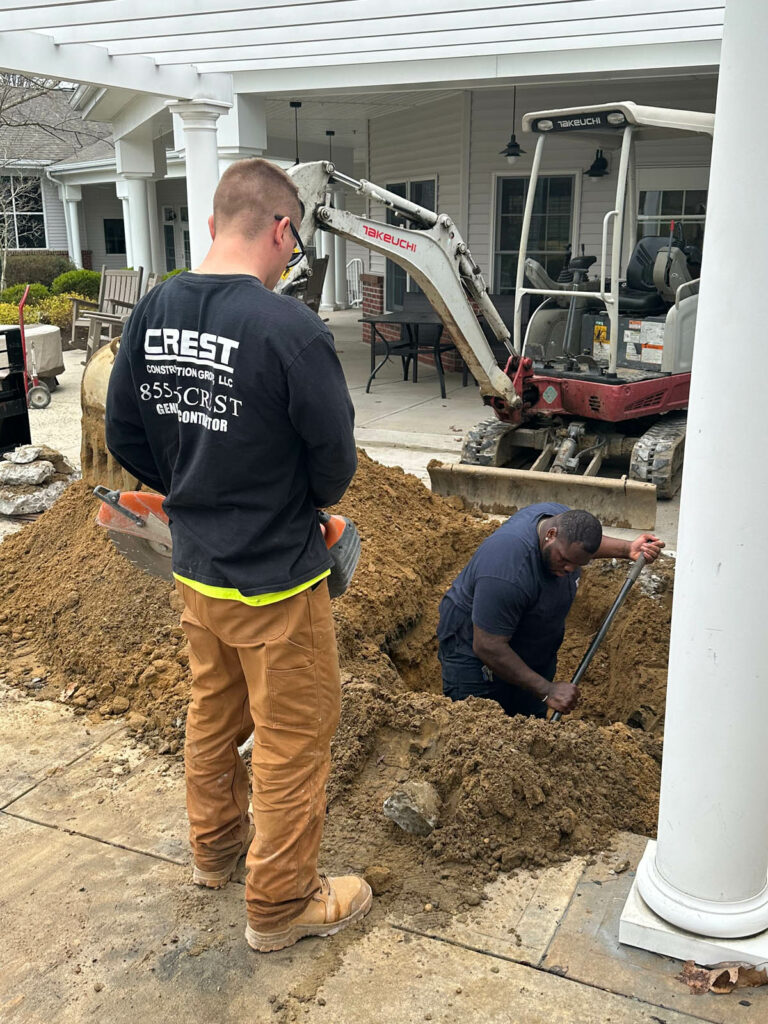
Tree roots are another possible cause in underground piping. Roots can enter through openings at damaged joints or cracks. Removing the obstruction may restore drainage, but the opening that allowed the roots inside may still require attention.
Then there are problems cleaning cannot correct. A collapsed section, displaced joint, or low area where wastewater collects may need repair. The point of inspecting a recurring blockage is to find out which situation you actually have before deciding what work makes sense.