Why did my drain clog again after it was snaked?
The snake may have opened a narrow path without removing everything attached to the pipe walls. The line may also have roots, damage, poor slope, or another obstruction farther downstream.
If the same drain keeps clogging, cleaning the visible opening may not be enough. Something farther inside the line could still be restricting flow. Crest Plumbing Recurring Clog Services in Barnegat help identify the cause and address the blockage.
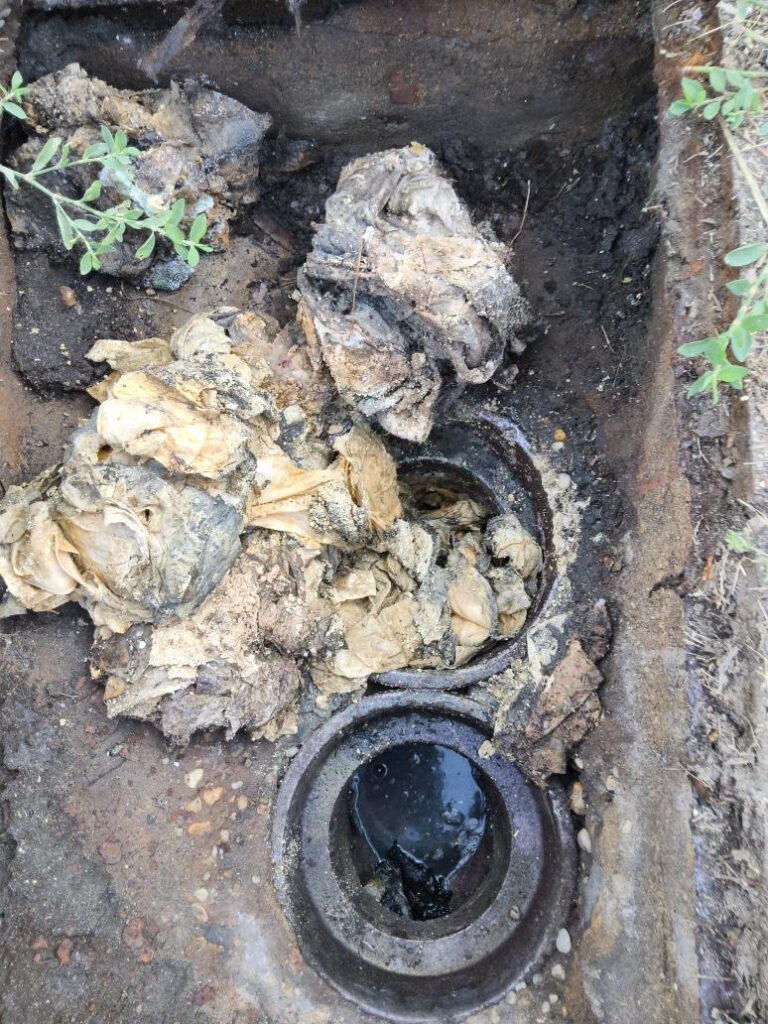
It may be grease stuck to the inside of a kitchen drain. It could be hair and soap buildup that was never completely removed. In some cases, the line has tree roots, corrosion, a poor connection, or a damaged section that catches waste every time water passes through it.
Crest Plumbing handles recurring drain clogs for homeowners and businesses in Barnegat and across Ocean County. We inspect the problem, clear the obstruction, and check whether there is a reason it keeps coming back. If the pipe needs more than cleaning, we explain what we found and what can be done about it.
For drain service, call Crest Plumbing at (877) 939-2122. Help is available 24 hours a day, seven days a week.
There is usually a simple reason a clog returns: some part of the original problem is still inside the pipe.
A small hand snake can create enough room for water to pass. That does not always mean the drain is clean. Grease, soap, sludge, and other material may still be attached to the pipe walls. New waste collects on that material, and the opening slowly closes again.
The location of the clog also matters. You may work on the sink drain when the real blockage is several feet farther down the branch line. If several fixtures are draining slowly, the trouble may be in the main sewer line rather than any individual sink or toilet.
Then there are problems that cleaning cannot correct. An older pipe may be corroded inside. Underground piping can shift as the surrounding soil moves. Roots can enter through a small crack or loose joint. A section of pipe may have the wrong slope, allowing waste and water to sit instead of draining properly.
This is why we look beyond the immediate blockage when a customer tells us the same problem has happened more than once.
Recurring clogs do not always start with a complete backup. The early signs can be easy to dismiss.
A sink might take a little longer to empty every week. The shower could leave water around your feet even though you recently cleaned the strainer. You may hear a toilet make a bubbling sound when the washing machine drains. Sometimes an unpleasant odor comes from a fixture that is rarely used.
One symptom may not tell us exactly where the problem is. Several symptoms together are more useful.
You may need the drain line inspected if:
If wastewater is coming into the building, stop using the affected plumbing when it is safe to do so. Continued water use can make the backup worse.
When we arrive, we need to understand what the drain has been doing. How long has it been slow? Has it been cleaned before? Which fixtures are affected? Did the problem begin suddenly, or has it become worse over time?
Those questions are useful. A kitchen sink that clogs every few months is different from a toilet that suddenly causes water to rise from a basement drain.
We then check the affected fixture and the nearby plumbing. If the obstruction is farther inside the system, professional drain equipment may be needed to reach it.
A video camera inspection can sometimes show us what is happening inside the pipe. The camera may reveal grease, roots, a damaged fitting, corrosion, standing water, or a section that has moved out of position. In a heavily blocked line, some cleaning may be required before the camera can pass through and provide a clear view.
The point of the inspection is not to add another service without a reason. It is to avoid repeating the same temporary fix when the pipe has a different problem.
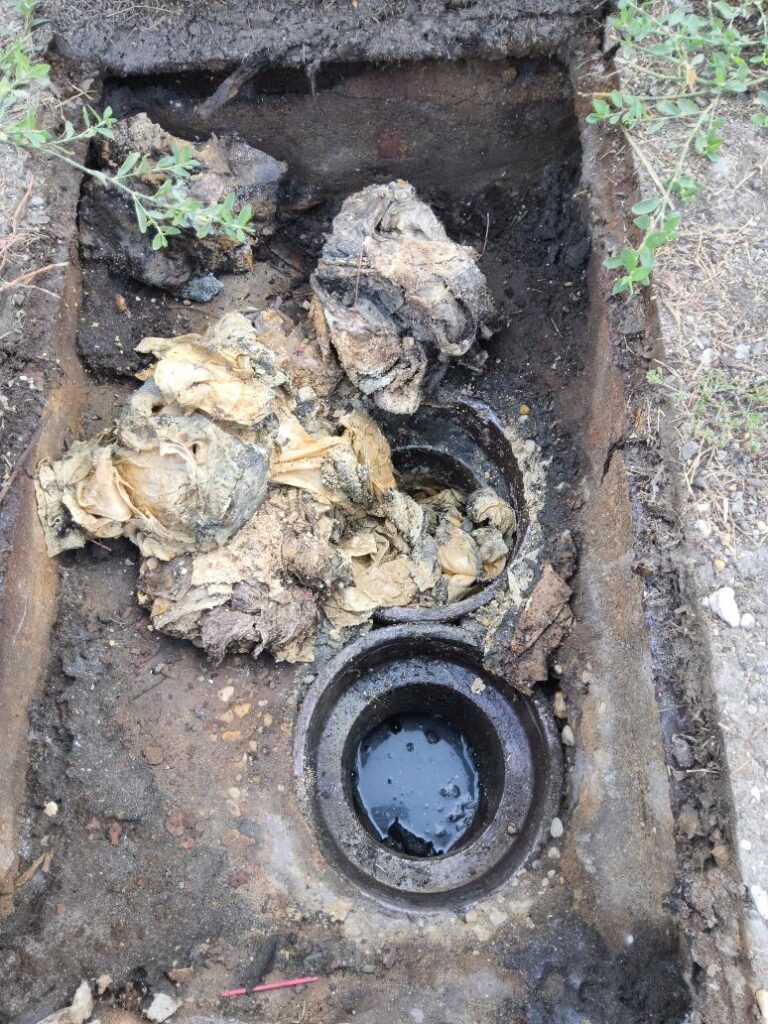
The cleaning method depends on the material inside the line and the condition of the pipe.
Professional snaking is often effective for hair, paper, and certain solid obstructions. The cable travels through the drain and breaks apart or retrieves the material blocking the line. It can be the right choice for a straightforward clog.
A drain with heavy buildup may need a more thorough cleaning. Hydro-jetting uses pressurized water to remove material from the inside walls of the pipe. It can clear grease, sludge, soap deposits, and other residue that a cable may pass through without fully removing.
Hydro-jetting is not appropriate for every pipe. A line that is badly weakened or broken should be assessed before high-pressure cleaning is used. We consider the age and visible condition of the plumbing before recommending it.
Once the drain is open, we check the flow again. If the symptoms suggest damage or another restriction, we discuss the next step with the property owner.
A damaged drain may work for a short time after it is cleaned. Then the clog returns because the damaged area continues catching waste.
This can happen when two pipe sections are no longer aligned. It can also happen when part of the line has cracked, settled, corroded, or partially collapsed. Roots entering an underground sewer pipe can be cut away, but they may grow back if the opening in the pipe remains.
In these situations, another cleaning may restore flow without correcting the reason for the failure.
Crest Plumbing provides drain pipe repair and replacement when the condition of the line calls for it. Some problems can be handled by repairing one section. More extensive deterioration may require a larger replacement. Certain underground lines may qualify for trenchless repair, depending on their condition and location.
We do not assume a recurring clog means the whole line needs to be replaced. That decision should come after the problem has been located and the pipe has been evaluated.
Kitchen drains collect more than water. Grease cools inside the line and attaches to the pipe. Food waste and detergent residue then collect in the same area. The drain may continue working, just more slowly, until the opening becomes too narrow.
Hot water does not guarantee that grease will leave the plumbing system. It can move the grease farther down the line, where it cools again.
Bathroom sinks, showers, and tubs usually collect hair, soap, toothpaste, body oils, and mineral deposits. Pulling hair from the drain opening may improve the flow while leaving a larger blockage farther down.
Toilet problems need to be looked at a little differently. A repeated toilet clog may be caused by too much paper or something caught inside the fixture. It could also involve a blocked branch line, a venting problem, or a restriction in the main sewer.
If one toilet is affected, the problem may be close to that fixture. If several toilets and drains begin acting up together, we look for a shared point in the system.
Avoid flushing wipes, paper towels, hygiene products, or household waste. A product may be sold as flushable and still have trouble breaking apart inside a real drainage system.
A main sewer clog affects the path used by several fixtures. This is why the symptoms may appear in different rooms.
You might flush a toilet and hear a nearby shower drain gurgle. Running the washing machine may cause water to rise from a floor drain. In a more advanced blockage, sewage can back up through the lowest fixture in the building.
Common causes include tree roots, wipes, heavy grease, broken piping, and years of buildup. The exact cause cannot be determined from the symptoms alone, but those symptoms help us decide where to begin.
A main sewer backup should be handled quickly. Limit water use until the line can be checked. Do not continue flushing toilets or running appliances to see whether the blockage clears on its own. Every gallon entering the system has to go somewhere.
Restaurants, offices, stores, warehouses, and other commercial buildings put different demands on their drains.
A restaurant kitchen may send grease and food particles through the system throughout the day. A busy restroom handles far more use than a bathroom in a single-family home. Floor drains can collect dirt, cleaning products, and debris from work areas.
When those drains clog repeatedly, the problem can affect employees, customers, sanitation, and normal business operations.
Crest Plumbing provides commercial drain cleaning, camera inspections, sewer service, pipe repair, and maintenance in Barnegat and nearby communities. For properties with a history of recurring blockages, scheduled cleaning may be more practical than waiting for another backup.
The schedule should match the building. A busy food-service property may need more frequent attention than a small office. We look at how the drains are used and how often previous problems have occurred before discussing maintenance.
There are some basic steps that can reduce buildup, although they cannot correct a damaged pipe.
Keep cooking grease and oil out of sinks. Use strainers where food, hair, or debris commonly enters a drain. Flush only toilet paper and human waste. Deal with a slow drain before it becomes completely blocked.
Chemical drain cleaners should be used carefully. They may not reach the full obstruction, and they can leave harsh chemicals inside the line. This creates an added risk when the drain is opened for service. Tell the plumber if a chemical product was recently poured into the fixture.
For commercial properties, employees should know what can and cannot enter floor drains, kitchen sinks, toilets, and grease-handling equipment. Small changes in daily use can make a noticeable difference when many people use the same system.
Crest Plumbing is located at 401 N Main Street in Barnegat, New Jersey. We provide residential and commercial plumbing service throughout Ocean County and along the Jersey Shore.
Our service area includes Barnegat, Waretown, Manahawkin, Stafford Township, Beach Haven, Toms River, Long Beach Island, Forked River, Little Egg Harbor, Ship Bottom, and Surf City.
If your town is not listed, call us with the service address and ask whether a plumber is available in your area.
The snake may have opened a narrow path without removing everything attached to the pipe walls. The line may also have roots, damage, poor slope, or another obstruction farther downstream.
A camera can show many problems inside an accessible pipe, including roots, cracks, corrosion, standing water, and displaced connections. A line may need to be cleaned first if the camera cannot pass through the blockage.
They serve different purposes. Snaking can break through or retrieve many blockages. Hydro-jetting removes buildup from more of the pipe’s interior. The right method depends on what is blocking the line and whether the pipe is in suitable condition.
Yes. Several slow drains can indicate a restriction in a shared branch or the main sewer line. It is better to inspect the problem before wastewater begins backing up inside the property.
They can. Removing the roots restores flow, but roots may enter again if a crack or failed connection is left open. The damaged section may eventually need repair.
Yes. Crest Plumbing works on residential and commercial drainage systems. We can also discuss preventive cleaning for commercial properties that experience frequent buildup.
Crest Plumbing is available 24/7 for urgent plumbing and sewer problems in Barnegat and the surrounding Ocean County service area.
You should not have to clear the same drain every few weeks without knowing why it keeps happening.
Crest Plumbing can inspect the affected line, remove the obstruction, and check for a condition that may be causing the problem to return. We work on household drains, commercial drainage systems, and main sewer lines throughout Barnegat and Ocean County.
Call (877) 939-2122 to request service. Crest Plumbing is available 24/7.
New Jersey License Number: 36BI00651200