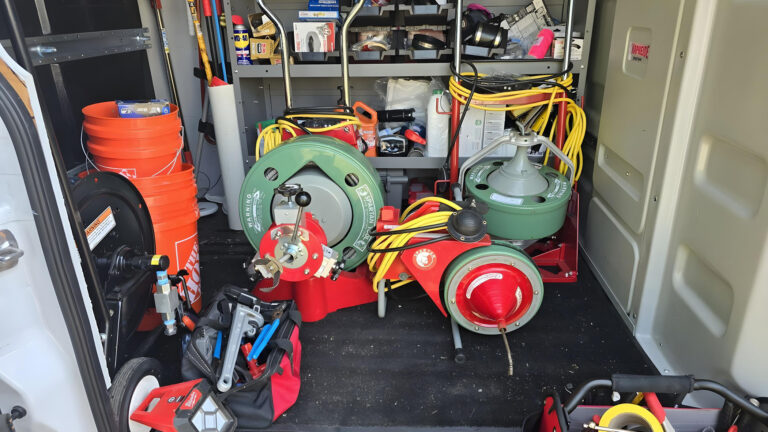
This guide provides you with step-by-step instructions on how to clean out shower drain, including the tools you’ll need, how to handle traps, and when to outsource the job. It reads as though a plumber is standing over a drain—straightforward, direct, and goal-oriented. The example of Crest Plumbing is used when professional assistance or equipment is required.
Quick checklist if you want the fast version
- Remove the drain cover.
- Pull out visible hair and gunk (gloves on).
- Use a drain snake for deeper clogs.
- Plunge if needed.
- Finish with hot water and a baking soda + vinegar flush if you want.
- If water still drains slowly, call a plumber.
If you follow those steps, most clogs clear. If not, read on for details, safety notes, and troubleshooting.
Why shower drains clog
Shower clogs form slowly. Such trappings as hair, soap, oil, and conditioner create a mat that retains more debris. Hard water minerals make the pipe rougher, which provides more space for the soap and oil to get attached to. The blockage is worsened by dirt, sand, and residue from the products.
There are generally numerous small items that make clogs rather than one large object. The process of clearing hair is not the same as the clearance of hair and hardened soap and mineral deposits.
Tools and supplies you’ll need
You don’t need fancy gear for most clogs. Gather this first:
- Rubber gloves (basic, heavy-duty).
- Flathead or Phillips screwdriver (for the drain cover).
- Flashlight.
- Drain snake (manual hand auger, 1/4″–3/8″ cable).
- Plunger (cup-style works for the shower).
- Wire coat hanger (straightened) or a small hook tool for surface hair.
- Bucket and old towels.
- Baking soda and white vinegar.
- Boiling water (be careful—see cautions).
- Trash bag for removed debris.
Optional but useful:
- Drain auger with longer cable if the clog is deeper.
- Drain camera inspection (uses a small camera on a cable to see inside the line).
- Hydro-jetting (professional; uses high-pressure water to clean pipe interiors).
Any kind of camera or hydro-jet should be something that the professional does. Crest Plumbing will be able to undertake camera checkups and hydro-jetting.
Preparation—safety and setup
- Put on gloves. This is gross work.
- Lay towels around the drain and keep a bucket handy. You’ll pull out debris; don’t let it drop on the floor.
- Turn off any electric devices near the shower. Water and electricity are a bad mix.
- If you have a removable pop-up or strainer, keep track of screws so they don’t fall into the drain.
- If you’ve used a chemical drain cleaner in the past 24–48 hours, do not reach into the drain without eye protection and gloves. Some chemicals remain active and can burn skin.
Step-by-step: How to Clean Out Shower Drain (detailed)
1. Remove the drain cover.
The majority of their covers screw or pop out. In case it is screwed, unscrew it and place the screws in a secure place. Should it pop out, loosen it with a square screwdriver. Bang-not, push-tile, or plastic covers are sometimes cracked with age.
Shine a flashlight into the drain. If you see hair or gunk within easy reach, start with Step 2.
2. Pull out visible hair and gunk.
Gloved fingers, a small hook tool, or a straightened coat hanger with a small hook is used. Tug balls and squeeze them into this garbage. Do NOT pour hair back to the drain.
Often this step fixes the problem entirely. Run hot water for a minute. If water flow returns to normal, you’re done. If it’s still slow, move to Step 3.
3. Use a drain snake (hand auger).
A drain snake is a tube that is a manual grabber. Insert it slowly. When the feeling of resistance comes, turn the handle and push a little bit more. Rotate, push, pull.
You could draw out a great hairball. Wash the snake, and then repeat the process until clean.
And when the snake strikes a solid resistance and will not move, push not. Cables can be kinked, or older clay or cast-iron pipes can be damaged by forcing. At this stage, think of a longer cable auger or call a plumber.
4. Try a plunger for stubborn clogs.
Use a cup‑style plunger. Form a proper seal around the drain. Put a smattering of water so as to be submerged in the cup. Strong, steady dipping—no thrashing—1530 seconds. Wipe, rinse, take, repeat.
Candide division of pressure and loosens softer clogs. It often works with a snake.
5. Baking soda and vinegar flush (maintenance or after mechanical clearing)
Add one cup of baking soda to the drain, then add one cup of white vinegar. The reaction of the mixture should be fizzy. It should rest between 15 and 30 minutes, and then the drain must be flushed with hot water. This is used to dissolve soap scum and other organic deposits; it is not intended to pull out hair, but it gets the pipes clean inside and makes them less likely to get clogged again.
6. Hot water flush
Turn on the burner and boil water till it boils and pour it slowly in a portion at a time in the drain. Provide some time between pours. Soaps and oils are dissolved in hot water, and this cleanses loose debris. Be careful of PVC pipes; an excessive supply of hot water at a time may make the joints soften. Not knowing your material of pipes, use very hot tap water rather than a full boil.
7. Reinstall the drain cover and test.
Replace the drain cover. Take a long shower, and watch water run. Assuming that it empties itself under normal circumstances, you are complete. In case it remains slow or is slowing down, refer to the troubleshooting section below.
What to do if the clog isn’t near the shower
When plunging, snaking, and a baking-soda flush are useless, the obstruction could be in a further region, in the primary waste or the sewer line of the edifice. Share these symptoms of a deeper issue:
- Multiple fixtures in the house drain slowly or back up.
- Water backs up into other drains when the shower runs.
- Strong sewer or rotten-egg odors from drains.
- Gurgling noises from other fixtures.
These symptoms are generally an indicator that you are not DIY anymore. It will need special equipment for a sewer-line obstruction, in which case, long augers will be used, as well as camera inspections, and also, there might be hydro-jetting. Contact Crest Plumbing or different licensed plumbers.
Common mistakes to avoid
- Pouring chemical drain cleaners down the shower as a first step. They can corrode pipes and are often ineffective on hair clogs. Also, if you later decide a plumber must work on the line, residual chemicals can be hazardous for them.
- Using the wrong type of snake. Rigid tools can damage older cast-iron or clay lines. Use a flexible cable designed for household drains.
- Pushing the clog deeper by poking blindly. If you can’t feel a grab on the snake, don’t keep forcing it.
- Ignoring warning signs. Slow draining that keeps returning will only get worse and can lead to pipe damage or sewage backup.
- Assuming hot water will solve all clogs. It helps with soap and oils, not hair masses.
When to call a professional plumber
Call a licensed plumber when any of the following are true:
- The clog returns within a few days after clearing.
- Multiple drains are impacted.
- Water backs up into other fixtures.
- There are strong sewer odors in the house.
- You’ve tried mechanical methods, and the clog holds.
- You don’t feel comfortable working on plumbing or accessing the drain components.
Professional plumbers come with augers that are long-reach, motorized drain machines, inspection cameras, and hydro-jetting tools. They locate the obstruction and clear the pipe without damaging the pipes. Crest Plumbing offers a complete range of drain cleaning services, camera inspection, and hydro-jetting services on blocked-up drains.
Preventive maintenance (do this to avoid clogs)
Preventing clogs is easy and cheap compared to clearing them.
- Use a hair catcher or drain screen. Clean it after every shower.
- Wipe the shower floor before rinsing to remove loose hair and debris.
- Once a week, flush with hot water. This helps move soap buildup and oils.
- Every month or two, pull the drain cover and remove visible hair.
- Every 6–12 months consider a baking soda and vinegar flush.
- If your home has hard water, consider a water softener to reduce mineral buildup.
Small habits prevent most clogs. A hair catcher alone eliminates the main cause.
Dealing with special cases
Tile shower with fixed drain cover or tile floor
Other shower covers are difficult to take off or are fitted with strainers. Use a screwdriver gently. In case of a caulk-sealed cover, do not pry—tiles crack. Rather, use a small drain snake that fits the slots of the grates, or call a plumber.
Pop-up drains
One may have pop-outs that tend to trap hair just around the pivot rod. Dislodge the stopper assembly according to the instructions of the manufacturer and wash it.
Older homes with cast-iron pipes
Cast-iron and clay pipes may have a decades-long accumulation and may be brittle. Do not operate power cable machines unless under the direction of a professional. Invoke a plumber, who will be able to check the line and choose the right way.
Apartments and shared plumbing
In case multiple units are on the same drainage or sewer, the obstruction may be exogenous to your unit. Arrange building maintenance or invite an expert. Chemical treatments should not be constantly repeated—they may harm neighbors and even damage common infrastructure.
Eco-friendly options
Baking soda and vinegar, manual snaking, and hot-water flush cleaning are greener and cheaper than the vicious chemical cleaning products, and they are also less liable to damage the pipes. In maintenance, universal exercises and natural procedures are sufficient. Last resort chemicals should be saved for last, and they should never be mixed up.
Cost considerations
Complete materials used in DIY are almost pocket friendly: a plunge stick and a snaking tool are not pocket friendly. Professional fees vary depending on the region and its severity. An average in-house auger cleaning is less expensive compared to a camera inspection and a hydro-jetting service. Hydro-jetting is also more expensive and longer lasting since it cleans the walls of the pipes well. lines which are highly scaled or rooted increase in price.
To have a correct estimation, dial Crest Plumbing. Using remote access, they are able to access your conditions or send in a technician.
FAQ—Practical answers
Q: Will vinegar and baking soda remove hair?
A: No. That mixture helps dissolve residue but won’t cut through a hairball. Use a snake for hair.
Q: How often should I clean my shower drain?
A: For average households, check and clear hair every 1–2 months. More frequent cleaning for busy households.
Q: Is it safe to use chemical drain cleaners?
A: Generally no. They can corrode pipes and create harmful fumes. They’re also poor against hair clogs. Use mechanical methods first.
Q: My shower drain smells like sewage after cleaning. Why?
A: That can happen when a partial clog traps organic matter near the trap. Clean the trap area and flush with hot water, and if the smell persists, get a camera inspection.
Q: Can I use a wire coat hanger?
A: Yes, for pulling surface hair. Be careful not to push the clog deeper. A small hook on the end works best.
Q: Plunger or snake—which first?
A: If the clog is near the surface, use a snake first. If the clog seems deeper and you can seal with a plunger, try plunging. Often both together work well.
Q: What does hydro-jetting do?
A:A: Hydro-jetting uses high-pressure water to strip grease, soap, and mineral buildup from pipe walls. It’s typically performed by professionals.
Troubleshooting: common scenarios and fixes
- Slow drain after cleaning: Run a snake deeper. Try a baking soda and vinegar flush, then hot water. If it is still slow, schedule a camera inspection.
- Drain clears but clogs again quickly: Likely hair is continuing to enter the drain. Install or replace a hair catcher and develop a routine to clear it.
- Water backing into the tub from another drain: This suggests a shared line blockage. Call a pro.
- Plumbing sounds like gurgling: That indicates partial blockage or venting issues. Professional diagnosis is required if it continues.
Final notes and professional help
One generally does not have a hard time cleaning a shower drain on their own. The majority of clogs comprise hair and soap scum; a snake and light servicing maintain the flow. But complex or chronic issues, nevertheless, demand professional equipment and skills. Crest Plumbing provides camera inspections, motorized augering, and hydro-jetting services in case you live in Ocean County, New Jersey, or any nearby area and require a certified technician to inspect or clear your lines. They may also recommend further maintenance on the plumbing of your home on a long-term basis.
Under these steps, remove the cover, pull out hair, snake, plunge, and flush, and you will clear most clogs. Keep these practices and spend less time and maximize time saved. When the blockage continues, do not continue forcibly using tools, but get a plumber before matters get out of control.