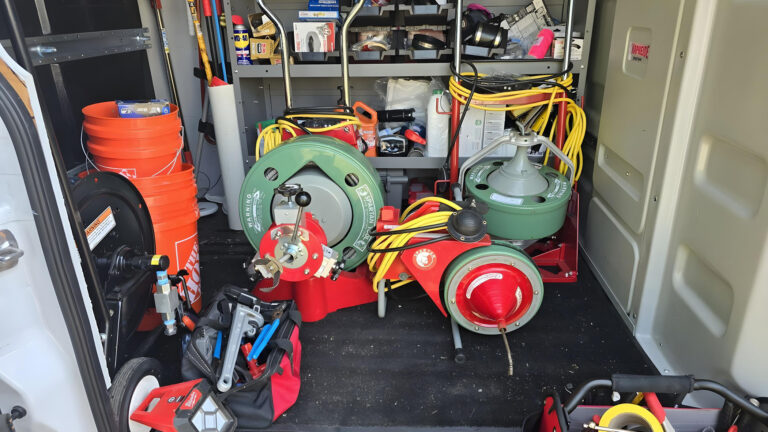
If you need Residential Plumbing Repair in Little Egg Harbor, here’s exactly what to expect, what to do now, and how professionals handle the most common problems. No fluff. Start here if you have a leak, slow drain, water heater trouble, or you’re trying to decide whether to repair or replace a failing fixture.
Fast triage: immediate steps for homeowners
- Locate and shut off the main water valve if you have a major leak. Turning this off reduces damage immediately.
- If water is near electrical outlets or appliances, cut power at the breaker for the affected area—water and electricity are dangerous.
- For active sewage backup, avoid using fixtures and keep pets and people away from contaminated water. Call a plumber and your insurer.
- For burst or frozen pipes: shut off water and open nearby faucets to relieve pressure. Apply heat to frozen sections if safe and accessible. Don’t use open flames.
- Capture photos or videos of visible damage for insurance and for the plumber to review before arrival.
Those five actions buy time and clarity. Most homeowners who follow them limit damage and speed repairs.
Common residential problems—how to recognize them and what they actually mean
Leaky faucets and running toilets
Signs: constant drip, higher water bill, or toilet that keeps refilling.
Why it happens: worn seals and flapper valves, mineral buildup, or a failing fill mechanism.
Why it matters: small leaks waste water and can cause staining, mold, and higher bills if ignored.
Professional fix: replace cartridges/seals or flappers; if the valve is corroded, replace the fixture. A pro will test valves and show you the failed part so you don’t pay for unnecessary replacements.
Slow drains and recurring clogs
Signs: sinks or tubs that drain slowly, gurgling sounds, water backing up from other fixtures.
Likely causes: hair, grease, soap buildup, or deeper obstructions in the trap or sewer line. Tree roots and collapsed pipe segments cause repeat clogs.
What to try first: mechanical plunging and a hand auger for sink traps. Avoid chemical drain cleaners—they damage pipes and worsen some blockages.
When to call a pro: if plunging doesn’t clear the drain, if multiple drains are affected, or if backups smell like sewage. A plumber will camera-inspect the line and use proper snakes or hydro-jetting.
Sewer backups and foul sewer smell
Signs: sewage odors from basement drains, toilets that back up when washing machines run, and gurgling toilets.
Why it happens: clogged sewer main, tree root intrusion, collapsed pipe, or municipal main issues.
Immediate homeowner step: stop using water. Call a professional for camera inspection and safe cleanup. If you have flood insurance or homeowner’s insurance covering sewage, document everything and begin a claim.
Burst pipes and frozen lines
Signs: sudden rush of water, visible pipe split, or a spike in water usage. In cold weather, frozen pipes often bulge or make cracking sounds
Immediate step: shut off main water and drain exposed lines by opening faucets. For a burst, remove valuables and start drying the area.
Repair options: a temporary clamp or wrap for a quick stopgap, but full replacement of damaged sections is the permanent fix. Pro tip: replace older galvanized pipes proactively if you’re seeing frequent failures.
Water heater failure (no hot water, leaks, odd noises)
Signs: no hot water, scalding or cold spots, rusty water, or a continuous leak at the base. Rumbling noises indicate sediment buildup.
Likely causes: failed heating element, thermocouple, pressure relief valve, or tank corrosion.
Fix vs. replace: electric or gas elements can be replaced; tank leaks or severe corrosion mean replacement. Tankless units have different failure modes—scaling and electronic controls.
Low water pressure
Signs: weak shower, slow-filling appliances, or poor flow at multiple fixtures.
Common causes: clogged aerators, partial pipe blockages, failing pressure regulator, or municipal supply issues. Corrosion in old pipes reduces internal diameter.
Diagnostics: measure pressure at an exterior spigot; if it’s low there too, contact the water supplier. Otherwise, a plumber will test regulators and check for hidden leaks.
Sump pump failure and basement flooding
Signs: the pump won’t run, pump runs continuously, or standing water in the sump.
Why it matters: failed sump pumps lead to basement flooding and long-term mold and structural problems.
Prevention: test sump pumps before storm season, install battery backup, and clear the discharge line of obstructions.
How a professional repair visit actually goes—no surprises
When a licensed plumber arrives for residential plumbing repair, expect a predictable, safety-first process:
- Identification and PPE: the technician shows ID, wears protective gear, and explains COVID or safety protocols if requested.
- Quick fact-gathering: they’ll ask what you’ve observed, when it started, and whether anything else is affected. Photos you took ahead help.
- Visual inspection: check the area, visible piping, appliances, and fixtures. For drains and sewers, they’ll often use a camera.
- Diagnostic tests: pressure tests, dye tests for toilet leaks, or thermal scans for hidden leaks. These cost a little but avoid wasted repairs.
- Clear estimate: you should get a written estimate with parts, labor, and repair options. Good plumbers explain repair vs replace and give expected timeframes.
- Repair and verify: they complete the repair, clean the workspace, and run a post-repair test showing the problem is resolved.
- Warranty and documentation: most reputable companies include limited warranties on parts and labor; keep the invoice for insurance or resale.
If a company sends a tech who wants to replace a whole system without demonstrating smaller fixes first, ask for the diagnostics and second opinions. Ethical professionals show you the failure and explain trade-offs.
Emergency repairs vs scheduled maintenance—when to call and why
Emergency plumbing calls are for events that will cause immediate damage, health risk, or major service interruption. Examples:
- Active major leaks flooding living spaces.
- Sewage backup affecting living areas.
- No hot water in winter if you rely on hydronic heat.
- Burst pipes spraying water.
If you have any of the above, shut off water and call an emergency plumber immediately. For smaller problems—a dripping faucet, an occasional slow drain, or a pilot light that won’t stay lit—schedule a standard repair. Those can be handled during business hours and are often cheaper.
Preventive maintenance avoids emergencies. Typical maintenance that pays off:
- Annual water heater flush and inspection.
- Periodic sewer camera scans for older homes.
- Sump pump testing and battery backup checks.
- Seasonal winterizing for exposed lines.
Signing up for a maintenance plan usually gives priority scheduling, discounted emergency rates, and a record of professional upkeep that helps when selling a house.
Diagnostic tools and why they matter
Good diagnostics prevent wasted labor and part replacements.
- Video sewer inspection (camera): shows root intrusion, collapsed pipe, scale buildup, and exact blockage location. Saves guesswork.
- Hydro-jetting: used after camera confirmation; it clears grease, roots, and heavy buildup without digging up lines. Not always suitable for older, fragile pipes.
- Acoustic and electronic leak detection: finds buried leaks without unnecessary wall or slab demolition. Useful for hidden slab leaks.
- Thermal imaging: detects temperature differences from leaking hot water lines behind walls.
- Pressure gauges and flow meters: test system performance and help locate low-pressure causes.
Proper tools plus experience reduce repair time and long-term costs. If a plumber skips diagnostics and only recommends “replace everything,” be cautious.
Pricing, estimates, and how to avoid surprises
Residential plumbing repair pricing varies by job type, parts required, and access difficulty. Typical structure is one of these:
- Flat-fee fixes, like replacing a faucet or toilet, have a price set in advance.
- Hourly labor plus parts: used for complex repairs or unknown conditions.
- Service call fee + labor: common for emergency or after-hours visits.
How to get a reliable estimate:
- Request a written estimate that lists labor, parts, and any disposal or permit fees.
- Ask what could change the price and under what circumstances.
- For larger jobs, get two estimates — but not from unlicensed contractors offering low bids. Licensing protects you.
- Ask about warranties and included follow-up services.
Financing: some companies offer payment plans or third-party financing for larger replacements. If you expect an insurance claim for water damage, get documentation and discuss this with the plumber—many will work with insurers or provide the necessary reports.
Permits, codes, and insurance—what homeowners need to know
Plumbing work that affects the structure, sanitary systems, or gas lines often requires permits and must meet local code. Why this matters:
- Permits ensure inspections and verify the work meets safety standards.
- Unpermitted work can complicate home sales and insurance claims.
- Licensed plumbers pull permits and coordinate inspections.
If you have water damage from a plumbing failure, document everything (photos, invoices, technician notes) and contact your insurer early. For suspected slab leaks or sewer backups, insurers often require professional verification before approving mold or structural remediation claims.
Preventive maintenance checklist—do these regularly
Monthly/quarterly:
- Run all seldom-used fixtures to prevent traps from drying.
- Check visible pipes for new drips or corrosion.
- Test the sump pump by pouring water into the pit until it runs.
Seasonally:
- Winter: insulate exposed pipes, disconnect exterior hoses, and open cabinets under sinks on cold nights to allow warm air circulation.
- Spring (after storms): inspect gutters and downspouts; ensure discharge from sump pump directs water away from foundation.
Annually:
- Flush the water heater to remove sediment.
- Check the pressure relief valve on the water heater.
- Have a pro camera inspect the sewer line if your home is older or you’ve had tree work done near the line.
- Test backflow preventers if you have irrigation systems.
Preventive steps are cheaper than emergency repairs and reduce the chance of mold and structural damage.
Choosing the right contractor—what to verify before hiring
Before you commit to a contractor for residential plumbing repair, check:
- License and insurance: always verify. Ask for the license number and insurance certificate.
- Local references and reviews: look for recent jobs nearby.
- Clear estimates and scope: avoid vague scopes. Get the expected start date, duration, and what remains the homeowner’s responsibility.
- Warranty and follow-up: ask what’s covered and for how long.
- Professionalism and communication: you want a tech who explains findings and shows failed parts.
If you’d like a second opinion on a big recommendation (like replacing a sewer line), ask for the diagnostic report (camera footage or test results) and consider a second licensed plumber’s estimate.
Common homeowner questions—short answers
Q: How fast can a plumber arrive for an emergency?
A: Response time depends on availability and time of day. Reputable local companies prioritize true emergencies and will give an ETA.
Q: Can I clear a tough clog myself?
A: For minor sink clogs, a plunger or hand auger can work. If plunging fails, stop and call a pro—persistent force can push the clog deeper or damage the trap.
Q: Should I replace galvanized pipes?
A: If you have recurring clogs, low pressure, or visible corrosion, replacing galvanized may be wise. Modern materials last longer and resist corrosion.
Q: Is chemical drain cleaner safe?
A: No. Chemical cleaners can damage pipes and are hazardous to handle. They also make professional repairs more difficult.
Q: Do I need to turn off my water when leaving for vacation?
A: For longer trips, shutting off the main reduces the risk of unnoticed leaks. If you do, drain the system and leave heat on in cold weather.
Two brief case examples (anonymized)
Case 1 — recurring basement backups: homeowner had periodic backups after heavy rain. Camera inspection showed root intrusion and a partial collapse in the lateral sewer line. Solution: trenchless pipe lining for the affected segment, hydro-jetting to clear residual roots, and a follow-up warranty. Result: no backups in 18 months.
Case 2 — frozen exterior line in winter: a frozen supply to an exterior hose spigot caused a split in the near-slab copper. Emergency shutoff and temporary clamp limited water loss. Permanent fix replaced the damaged run with PEX routed through an insulated interior chase. Preventive note: insulated and heat-taped exposed lines would have prevented this.
Why local expertise matters
Little Egg Harbor homes vary — older shore cottages, newer subdivisions, and houses with slab foundations. Local plumbers know:
- which neighborhoods have older clay or cast-iron sewer mains.
- seasonal risks like freeze-thaw or storm surge impacts on sewer grade.
- local permit requirements and inspection timelines.
Choosing a local, licensed contractor reduces surprises and speeds response times during emergencies.
How Crest Plumbing approaches residential repairs
When you call Crest Plumbing, expect:
- a prompt intake to prioritize emergencies, verify location, and get photos if available.
- licensed technicians who perform diagnostics before recommending major replacements.
- clear, written estimates and explanations of repair options.
- service warranties on work performed, and a commitment to clean, safe work areas.
If you want a maintenance plan, Crest Plumbing can schedule seasonal checks and priority service for enrolled homes.
Final checklist before you call for service
- Have the exact address and a short description of the problem.
- Note the shut-off valve location and whether it’s accessible.
- Take photos of visible leaks, damaged fixtures, and any meter readings.
- If you suspect sewer backup or contamination, note whether insurance will be involved.
- Keep pets and children away from affected areas until the technician arrives.
Clear call to action
If you’re dealing with a leak, sewage smell, burst pipe, or unreliable hot water in Little Egg Harbor, call a licensed residential plumbing repair service right away. For a professional diagnostic, transparent estimate, and reliable repair from a local team, Contact Crest Plumbing by phone or through their online booking to schedule same-day or emergency service.