Let’s be real—nobody thinks about the kitchen sink or bathroom drain until the water starts backing up and suddenly it’s an emergency. That’s usually the moment people realize how important sewer and drain services really are. Then what do we do? We panic and fall back on a random collection of “life hacks” we’ve gathered over the years: something your mom always did, a tip you half-remember from a YouTube video five years ago, or whatever sounds logical in the moment.
The kicker? A shocking amount of that stuff is completely wrong. And honestly… some of the habits we keep repeating because ‘it’s always worked’ are the exact reason the pipes are clogged and furious in the first place. Look, drains and sewers are basically the unsung heroes of every home. They just sit there quietly doing their gross but super-important job day after day… and honestly, most of us forget they even exist.
Until one day the sink won’t drain, there’s a weird rotten-egg smell creeping up, or worst of all, you get that eye-watering repair bill that hits like a gut punch. The wild part? So many of the ‘common knowledge’ ideas floating around about how these systems work are just straight-up myths. They’re not cute little misunderstandings — they actually cause real problems. People miss obvious red flags, pour in the wrong chemicals or ‘miracle’ products, and make choices that turn a small issue into a nightmare that’s way more expensive (and messy) to fix than it ever needed to be.
So let’s clear the air — and the pipes.
Are Chemical Drain Cleaners Safe to Use Regularly?
This is one of the very few myths surrounding taking care of drains. Honestly, plumbing experts has been constantly and gently trying to set the record straight for years.
While grocery shopping, you spot those drain cleaner bottle with bright, bold texts promising you to clear up any clogs or gunk in your drain. Undoubtedly, it’s easy to be convinced and swayed with this quick, affordable, and hassle-free fix when you have a sluggish and slow-running drain. Who wouldn’t it, right?
Here’s the part the shiny label skips: those chemical cleaners work by creating a really intense, heat-generating reaction that’s strong enough to eat through organic gunk, but it doesn’t stop there. That same caustic power can quietly attack your pipes too. In older homes with aging metal or PVC lines, using them regularly speeds up corrosion, weakens connections, and sets the stage for leaks or full-on pipe failure down the road. Even in newer systems, they’re not risk-free — and if the clog doesn’t fully clear, you’re left with a nasty, concentrated puddle of corrosive stuff just sitting in there, slowly doing damage.
On top of the pipe risks, there’s the splash-back hazard which are harmful to your skin or eyes, plus the bigger picture: all those chemicals eventually head into our wastewater and aren’t great for the environment.
For light buildup, a gentler option like the classic baking soda + vinegar combo often does the trick safely and effectively. And for anything stubborn or recurring? Reaching out to a professional drain and sewer service provider is the smartest choice you can do as they have the right tools to clear or fix things properly without the guesswork or long-term headaches. The quick convenience is tempting, but it’s rarely worth the potential repair bills or bigger problems later on.
Do Flushable Wipes Actually Break Down in the Sewer System?
This is probably that one stubborn myth plumbers would want to completely remove from existence. You’ve probably seen bunch of products particularly wipes that claim to be “Flushable”. Unfortunately, this is far from plumbing standard, but is in fact just a merely marketing term. It only means that the wipe will clear your toilet bowl and make it out of your immediate plumbing without clogging the trap. What it does not mean is that it will break down safely in your sewer line or at the municipal treatment facility.
Toilet paper is specifically designed to disintegrate rapidly when wet. Wipes — even the ones labeled flushable — are made with binding fibers that hold together under moisture. Drop a flushable wipe in a glass of water and check on it an hour later. It’ll look exactly the same. Then consider what happens when thousands of those wipes combine with cooking grease, hair, and other debris inside a sewer line. The result is what the industry calls a “fatberg” — massive, dense blockages that can cause serious sewer backups and require expensive professional intervention to clear.
The rule is simple: the only things that should go down a toilet are human waste and toilet paper. Everything else — wipes, paper towels, feminine hygiene products, cotton balls — belongs in the trash. No exceptions.
Does Running Hot Water While Using the Garbage Disposal Prevents Clogs?
This one is repeated so often that it’s practically become conventional wisdom. The idea is that hot water melts grease and keeps it flowing freely through the pipes. In reality, it does the opposite of what people think.
Hot water does liquefy grease — but only temporarily. Once that liquefied grease moves further down the pipe where the water cools, it solidifies again and starts sticking to the pipe walls. Over time, layer builds on layer, and what started as a thin coating becomes a significant restriction in your drain line. The same applies to cooking oils that people rinse down the kitchen sink — liquid going in doesn’t mean liquid coming out the other end.
Cold water is actually better when running the disposal, because it keeps fats and oils in a solid state that can be more easily chopped up and carried through the system. And the better rule overall is to keep grease and oil out of the drain entirely. Let it cool, pour it into a container, and throw it in the trash. Your pipes will last significantly longer.
Do Tree Roots Only Affect Old or Damaged Sewer Lines?
A lot of homeowners assume that if their plumbing is relatively new or in good condition, tree roots aren’t their problem. This is a dangerous assumption. Tree roots are opportunistic — they grow toward moisture, and your sewer line is essentially a continuous source of it. Even the tiniest crack, a slightly loose joint, or a microscopic gap at a connection point is enough for a fine root tendril to find its way in.
Once inside, roots don’t just sit there politely. They grow, they branch, and they expand. What starts as a hairline intrusion can become a full obstruction within a few years. And the trees responsible don’t have to be directly over the line — roots can travel remarkable distances horizontally in search of water.
This is exactly why routine sewer camera inspections are worth doing even when nothing seems wrong. If roots are in the early stages of intrusion, they can be cleared and the entry point addressed before major damage occurs. By the time you’re experiencing backups and slow drains, the root system may already be extensive enough to require pipe repair or replacement.
Is a Slow Drain Just a Minor Inconvenience?
Many people treat a slow drain the way they treat a slightly squeaky door — mildly annoying, easy to live with, low on the priority list. That mindset tends to shift dramatically when the drain stops moving entirely, or worse, when sewage backs up into the tub.
A slow drain is your plumbing system’s way of telling you something is building up inside the pipe. It might be hair and soap scum. It might be grease. It might be early-stage root intrusion. The specific cause matters less than the fact that it’s a warning sign — and warning signs that get ignored tend to become emergencies.
Addressing a slow drain early is almost always cheaper and less disruptive than waiting. Professional sewer and drain services can identify the cause quickly and clear it before it becomes a full obstruction or causes water damage.
Does a Clean-Smelling Bathroom Mean Your Drains Are Healthy?
This one trips people up because it seems logical — if it smells fine, it must be fine. But odor is just one signal among many, and the absence of a smell doesn’t tell you much about what’s happening inside your pipes. Biofilm, grease buildup, root intrusion, and partial clogs can all exist without producing any noticeable odor until they’ve progressed significantly.
Similarly, water that drains at a normal speed doesn’t guarantee the pipe is clear. A partial blockage can develop over months and still allow water to pass through at a mostly normal rate — right up until it doesn’t.
The only way to know what’s actually going on inside a sewer or drain line is to look. Camera inspection technology has made this faster and less invasive than ever, and it’s a routine part of what any good sewer and drain service provider will offer.
Where Do I Find Reliable Sewer and Drain Services Near Me in Barnegat, NJ?
If you’ve been searching for sewer and drain near me in the Barnegat area and aren’t sure who to trust, the answer matters more than it might seem. Drain and sewer work done wrong — or done by someone without the right equipment — can turn a manageable problem into a much larger one. What you need is a team that uses camera inspection as a standard diagnostic tool, not a guessing game approach, and that has the experience to correctly interpret what they’re seeing.
That combination of tools, training, and honesty is what separates a plumber who fixes a problem from one who patches it temporarily.
Why Choose Crest Plumbing for Your Sewer, Drain, and Plumbing Needs?
For homeowners and businesses in Barnegat and across Ocean County who need plumbing done the right way, there’s only one to trust: Crest Plumbing.
With a rock-solid reputation in the Ocean County region, we are a fully licensed and insured team, allowing us to gain the trust of our clients the old-fashioned way. We have an upfront, knowledgeable, and trustworthy team that ensures every work done will actually lasts.
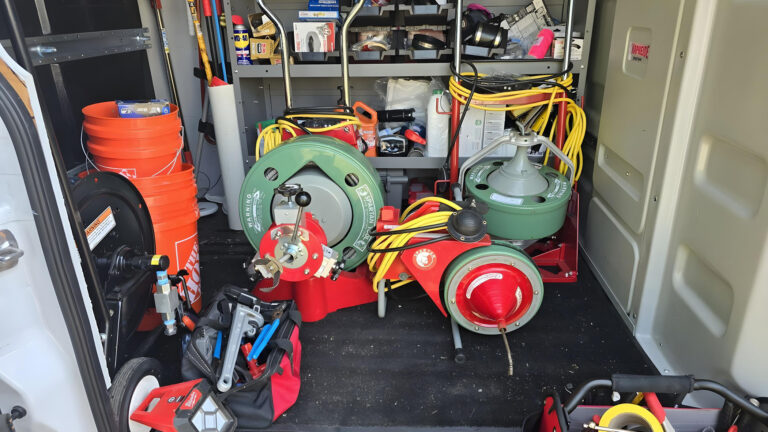
Whether it’s a sneaky clog, a full sewer line issue, or just wanting to know what’s really going on down there, our sewer and drain services cover it all. We use high-tech camera inspections so there’s no guessing, plus tools like electric snakes, hydro-jetters, and vac trucks to tackle anything — from a quick fix to a complete pipe replacement or new installation. No shortcuts, no surprises.
We are also the go-to for water heaters: installation, repairs, routine maintenance, plus all your everyday residential and commercial plumbing needs. And because plumbing emergencies never check the clock, our 24/7 emergency line means help is just a call away. No waiting for Monday morning.
We proudly serve Barnegat and nearby spots like Waretown, Manahawkin, Toms River, Long Beach Island, Forked River, Little Egg Harbor, Ship Bottom, Surf City, and more.
Don’t let a little myth or old DIY tip turn a small hassle into a big, expensive headache. Reach out for a free quote or talk straight to a licensed pro — just call Crest Plumbing at (877) 939-2122 or head over to crest247.com. The call costs nothing, we offer honest advice and the relief of knowing your home’s plumbing is actually in great hands? That’s priceless.
They serve Barnegat and communities across Ocean County including Waretown, Manahawkin, Toms River, Long Beach Island, Forked River, Little Egg Harbor, Ship Bottom, and Surf City.
Don’t let a myth or a misconception turn a small problem into an expensive one. Request a free quote or speak directly with a fully licensed and insured plumber in Barnegat, NJ by calling Crest Plumbing at (877) 939-2122 or visiting Crest Plumbing, LLC The call is free. The expertise is real. And the peace of mind that comes with knowing your drains and sewer line are actually in good shape? That’s worth everything.
Crest Plumbing — Serving Barnegat, NJ and all of Ocean County. Residential, commercial, sewer and drain, and 24/7 emergency plumbing. Available when you need us.