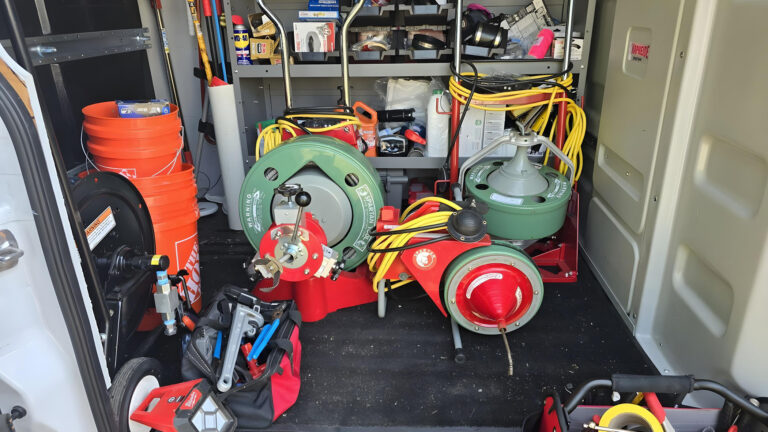
Sewer line problems are one of the most disruptive plumbing issues a homeowner can face. When the main sewer line becomes damaged or blocked, wastewater can no longer leave the property the way it should. Drains begin to slow down, toilets stop flushing properly, and in more serious situations sewage may back up into sinks, bathtubs, or basement drains.
Homeowners searching for sewer line repair Toms River NJ services are often already experiencing one of these warning signs. Unfortunately, sewer line issues rarely resolve on their own. They typically start small and gradually worsen until the system eventually fails.
This article explains how sewer lines fail, the warning signs homeowners should watch for, how professionals diagnose the problem, and the repair methods commonly used in homes throughout Toms River and Ocean County.
If you suspect a sewer issue in your home, Crest Plumbing provides professional sewer inspection and repair services throughout Toms River and surrounding areas.
Understanding How Residential Sewer Lines Work
Before discussing repair methods, it helps to understand how the sewer system functions inside a residential property.
Every home has a main sewer line that connects all plumbing fixtures inside the house to the municipal sewer system or septic tank. Water from toilets, sinks, showers, washing machines, and floor drains all travels through this pipe.
The sewer line typically runs underground from the foundation of the home to the street connection or septic system. In many homes around Toms River, these pipes are buried several feet below ground.
Most residential sewer lines are made from one of the following materials:
- PVC plastic pipe (common in newer homes)
- Cast iron (commonly used before the 1980s)
- Clay tile pipe (found in older properties)
- Orangeburg pipe (used in the mid-20th century but now outdated)
Each material has its own weaknesses. Over time, soil movement, tree roots, corrosion, or simple aging can cause these pipes to crack, collapse, or become blocked.
Once this occurs, professional sewer line repair becomes necessary to restore proper drainage.
Common Causes of Sewer Line Damage in Toms River
Sewer pipes rarely fail overnight. Most problems develop gradually over many years.
Several conditions common in Ocean County contribute to sewer pipe damage.
Tree Root Intrusion
Tree roots are one of the leading causes of sewer line damage. Roots naturally grow toward moisture, and sewer pipes often provide a constant water source.
Even a small crack in a pipe can allow roots to enter. Once inside, they expand and trap debris such as grease, toilet paper, and waste. Over time, the pipe may become completely blocked.
Many older neighborhoods in Toms River have mature trees with extensive root systems, making homes built decades ago particularly vulnerable.
Pipe Corrosion and Aging
Cast iron sewer pipes slowly corrode over time. The inside surface begins to rust and deteriorate, creating rough areas that trap waste.
Eventually, the pipe walls become thin and weak. Cracks form, and sections may collapse entirely.
Most cast iron sewer lines last 40 to 60 years, meaning many homes in the Toms River area are now reaching the stage where replacement or repair may be necessary.
Ground Movement and Soil Shifting
Soil conditions change due to rainfall, freezing temperatures, and nearby construction.
When the soil shifts, underground pipes can also move. This movement places stress on pipe joints and connections. Over time these joints may separate, allowing leaks or blockages to develop.
This problem is especially common in coastal regions where soil composition varies.
Grease and Debris Buildup
Kitchen grease is another common contributor to sewer blockages.
Grease poured down a sink may appear harmless, but once it cools inside the pipe, it hardens and sticks to the pipe walls. Over months or years the buildup becomes thick enough to restrict water flow.
Grease blockages occur in both residential homes and commercial kitchens.
Poor Installation or Pipe Misalignment
Some sewer problems originate during the original installation of the pipe.
If the pipe slope is incorrect or joints were not properly sealed, wastewater may not flow efficiently. This often leads to recurring clogs and premature pipe deterioration.
Repairing these issues may require replacing part of the sewer line.
Warning Signs of Sewer Line Problems
Homeowners often notice warning signs before the sewer system completely fails. Recognizing these symptoms early can help prevent severe damage.
Multiple Drains Clogging at Once
A single clogged sink usually indicates a local blockage. However, if several drains throughout the house begin slowing down at the same time, the issue may be located in the main sewer line.
Toilets, sinks, and showers may all drain slowly or produce gurgling sounds.
Sewage Odors Inside or Outside
Persistent sewer odors inside the home may indicate a cracked or damaged pipe.
Sometimes the odor appears outside in the yard directly above the sewer line. This could mean wastewater is leaking underground.
Water Backing Up in Lower Drains
Basement floor drains and shower drains are usually the first fixtures affected when the sewer line becomes blocked.
Wastewater may rise through these drains when toilets are flushed or when washing machines discharge water.
This is a serious warning sign that requires immediate professional attention.
Lush or Wet Patches in the Yard
When a sewer pipe cracks underground, wastewater can leak into the surrounding soil.
This sometimes creates unusually green patches of grass or areas where the ground remains wet even during dry weather.
These signs often appear directly above the damaged pipe.
Gurgling Sounds from Pipes
Air trapped inside a blocked sewer pipe can create gurgling noises when water drains.
Homeowners sometimes hear these sounds coming from toilets or sink drains.
Professional Sewer Line Inspection
When sewer problems appear, a professional inspection is usually the next step. Plumbers use specialized equipment to locate the exact source of the issue.
Sewer Camera Inspection
Camera inspections have become the standard method for diagnosing sewer problems.
A waterproof camera attached to a flexible cable is inserted into the sewer pipe through a cleanout access point. As the camera travels through the pipe, it transmits video to a monitor.
This allows the plumber to identify the following:
- Cracks or broken pipe sections
- Root intrusion
- Grease buildup
- Pipe collapse
- Misaligned pipe joints
The inspection also helps determine the exact location and depth of the problem.
Because every sewer issue is different, this step is essential before beginning any repair work.
If you suspect sewer line problems, Crest Plumbing offers professional sewer camera inspections in Toms River to accurately diagnose the issue.
Sewer Line Repair Methods Used in Toms River, NJ
Once the problem has been identified, plumbers choose the most appropriate repair method. Not every sewer issue requires full pipe replacement.
Traditional Sewer Line Excavation
Traditional excavation involves digging a trench along the damaged sewer pipe.
The plumber removes the broken section and installs a new pipe. After installation, the trench is backfilled, and the surface is restored.
This method may be necessary when:
- Pipes have completely collapsed.
- Large sections of pipe must be replaced.
- Older materials like clay or Orangeburg have severely deteriorated.
Although excavation is effective, it may disturb landscaping, sidewalks, or driveways.
Trenchless Sewer Line Repair
Modern trenchless technology allows plumbers to repair sewer lines with minimal digging.
Instead of opening a long trench, technicians access the pipe through small entry points.
Two common trenchless repair methods include pipe lining and pipe bursting.
Pipe Lining (Cured-in-Place Pipe)
Pipe lining involves inserting a flexible liner coated with epoxy resin into the damaged pipe.
The liner is inflated and cured inside the pipe, forming a new pipe within the existing one.
Advantages include:
- Minimal excavation
- Faster repair time
- Long lifespan
This method works best for pipes that are cracked but still structurally stable.
Pipe Bursting
Pipe bursting is used when the existing pipe is too damaged for lining.
A specialized tool breaks apart the old pipe while simultaneously pulling a new pipe into place.
Only small access holes are required at each end of the pipe section.
Hydro Jetting for Severe Blockages
Sometimes the sewer pipe itself is intact but severely clogged.
Hydro jetting uses high-pressure water to remove grease, roots, and debris from inside the pipe. The water pressure can exceed 4,000 PSI, powerful enough to clear even stubborn blockages.
Hydro jetting restores the pipe’s full diameter and improves water flow.
Sewer Line Repair Timeline
Homeowners often ask how long sewer repairs take.
Typical estimates include:
- Camera inspection: 1–2 hours
- Hydro jetting: 1–3 hours
- Trenchless pipe lining: 1 day
- Pipe bursting replacement: 1–2 days
- Traditional excavation: 2–4 days
Weather conditions and municipal permits can also affect the timeline.
Cost Factors for Sewer Line Repair in Toms River
The cost of sewer repair varies depending on the severity of the damage and the repair method required.
Several factors influence the final price:
Depth of the Pipe
Deeper pipes require more labor and specialized excavation equipment.
Length of the Damaged Section
A small repair may involve only a few feet of pipe, while a full replacement may require 50 to 100 feet of piping.
Repair Method
Trenchless methods may reduce labor costs and landscaping damage, although the technology itself can be specialized.
Accessibility
Pipes located beneath driveways, patios, or structures require additional work to access.
Because every situation is unique, plumbers typically perform a camera inspection before providing a final estimate.
Preventing Future Sewer Line Problems
Once repairs are completed, homeowners can take several steps to reduce the risk of future sewer issues.
Avoid Flushing Non-Flushable Items
Items such as wipes, paper towels, and hygiene products do not break down easily inside sewer pipes and can cause blockages.
Limit Grease Disposal
Cooking grease should never be poured down a drain. Instead, allow grease to cool and dispose of it in the trash.
Schedule Periodic Sewer Inspections
Older homes can benefit from occasional sewer inspections. A camera inspection every few years can identify developing issues early.
Manage Tree Roots
If large trees grow near the sewer line, root barriers or professional root treatments may be recommended.
Sewer Line Repair and Local Plumbing Codes
Sewer repairs must follow local building codes and plumbing regulations.
In Toms River and surrounding Ocean County municipalities, sewer work often requires permits and inspections. Licensed plumbing professionals handle these requirements to ensure repairs meet local standards.
Permits are especially important when replacing sections of pipe connected to municipal sewer systems.
Emergency Sewer Line Situations
Some sewer problems require immediate professional assistance.
Examples include:
- Sewage backing up into the home
- Flooding from floor drains
- Strong sewage odors indoors
- Multiple fixtures unable to drain
Emergency plumbing services are available in Toms River to address these situations quickly.
If you are experiencing these issues, call Crest Plumbing immediately. Prompt repair can prevent contamination and structural damage to the home.
Choosing a Sewer Line Repair Professional
Sewer line repair requires specialized tools and experience.
When selecting a contractor, homeowners should consider the following factors.
Licensing and Insurance
Professional plumbers should be licensed and insured according to state regulations. This protects both homeowners and technicians during the repair process.
Experience with Sewer Diagnostics
Technicians should have experience using sewer cameras, hydro jetting equipment, and trenchless repair technology.
Transparent Estimates
Reliable contractors provide written estimates explaining the repair method, scope of work, and total cost.
For homeowners in Ocean County, Crest Plumbing provides licensed and insured sewer line repair services backed by professional diagnostics and transparent pricing.
Why Sewer Problems Should Not Be Ignored
Sewer line damage rarely remains stable. Once a pipe cracks or becomes blocked, the problem almost always worsens over time.
Delaying repairs can lead to:
- sewage backups inside the home
- structural damage
- soil contamination
- higher repair costs later
Addressing sewer issues early is usually less expensive and less disruptive.
Sewer Line Repair Services in Toms River, NJ
Professional plumbing companies serving Toms River provide a range of sewer services designed to address these problems efficiently.
Typical services include:
- sewer camera inspections
- hydro jetting drain cleaning
- trenchless sewer repair
- sewer line replacement
- root removal
- emergency sewer repair
If you suspect sewer problems in your home, Crest Plumbing offers professional sewer line repair in Toms River, NJ, providing fast diagnostics and reliable repair solutions.
Frequently Asked Questions About Sewer Line Repair Toms River NJ
What are the most common signs that I need sewer line repair in Toms River, NJ?
Several warning signs may indicate that your sewer line needs professional attention. One of the most common signs is when multiple drains in your home begin clogging or draining slowly at the same time. For example, if the kitchen sink, toilet, and shower are all backing up or draining slowly, the problem may be located in the main sewer line rather than a single pipe.
Another common sign is wastewater backing up through floor drains, tubs, or basement drains when water is used elsewhere in the home. Some homeowners also notice persistent sewage odors either inside the house or outside in the yard.
In certain situations, you may see wet areas or unusually green patches of grass in your yard, which can indicate a leaking underground sewer pipe. If you notice any of these warning signs, it is best to schedule a professional inspection with Crest Plumbing for sewer line repair in Toms River, NJ.
What causes sewer lines to break or collapse?
Sewer lines can fail for several reasons, especially in older homes. One of the most common causes is tree root intrusion. Tree roots naturally grow toward moisture, and small cracks in sewer pipes provide an easy entry point. Once inside, roots expand and trap debris, eventually blocking the pipe.
Another common cause is aging pipe materials. Older homes in Toms River may still have cast iron, clay, or Orangeburg pipes that deteriorate over time. Soil movement, heavy ground pressure, and nearby construction can also cause pipes to shift or collapse.
Grease buildup and flushing non-flushable items can also contribute to severe blockages that damage sewer lines over time.
How do plumbers inspect sewer lines?
Professional plumbers typically use a sewer camera inspection to identify the exact cause of the problem.
During the inspection, a small waterproof camera attached to a flexible cable is inserted into the sewer line through a cleanout. As the camera travels through the pipe, it sends real-time video to a monitor so the technician can see inside the pipe.
This allows plumbers to detect issues such as
- cracked pipes
- tree root intrusion
- grease buildup
- pipe collapse
- misaligned pipe joints
Companies like Crest Plumbing use sewer camera technology to accurately diagnose sewer problems before recommending repair solutions.
Can sewer lines be repaired without digging up the yard?
Yes, in many cases sewer lines can be repaired using trenchless sewer repair technology.
Trenchless repair methods allow plumbers to repair or replace pipes with minimal excavation. One common method is pipe lining, where a resin-coated liner is inserted into the damaged pipe and cured to create a new pipe inside the old one.
Another option is pipe bursting, where the old pipe is broken apart while a new pipe is pulled into place.
These methods can reduce damage to landscaping, driveways, and sidewalks. However, if the pipe is severely collapsed or misaligned, traditional excavation may still be necessary.
How long does sewer line repair usually take?
The timeline for sewer line repair depends on the severity of the problem and the repair method used.
A sewer camera inspection usually takes one to two hours. If the issue is simply a blockage, hydro jetting may resolve it the same day.
Trenchless pipe lining repairs typically take one day, while pipe bursting or sewer line replacement may take one to two days. Traditional excavation repairs can take longer, especially if the pipe is deep underground or located beneath driveways or structures.
After an inspection, Crest Plumbing can provide homeowners with a clear timeline for sewer line repair in Toms River, NJ.
Is sewer line repair expensive?
The cost of sewer line repair varies depending on the severity of the damage and the repair method required.
Factors that influence the cost include:
- depth of the pipe
- length of the damaged section
- repair method used
- accessibility of the pipe
Minor cleaning or blockage removal may cost significantly less than full pipe replacement. Because every situation is different, plumbers usually perform a camera inspection before providing an accurate estimate.
Can tree roots damage sewer lines?
Yes, tree roots are one of the most common causes of sewer line damage.
Roots naturally grow toward moisture sources and can enter even small cracks in a sewer pipe. Once inside the pipe, roots continue to grow and spread, trapping debris and waste materials.
Over time this can lead to severe blockages or even pipe collapse. Professional plumbers can remove roots using hydro jetting or mechanical cutting tools, but damaged pipes may still require repair or replacement.
What should homeowners avoid putting down drains?
To prevent sewer line problems, homeowners should avoid flushing or pouring certain materials down drains.
Items that should never go down drains include:
- cooking grease or oil
- disposable wipes
- paper towels
- hygiene products
- coffee grounds
- food scraps
These materials do not break down easily and can accumulate inside pipes, eventually causing serious blockages.
How often should sewer lines be inspected?
Sewer inspections are not always part of routine home maintenance, but they can be very beneficial, especially in older homes.
Homes with aging sewer pipes or large trees nearby may benefit from a camera inspection every few years. Inspections can detect early damage before it develops into a major plumbing problem.
Many homeowners also schedule sewer inspections when purchasing a home to identify hidden issues.
What should I do if sewage backs up into my home?
A sewage backup should always be treated as a plumbing emergency.
If wastewater begins backing up into sinks, bathtubs, or floor drains, you should immediately stop using water in the home. Continued water usage can worsen the backup and cause additional damage.
Contact a professional plumbing company that offers emergency sewer line repair in Toms River, NJ, such as Crest Plumbing, to inspect the system and restore proper drainage as quickly as possible.
Final Thoughts on Sewer Line Repair in Toms River, NJ
Sewer line problems are not uncommon in residential plumbing systems, especially in older homes.
Tree roots, aging pipes, grease buildup, and soil movement can all contribute to sewer line failure. Fortunately, modern plumbing technology allows professionals to diagnose and repair these issues more efficiently than ever before.
Camera inspections help plumbers locate damage precisely. Trenchless repair methods reduce the need for extensive excavation, and hydro jetting restores flow in heavily blocked pipes.
If you are experiencing slow drains, sewage odors, or water backing up into fixtures, these may be signs of a sewer line issue.
Homeowners in Ocean County can contact Crest Plumbing for professional sewer line inspection and repair services in Toms River, NJ.
Prompt inspection and repair can restore your plumbing system and prevent further damage to your property.