Drain and disposal issues are common in kitchens. Water drains slowly, the disposal makes unusual sounds, or food waste sits in the sink longer than it should. These problems usually start small but gradually become more serious if they are ignored.
Most drain and disposal issues are caused by daily kitchen habits. Food particles, grease residue, and buildup inside pipes slowly reduce the flow of water. Eventually, the drain clogs or the disposal struggles to work properly.
Homeowners can prevent many of these problems by understanding what should and should not go into a sink disposal. When issues do appear, knowing the early signs helps determine whether the problem can be addressed with simple maintenance or whether professional plumbing service is needed.
Companies like Crest Plumbing regularly help homeowners deal with clogged drains, slow sinks, and malfunctioning disposals. While some problems are minor, others require proper plumbing equipment to fully clear the line and restore normal drainage.
How Kitchen Drains and Garbage Disposals Work
A typical kitchen plumbing setup connects the sink, garbage disposal, drain pipe, and main plumbing line.
When food scraps enter the sink disposal, rotating blades grind the waste into smaller pieces. Water flowing through the system carries those particles down the drainpipe and into the home’s main plumbing line.
Several parts must work together for this system to function properly:
- The disposal grinding plate must rotate freely.
- Water must flow continuously to carry waste through the pipe.
- The drainpipe must remain clear of buildup.
- The P-trap beneath the sink must remain unobstructed.
If any part of this system becomes restricted, water flow slows and waste begins to collect inside the pipe. Over time, this can cause blockages that stop the sink from draining completely.

Early Signs of Drain and Disposal Problems
Most plumbing problems start with small warning signs. Recognizing these signs early helps prevent larger repairs later.
Common early symptoms include:
Slow draining water
Water remains in the sink for longer than usual before clearing.
Garbage disposal is humming without grinding.
The motor runs, but the blades do not rotate properly.
Frequent reset button activation
The disposal shuts off and requires resetting.
Water backing up during dishwasher cycles
Dishwasher water flows into the sink because the drain line is partially blocked.
Persistent odors from the sink drain
Food residue trapped inside the disposal chamber begins to decompose.
These symptoms typically indicate a developing blockage near the sink or inside the disposal chamber.
Food Waste That Commonly Causes Drain and Disposal Issues
Garbage disposals are designed to handle small food scraps. However, certain types of food waste create problems for both the disposal and the drainpipe.
Grease and Cooking Oils
Grease and oil are major contributors to drain buildup. When hot grease enters the drain, it travels through the pipe easily. Once it cools, it thickens and sticks to the interior of the pipe.
Over time, this residue traps food particles and gradually narrows the drain passage.
Although grease buildup is a common cause of drain problems, Crest Plumbing does not provide grease line cleaning services. Homeowners should avoid pouring grease or cooking oils down the sink to prevent these issues from developing.
Coffee Grounds
Coffee grounds may appear small and harmless, but they tend to clump together when wet. Inside pipes, these grounds mix with residue and form dense sediment that restricts water flow.
Fibrous Vegetables
Vegetables containing long fibers often wrap around disposal components instead of grinding into small pieces.
Examples include:
- Celery
- Asparagus
- Corn husks
- Onion skins
- Artichokes
These fibers can tangle inside the grinding chamber and stop the disposal from rotating properly.
Starchy Foods
Foods containing starch absorb water and become thick or sticky.
Common examples include
- Rice
- Pasta
- Potato peels
- Bread
Inside the disposal system, these foods form a paste-like residue that sticks to pipe surfaces.
Eggshells
Eggshell fragments often settle in the P-trap. The thin membrane lining inside the shell can wrap around disposal parts, creating small obstructions.
Large Food Scraps
Disposals are not designed to process large quantities of food waste at once. Dumping large amounts into the sink overloads the system and increases the likelihood of clogging.

Non-Food Items That Should Never Enter a Disposal
Some objects cause immediate damage to garbage disposals.
These include:
- Bones
- Fruit pits
- Shellfish shells
- Plastic or packaging materials
- Metal objects
- Cooking utensils
Hard objects can jam or break disposal components. If the disposal motor continues running but the grinding plate stops turning, the unit may require repair or replacement.
Understanding the Role of the P-Trap
The P-trap is the curved section of pipe beneath the sink. It holds a small amount of water that prevents sewer gases from entering the home.
Because of its shape, the P-trap also collects debris that travels through the drain. Food particles, residue, and sediment often settle in this section of pipe.
If buildup becomes significant, the trap restricts water flow and causes the sink to drain slowly.
Cleaning the P-trap is often one of the first steps when diagnosing a slow kitchen drain.
Garbage Disposal Overuse
Many households rely heavily on garbage disposals to handle food waste. While disposals are convenient, using them excessively increases the risk of pipe buildup.
Disposals should only process small scraps left on dishes after scraping larger waste into the trash. Treating the disposal as the main method of food waste removal puts unnecessary strain on both the disposal unit and the drain system.
Reducing the amount of waste entering the disposal significantly lowers the chance of clogs.
Dishwasher and Disposal Drain Connections
In many kitchens, the dishwasher drain hose connects to the same drain pipe used by the garbage disposal.
If the disposal drain line becomes partially blocked, dishwasher water cannot exit the system properly. Instead, it may flow back into the sink.
This situation usually appears as cloudy water rising in the sink while the dishwasher is draining.
Clearing the disposal or drain pipe typically resolves the issue.
Basic Maintenance for Drain and Disposal Systems
Simple maintenance habits can prevent most drain problems.
Use Cold Water During Disposal Operation
Cold water helps solidify grease particles, allowing the disposal blades to grind them more effectively. Water should run before, during, and after using the disposal.
Flush the Drain Periodically
Running hot water through the drain occasionally helps loosen residue buildup inside pipes.
Feed Waste Gradually
Adding small amounts of food waste allows the disposal to process material more efficiently.
Use Ice to Clean the Disposal
Grinding a few ice cubes helps remove debris around the grinding plate.
Use Citrus Peels for Odor Control
Small citrus peels can freshen the disposal chamber and help remove mild residue.
Signs a Drain Clog Is Getting Worse
Certain symptoms indicate that a blockage is developing deeper in the plumbing system.
Examples include:
- Multiple drains slowing down at once
- Gurgling sounds in pipes
- Water backing up in sinks or nearby drains
- Persistent slow drainage despite cleaning efforts
When these issues appear, the clog may be located beyond the kitchen drain line.
Professional plumbing equipment may be required to clear the obstruction completely.
Safe Methods for Minor Drain Issues
Some small blockages near the sink can be addressed without professional tools.
Plunging the Sink
A sink plunger can help dislodge debris near the drain opening. A small amount of water should remain in the sink to create proper suction.
Cleaning the P-Trap
Removing the P-trap and rinsing it out often clears food buildup.
A bucket should always be placed underneath before loosening pipe connections.
Hot Water Flushing
Hot water can help loosen light residue in the drainpipe.
However, these methods only work when the blockage is close to the sink.
Methods That Often Create More Problems
Some popular drain-clearing methods can damage plumbing systems.
Chemical Drain Cleaners
Chemical cleaners contain strong compounds that dissolve organic material. Unfortunately, they can also corrode metal pipes and damage plastic plumbing components.
Repeated use may weaken the entire drainage system.
Forcing Objects into the Disposal
Attempting to push debris into the disposal using tools or utensils can damage internal components and create safety hazards.
If the disposal stops working, it should always be turned off before any inspection.
When Professional Plumbing Service Is Needed
Some drain problems require specialized equipment.
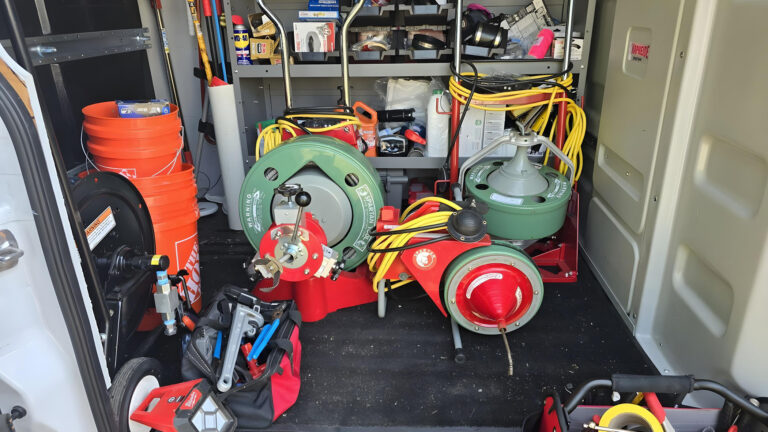
Professional plumbers use tools such as:
- Drain augers
- Motorized drain snakes
- Hydro jetting systems
- Plumbing inspection cameras
These tools allow plumbers to locate and remove blockages deeper in the plumbing system.
If recurring clogs continue despite basic maintenance, professional service helps identify the underlying cause.
Companies like Crest Plumbing provide drain and disposal repair services to restore proper water flow and address plumbing issues safely.
Long-Term Drain and Disposal Prevention
Maintaining a healthy kitchen drain system mostly comes down to daily habits.
Helpful practices include:
- Scraping food scraps into the trash before washing dishes
- Avoiding disposal of grease and oils in the sink
- Running water while using the garbage disposal
- Avoiding fibrous vegetables and starchy foods in the disposal
- Flushing the drain periodically to remove small residue buildup
These habits significantly reduce the likelihood of clogs.
How Aging Plumbing Systems Contribute to Drain Problems
Older plumbing systems often develop corrosion or mineral buildup inside pipes.
Rough interior surfaces catch debris more easily than smooth pipes. Over time, residue accumulates faster and restricts water flow.
Homes with aging plumbing may require periodic professional drain cleaning to maintain proper drainage.
In some cases, replacing sections of pipe becomes the most effective long-term solution.
Temporary vs. Recurring Drain Clogs
Not every clog indicates a serious plumbing issue.
Temporary clogs typically occur near the disposal or P-trap and can often be cleared with basic maintenance.
Recurring clogs usually indicate buildup deeper inside the drain line or a structural issue with the pipe.
If the same drain repeatedly becomes blocked, professional inspection helps identify the cause.
Final Thoughts on Drain and Disposal Care
Drain and disposal systems operate reliably when used properly and maintained regularly.
Most problems occur when food waste, grease residue, and debris accumulate inside pipes over time. Recognizing early warning signs allows homeowners to address problems before they become major plumbing repairs.
Avoiding problematic materials, running water during disposal use, and practicing regular maintenance helps keep the system functioning properly.
When issues go beyond simple maintenance, contacting an experienced plumbing service such as Crest Plumbing ensures the drain and disposal system is inspected and repaired correctly.