It’s important to locate a water leak as soon as possible. A minor leak may ruin drywall, flooring, insulation, framing, and your wallet before you notice. Some leaks are obvious. Others are concealed behind walls, under concrete, or in ceilings, with more subtle symptoms.
The key to identifying leaks is to recognize that water can move away from the leak. For instance, a water stain on the ceiling doesn’t necessarily indicate a leak above it. The water may have traveled across framing, pipes, or insulation.
At Crest Plumbing, a typical call is from homeowners who detect leaks but don’t know where they come from. It’s important to isolate the issue rather than guess.
Common signs that you have a water leak

Before locating the source, you need to recognize the warning signs:
- Unexpected increase in water bills
- Damp drywall or ceiling spots
- Musty odors
- Mold or mildew growth
- Low water pressure
- Running water sounds when fixtures are off
- Warm spots on floors
- Cracks in foundation or flooring
- Wet carpet or warped flooring
Not every leak creates standing water. Some develop slowly over weeks or months.
Start with your water meter
Your water meter can help confirm whether you have an active leak.
Basic water meter test:
- Turn off all faucets, appliances, and irrigation systems
- Check the water meter reading
- Wait 30 minutes to 1 hour without using water
- Recheck the meter
If the reading changes, there is likely a leak somewhere in your plumbing system.
This doesn’t tell you where the leak is, but it confirms that water is escaping.

Check the most common leak locations first
Certain areas are more likely to develop leaks.
| Area | Common Cause |
| Toilets | Worn flapper valves, base seal failure |
| Faucets | Loose fittings, damaged cartridges |
| Water heaters | Corrosion, pressure valve leaks |
| Under sinks | Supply line or drain leaks |
| Washing machines | Hose cracks or loose connections |
| Slab foundations | Underground pipe damage |
| Roof or attic | Roof penetration or pipe condensation |
Toilet leaks are often overlooked
A leaking toilet can waste a surprising amount of water without obvious flooding.
Simple toilet dye test:
- Add food coloring to the tank
- Wait 15 minutes
- If color appears in the bowl without flushing, the flapper may be leaking
This is one of the easiest leaks to identify and repair.
Inspect walls and ceilings carefully
Water stains, bubbling paint, warped drywall, or soft spots may indicate hidden pipe leaks.
Pay attention to:
- Ceiling discoloration below bathrooms
- Wet baseboards
- Peeling paint
- Wall swelling
- Dripping sounds
Sometimes using a moisture meter or infrared camera is necessary for precise detection.
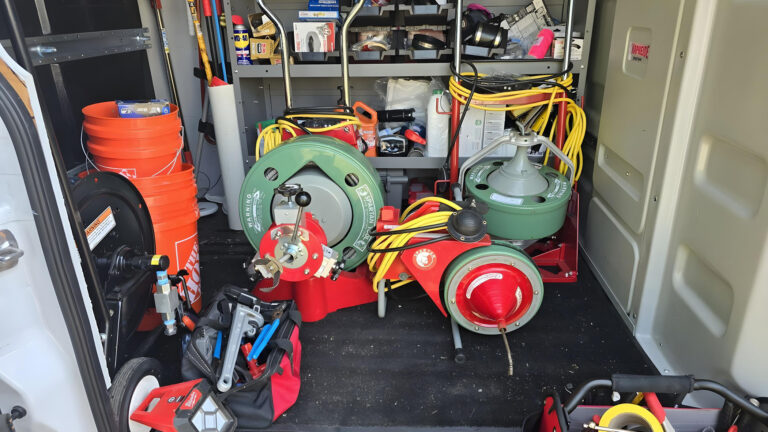
Professional plumbers like Crest Plumbing often use advanced leak detection equipment to avoid unnecessary wall demolition.
Slab leaks require faster action
Leaks under concrete foundations are more serious.
Possible slab leak signs:
- Warm or damp flooring
- Cracks in flooring
- Sudden hot water shortages
- Constant meter movement
- Moldy odors
Because slab leaks are underground, they often need specialized acoustic listening devices, thermal imaging, or pressure testing.
Ignoring slab leaks can lead to:
- Structural damage
- Foundation shifting
- Mold growth
- Major repair costs
Learn More About What is a slab leak
Outdoor leaks can also be costly
Your leak may not be inside.
Check:
- Hose bibs
- Irrigation systems
- Main water line
- Pool plumbing
- Outdoor faucets
Soft ground, unexplained puddles, or greener patches of grass may point to underground water line leaks.
Is it a plumbing leak or roof leak?
Water damage doesn’t always mean plumbing failure.
Plumbing leak signs:
- Damage worsens with water use
- Water pressure changes
- Moisture near fixtures
Roof leak signs:
- Damage worsens after rain
- Attic moisture
- Roof penetration issues
- Exterior wall stains
This distinction matters because the wrong repair approach wastes time and money.
Professional leak detection methods
When DIY inspection isn’t enough, licensed plumbers may use:
- Acoustic leak detection
- Thermal imaging
- Pressure testing
- Camera inspections
- Moisture mapping
These methods reduce property damage by locating hidden leaks accurately.
Crest Plumbing specializes in leak detection and repair throughout Barnegat and Ocean County, helping homeowners avoid unnecessary excavation or wall removal whenever possible.
Learn about our what is hydro jetting?
When should you call a plumber?
You should seek professional help if:
- Water meter indicates a leak but source is unclear
- Water damage is spreading
- Mold appears
- Leak is under slab or underground
- Ceiling or wall damage worsens
- Water pressure drops suddenly
Waiting too long often increases repair costs significantly.
Preventing future leaks
Leak prevention is usually cheaper than emergency repair.
Helpful prevention steps:
- Annual plumbing inspections
- Replace aging supply lines
- Monitor water bills
- Install leak detection sensors
- Insulate exposed pipes
- Maintain water pressure regulators
- Check appliance hoses regularly
Older homes especially benefit from proactive plumbing evaluations.
Frequently Asked Questions
How can I tell if I have a hidden water leak?
Check for rising water bills, mold smells, damp walls, soft flooring, or water meter movement when all fixtures are off.
Can a water leak fix itself?
No. Leaks almost always worsen over time.
Are slab leaks dangerous?
Yes. They can weaken foundations, increase mold risk, and create expensive structural damage.
Does homeowners insurance cover water leaks?
It depends on the cause. Sudden accidental leaks may be covered, while neglected maintenance issues often are not.
How much water can a small leak waste?
Even a slow drip can waste hundreds to thousands of gallons annually.
Should I use DIY leak sealers?
Temporary sealers may reduce visible dripping but rarely solve the root issue. Professional repair is usually the safer long-term solution.
Conclusion
Water leaks can be detected early by watching for signs and taking action to prevent further damage. Some leaks are easy to find, whereas others may need specialised equipment. The earlier you catch a leak, the less time it will take to fix it.
Key takeaways:
- Monitor your water bill for sudden increases
- Use your water meter to confirm hidden leaks
- Inspect toilets, sinks, ceilings, and outdoor plumbing first
- Watch for mold, stains, soft floors, or musty smells
- Address slab leaks and hidden pipe damage quickly
- Schedule professional leak detection when the source is unclear
Schedule Professional Leak Detection Today
Protect your home from costly water damage. Contact Crest Plumbing for fast, reliable water leak detection and repair.