
Plumbing emergencies often strike without notice. Everything can seem perfectly normal one minute, and then, all of a sudden, water is spraying from a pipe, a toilet is overflowing, or a drain is backing up into the house.
When something like this occurs, time is of the essence. Water will quickly spread through your floors, walls, and cabinets, and the longer it flows, the more damage it does. A simple repair can become a far more complicated and costly issue very quickly.
In these situations, many homeowners panic because they often don’t know what to do first. I can certainly understand the reaction. Plumbing systems are hidden behind walls and under floors, so when things go wrong, it can feel like a disaster.
The bright side is that you do not require technical skill for your first answer. No matter what happens, it is important to remain calm, act quickly, and follow the plan.
This guide outlines the practical actions you can take during a plumbing emergency before the professionals arrive. Every step slows or limits the damage while the plumber fixes the problem.
What Is Considered a Plumbing Emergency
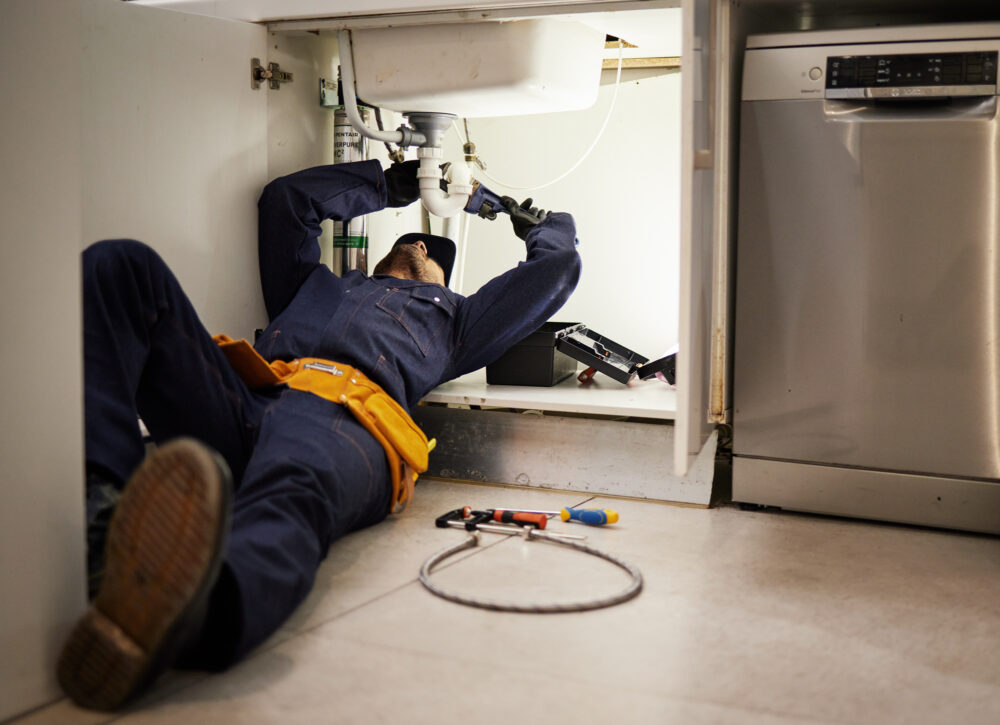
Not every plumbing issue requires immediate attention. A dripping faucet or a slow-moving drain is inconvenient, but those problems can usually wait for a scheduled service visit.
A true plumbing emergency is different. These situations involve active water damage, exposure to sewage, or safety hazards that can quickly affect the home.
Common plumbing emergencies include:
- Burst or cracked pipes
- Major water leaks that cannot be contained
- Overflowing toilets that continue filling
- Sewer backups in sinks, tubs, or floor drains
- Water heater tank leaks
- Broken supply lines connected to appliances
- Frozen pipes that have begun leaking
- Significant flooding caused by plumbing failures
The key factor is the potential for damage. If water is flowing continuously or wastewater is entering the home, immediate action is necessary.
First Priority: Shut Off the Water Supply
The most important step in any plumbing emergency is stopping the water flow.
Every home has a main water shut-off valve that controls the water supply entering the property. Turning off this valve stops water from moving through the plumbing system and prevents further flooding.
You’ll usually find the main shut-off valve in places such as:
- Basements near the front wall
- Utility rooms
- Garages along an exterior wall
- Crawlspaces near the incoming water line
- Near the outdoor water meter
To shut off the water:
- Locate the main shut-off valve.
- Turn the valve clockwise until it stops.
- Turn on a faucet to confirm the water supply has stopped.
Sometimes the issue only affects a single fixture. Many sinks, toilets, and appliances have small shut-off valves nearby. Turning off that local valve can isolate the problem without cutting water to the entire house.
The sooner the water stops flowing, the less damage occurs.
Electrical Safety During a Plumbing Emergency
In severe plumbing failures, water can reach electrical outlets, appliances, or even the breaker panel. When electricity and water mix, the situation becomes much more dangerous.
If water is spreading near electrical components:
- Shut off electricity at the main breaker panel
- Avoid touching electrical devices in wet areas
- Never step into standing water if electricity may still be active
If the breaker panel itself is in a flooded area, it’s often safer to wait for professional assistance rather than attempting to shut it off yourself.
Containing the Water
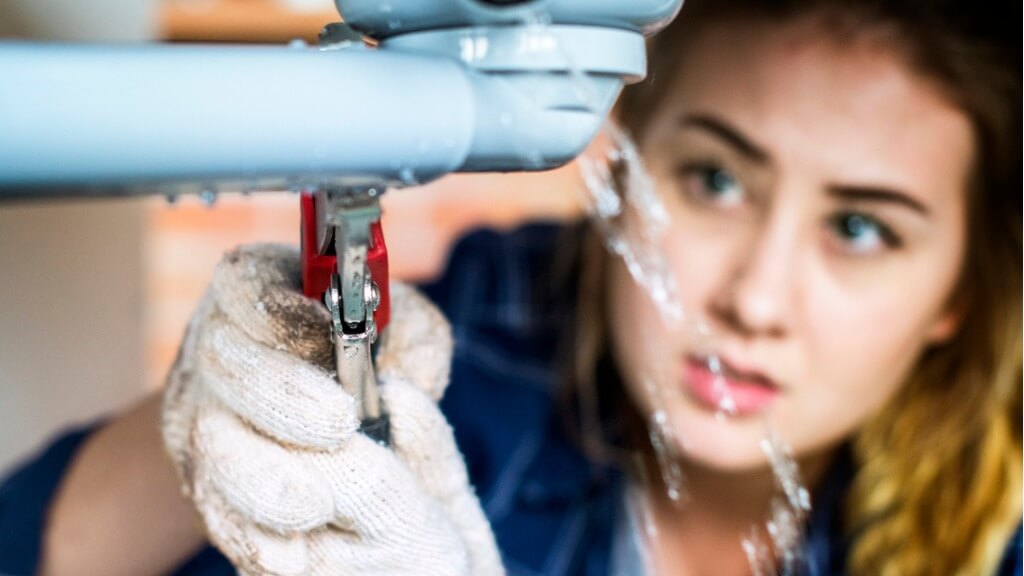
Once the water supply has been shut off, the next step is dealing with the water that has already leaked.
Basic containment methods include:
- Placing buckets under dripping pipes
- Using towels to absorb spreading water
- Blocking water from reaching carpets or furniture
- Mopping standing water on hard surfaces
- Moving valuable items away from the affected area
If a large amount of water has entered the room, a wet-dry vacuum can remove standing water much faster.
The goal is simple: prevent water from soaking into materials like drywall, insulation, wood floors, and cabinets.
Identifying the Source of the Problem
After the situation is stabilized, try to identify where the issue started. Understanding the source helps determine what type of repair will be required.
Several plumbing components are responsible for most emergencies.
Burst Pipes
Pipes can burst for several reasons—freezing temperatures, corrosion, or excessive pressure. When a pipe splits open, water can spray out rapidly and flood an area in minutes.
Signs of a burst pipe include:
- Water spraying from a pipe
- Wet walls or ceilings
- Sudden drops in water pressure
- Damp areas forming on floors
Burst pipes almost always require immediate professional repair.
Broken Appliance Supply Lines
Appliances such as washing machines, refrigerators, and dishwashers connect to the plumbing system using flexible hoses.
Over time these hoses can weaken, crack, or split. When that happens, water may leak beneath appliances and cabinets without being noticed right away.
Overflowing Toilets
Toilet overflows usually happen because of drain blockages or malfunctioning tank components.
If the bowl keeps filling and rising, turning off the shut-off valve located behind the toilet will usually stop the overflow.
Water Heater Leaks
Water heaters can leak from valves, pipe connections, or the tank itself. If the tank fails internally, replacement is often required.
Until repairs are completed, it’s best to shut off both the water supply and the heater’s power source.
Temporary Fixes That Can Help
Temporary fixes can help slow leaks while waiting for a plumber, but they should never be treated as permanent repairs.
A few short-term solutions include:
Pipe Repair Tape
This specialized tape can temporarily seal small cracks or pinhole leaks. Wrapping it tightly around the damaged section may reduce water flow.
Pipe Clamps
A pipe clamp placed over a leaking section can apply pressure and slow small leaks.
Tightening Loose Connections
Under sinks or behind appliances, fittings may loosen over time. Carefully tightening them with an adjustable wrench can sometimes stop minor leaks.
Turning Off Appliance Valves
If a washing machine or dishwasher hose is leaking, simply turning off the appliance’s water valve can stop the problem.
These quick fixes provide time until proper repairs can be made.
Removing Standing Water
Water left inside the home can cause structural damage and encourage mold growth, so removing it quickly is important.
Common water-removal methods include:
- Wet-dry vacuums
- Mops and buckets
- Absorbent towels
- Portable water pumps for larger flooding
Ventilation also helps speed up drying. Opening windows and running fans improves airflow and reduces moisture.
If water has soaked into carpets, drywall, or insulation, professional drying equipment may be needed to fully remove hidden moisture.
Hidden Water Damage
Some plumbing emergencies create damage that isn’t immediately visible.
Water can travel behind walls, beneath flooring, or through insulation. Over time, that hidden moisture can lead to mold growth or structural deterioration.
Signs of hidden water damage include:
- Warped flooring
- Peeling paint or bubbling drywall
- Persistent damp odors
- Stains forming on ceilings or walls
If these signs appear after a plumbing emergency, a professional inspection is strongly recommended.
When to Call an Emergency Plumber
Certain plumbing situations require immediate professional help.
You should call a plumber if you experience:
- Continuous water flow that cannot be stopped
- Burst pipes inside walls or ceilings
- Sewer backups entering the home
- Multiple clogged drains at once
- Water heater tank leaks
- Strong sewage odors indoors
- Flooding that continues after the water supply is shut off
In these cases, plumbers rely on specialized tools to locate leaks, remove blockages, and repair damaged pipes.
Homeowners in New Jersey often contact Crest Plumbing during these situations because plumbing emergencies rarely happen at convenient times. A fast professional response can prevent additional damage and restore the plumbing system safely.
Preventing Plumbing Emergencies
Many plumbing emergencies don’t happen suddenly—they develop gradually over time. Regular maintenance can greatly reduce the risk.
Regular Plumbing Inspections
Routine inspections can reveal corrosion, worn components, or pressure problems before they cause major failures.
Replacing Old Supply Lines
Appliance hoses should be replaced periodically. Stainless-steel braided hoses are far more durable than older rubber lines.
Insulating Pipes in Cold Areas
Pipes located in crawlspaces, garages, or basements are vulnerable to freezing. Proper insulation helps prevent pipes from bursting during winter.
Managing Water Pressure
High water pressure can weaken pipes and fittings. Pressure regulators help maintain safe levels within the plumbing system.
Maintaining Drains
Avoid pouring grease, oils, or food waste down kitchen drains. Regular cleaning helps prevent severe clogs and backups.
Common Plumbing Emergencies Explained
Understanding the most common emergencies can help homeowners recognize early warning signs.
Frozen Pipes
When water freezes inside a pipe, it expands and creates pressure. That pressure can eventually split the pipe open.
Frozen pipes often occur in poorly insulated areas such as basements, crawlspaces, or exterior walls.
Sewer Line Blockages
Sewer lines can become blocked by debris, grease buildup, or tree root intrusion. When the blockage becomes severe, wastewater may back up into sinks, tubs, or floor drains.
Professional inspection tools are usually required to locate and clear these blockages.
Water Heater Failures
Water heaters operate under constant pressure and heat. Over time, internal corrosion can weaken the tank until it begins leaking.
Once that happens, water will continue leaking until the system is shut off.
Major Drain Clogs
If multiple drains in the house slow down at the same time, the problem may be in the main sewer line rather than a single fixture.
Clearing these blockages typically requires professional drain cleaning equipment.
Why Fast Action Matters
Water damage develops quickly.
Within minutes, water spreads across floors and begins soaking into surrounding materials. Within hours, drywall, insulation, and wood structures can become saturated.
If moisture remains long enough, mold growth becomes possible.
Acting quickly during a plumbing emergency can significantly reduce repair costs. In most cases, the single most important step is shutting off the water as soon as possible.
Preparing for Plumbing Emergencies
Preparation makes a huge difference when an emergency happens.
Every household should know:
- Where the main water shut-off valve is located
- Where the electrical breaker panel is located
- How to shut off the water heater
- Which plumber to call for emergency service
It also helps to keep a few emergency supplies available:
- Pipe repair tape
- Adjustable wrench
- Towels or absorbent cloths
- Buckets
- Wet-dry vacuum
Having these items ready allows homeowners to respond quickly while waiting for professional help.
When a serious repair is required, contacting a trusted local company like Crest Plumbing ensures the issue is handled by experienced technicians who understand how to restore plumbing systems safely.
Frequently Asked Questions About Plumbing Emergencies
What should I do first during a plumbing emergency?
The first step is shutting off the main water supply to stop additional water from entering the plumbing system. This helps prevent further flooding or property damage. After the water is off, try to locate the source of the problem and remove any standing water. Once the situation is stable, contact a professional plumber such as Crest Plumbing to inspect and repair the issue.
How do I shut off the water in my house during a plumbing emergency?
Most homes have a main shut-off valve located in the basement, utility room, crawlspace, garage, or near the outdoor water meter. Turning the valve clockwise shuts off water to the entire home. Knowing where this valve is located ahead of time can save valuable minutes during an emergency.
What situations qualify as a plumbing emergency?
A plumbing emergency includes any situation where water, sewage, or gas creates an immediate risk to property or safety. Common examples include burst pipes, overflowing toilets, sewer backups, major leaks, frozen pipes that crack, and water heater failures.
Can a small leak turn into a plumbing emergency?
Yes. Even a minor leak can become a serious problem if it’s ignored. Over time, water can damage walls, flooring, and structural components, eventually leading to larger failures like burst pipes.
Should I turn off electricity during a plumbing emergency?
If water reaches electrical outlets, appliances, or breaker panels, turning off electricity at the main breaker is the safest option. Water and electricity together create a serious hazard.
What are the most common plumbing emergencies?
Common emergencies include burst pipes, sewer backups, water heater leaks, severe drain clogs, and broken appliance supply lines. Frozen pipes during winter are also a frequent cause of emergency plumbing calls.
How quickly can water damage occur?
Water damage can begin within minutes. Water spreads rapidly through floors, drywall, cabinets, and insulation. Acting quickly and shutting off the water can greatly reduce repair costs.
Is it safe to fix a plumbing emergency myself?
Homeowners can perform temporary actions like shutting off water, placing buckets under leaks, or applying repair tape. However, permanent repairs should always be handled by licensed professionals.
When should I call an emergency plumber?
Call an emergency plumber if water continues flowing after the shut-off valve is closed, if sewage backs up into drains, if a pipe bursts inside a wall, or if a water heater tank begins leaking.
How can I prevent plumbing emergencies?
Regular maintenance is the best prevention. This includes inspecting pipes, replacing aging supply hoses, insulating pipes during winter, monitoring water pressure, and keeping drains free of grease and debris. Routine inspections from professionals like Crest Plumbing can also identify potential issues early.
Final Thoughts
A plumbing emergency requires quick thinking and immediate action. The most important steps are straightforward:
- Shut off the water supply
- Turn off electricity if water reaches electrical areas
- Contain the water
- Identify the source of the problem
- Apply temporary fixes if possible
- Remove standing water quickly
- Contact a professional plumber when necessary
Acting quickly can prevent major damage and reduce repair costs.
Plumbing systems are complex, and many emergencies require specialized tools and experience to repair properly. Responding quickly—and calling experienced professionals when needed—helps protect your home and restore the plumbing system safely Call Crest Plumbing
