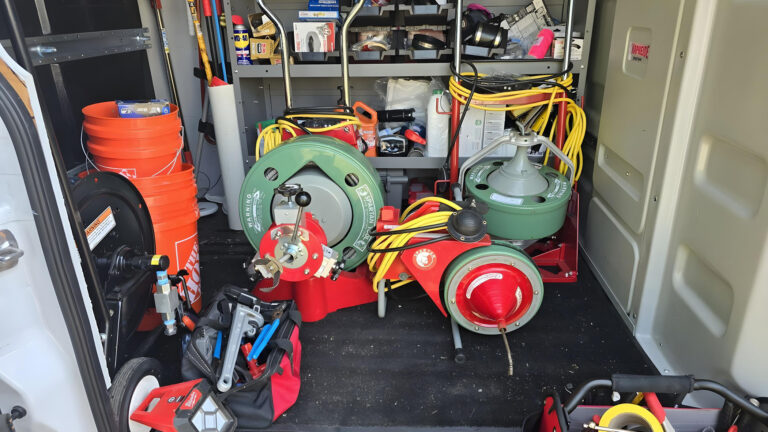
Start now. If a pipe has burst, you’ll lose time and property fast. Below is a practical, step-by-step guide that tells you exactly what to do when a pipe bursts—immediate actions, temporary fixes you can do safely, how to document damage for insurance, when to call a professional, and how to reduce the chance it happens again.
What to do when pipe bursts—Immediate actions 60-second checklist
Act fast. Water spreads quickly, and some damage is irreversible if left unchecked.
- TURN OFF THE MAIN WATER SUPPLY. Locate your house’s main shutoff and close it completely. If you don’t know where it is, turn off the street-side if you can, or call your water utility.
- CUT POWER TO THE AREA. If water is near outlets, breakers, or appliances, shut off the circuit at the breaker panel. Do not touch wet electrical appliances or outlets.
- OPEN FAUCETS TO DRAIN LINES. Start faucets on the lowest and highest levels of the house to relieve pressure and drain leftover water.
- CONTAIN FLOW. Put buckets, pans, towels, or plastic sheeting under the leak to catch water and limit spread.
- MOVE VALUABLES. Get furniture, electronics, documents, and rugs out of the path of water immediately.
- CALL FOR HELP. For significant bursts, call your emergency plumber. If you’re in our service area, call Crest Plumbing for 24/7 emergency response.
These six steps will limit water movement, reduce risk, and buy time until a professional arrives.
Assess safety and reduce immediate hazards
Before you start touching anything, check safety.
- ELECTRICAL RISK: If water is pooling near electrical outlets, breakers, or appliances, leave the power off and keep people out of the area. Water + electricity = real danger.
- STRUCTURAL RISK: Look up for sagging ceilings or bulging drywall. A ceiling that’s soft or sagging can collapse. Evacuate the room if this is happening.
- GAS APPLIANCES: If the burst affected gas appliances or lines (rare), or you smell gas, leave the building and call your gas utility.
- CONTAMINATION: If the burst involved a sewer or a dirty-water source, avoid contact and wear gloves and boots; that water can be hazardous.
If anything makes you doubt safety—electric or structural—leave and call emergency services or your plumber.
What to do when pipe bursts—Step-by-step temporary fixes
Short-term repairs can reduce leaking until a licensed plumber can do a permanent fix. These are temporary—treat them as triage.
what to do when pipe bursts: Step-by-step checklist
- Isolate the broken section. If the house has localized shutoffs (to bathrooms, kitchens, outdoor spigots), close the valve feeding that zone. This can stop the leak without shutting water to the whole house.
- Dry the area enough to work. Use towels or a wet/dry vacuum so you can see the damaged pipe and apply a clamp or tape cleanly.
- Clamp small cracks or holes. For a visible crack or small hole, use an emergency pipe clamp or a repair clamp from a hardware store. Place rubber (from a piece of garden hose or rubber patch) over the leak then tighten the clamp.
- Use pipe repair tape or self-fusing tape. For copper or PVC, silicone self-fusing tape wrapped tightly around the damaged area can stop leaks for hours. Overlap layers and stretch tape while applying.
- Apply epoxy putty for small holes. Clean the pipe, knead the epoxy putty per instructions, press it over the hole, and let cure. This is a good temporary seal for pinholes.
- Replace a short section with a compression fitting (if comfortable). On accessible copper or PEX, you can cut out a short damaged section and install a compression coupling. Only attempt this if you are confident and the main water is off.
- If you cannot stop the leak, protect belongings. Use buckets and direct water flow onto floors that can be dried, or onto a drain if possible.
Important: temporary fixes are not permanent repairs. They reduce damage and let you manage water until the plumber completes a proper repair or replacement.
How to shut off water and power safely
- Main water shutoff: Usually near the water meter, garage, basement, or where supply enters the home. Turn clockwise to close. If it’s stiff, don’t force it—call the water utility.
- Electric breaker: Turn off only the circuits in the flooded area if you can safely reach the panel. If you are unsure whether electricity and water are interacting, shut off the main breaker and evacuate.
- Local valve use: Learn where any local shutoffs are: under sinks, behind toilets, near the water heater, and outdoors at spigots. A working local shutoff can isolate the problem quickly.
Document damage and protect possessions
Insurance claims require good documentation. Do this while the scene is fresh.
- TAKE PHOTOS & VIDEO: Capture the burst pipe, water spread, soaked items, and any structural damage. Record timestamps or show phone time.
- LIST DAMAGED ITEMS: Make a quick inventory with photos and approximate values. Keep receipts for any emergency purchases (fans, towels, buckets).
- REMOVE SALVAGEABLE ITEMS: Move electronics, framed photos, and important papers to dry, safe space.
- BEGIN DRYING: Pull up rugs and move wet furniture outdoors if weather allows. Use fans, open windows (if safe), and run dehumidifiers. The quicker drying starts, the less likely mold becomes a major issue.
Keep copies of everything in a cloud folder or email them to yourself so you won’t lose records if devices are damaged.
When to call a professional—why and when
Some bursts are manageable with temporary fixes. Many are not.
Call a licensed emergency plumber immediately if:
- You cannot locate or close the main water shutoff.
- The leak is large and water is flowing freely.
- Water is near electrical systems or gas appliances.
- You see structural damage (sagging ceilings, load-bearing wall involvement).
- The burst involves a hidden line (inside walls, ceiling, under slab).
- The burst is in a main supply line or involves galvanized/old piping likely to continue failing.
A professional will:
- Stop the leak safely and permanently.
- Assess hidden damage (behind walls, under floors).
- Replace or re-route piping as needed.
- Coordinate with water remediation and restoration pros.
If you need emergency service, contact a licensed plumber right away. If local to this article’s author, Crest Plumbing offers 24/7 emergency response and can stabilize the situation and schedule permanent repairs.
What to expect from the pro: inspection and repair process
A licensed plumber will typically:
- Confirm the source using visual inspection, pressure tests, or leak detection equipment.
- Stabilize the site with temporary clamps or localized shutoffs if needed.
- Recommend permanent repair options: Replace a section, install a coupling, reroute, or full re-pipe.
- Provide an estimate for labor, materials, and time. Emergency calls often have higher immediate dispatch fees.
- Perform required repairs and test the system. They will check water pressure, test joints, and ensure there are no hidden leaks.
- Document work for insurance: most plumbers will provide invoices and before/after notes.
Ask your plumber for written estimates and warranty details on parts and labor.
After the emergency: permanent repairs & restoration
The temporary fix you applied is not the finish line. Proper restoration and permanent pipe repair matter.
- Permanent repair options:
- Repair sleeve or clamp: For localized damage where the pipe condition is otherwise sound.
- Section replacement: Remove the damaged segment and replace it with new pipe and fittings.
- Rerouting: If the damaged pipe is in a problematic location, reroute to more accessible routing.
- Re-piping: For very old or heavily corroded systems, full re-piping of sections of the home may be necessary.
- Trenchless methods: For broken supply lines under slabs or outside, trenchless pipe bursting or lining may minimize excavation.
- Water damage restoration:
- Structural drying, mold prevention, and repairs to drywall, flooring, and insulation.
- Hire certified water-damage restoration contractors if the water affected large areas or if it was contaminated.
- Costs and timeline:
- Small repairs: a few hundred dollars and can be same-day.
- Section replacements or wall/ceiling access: a few hundred to several thousand depending on access and materials.
- Full re-pipe: several thousand — varies with house size and pipe material.
- Restoration adds additional costs depending on extent of water damage.
Always keep copies of invoices and repair records for warranty and insurance purposes.
Preventive maintenance to avoid future bursts
A burst pipe is avoidable in many cases. The right maintenance and small upgrades reduce risk.
- Winterize pipes: Insulate exposed pipes in crawlspaces, basements, and exterior walls. In freezing weather keep a slow drip on exposed faucets and open cabinet doors to let warmer air circulate around plumbing.
- Control temperature: Keep the home above freezing, especially if away from home for long periods.
- Maintain water pressure: High steady pressure can strain fittings and joints. Check pressure with a gauge. If above 60–65 psi, get a pressure regulator installed.
- Replace aging piping: Know your pipe materials. Galvanized steel and old polybutylene are more failure-prone. Consider upgrading to copper or PEX.
- Inspect regularly: Look for corrosion, discoloration in water, slow drains, and stains on ceilings or walls. Small leaks often precede larger failures.
- Install shutoff valves for appliances: Add localized shutoffs for dishwashers, washing machines, and outdoor lines so you can isolate a problem without cutting water to the whole home.
- Service water heater and boiler: Pressure relief valves and tank maintenance can prevent related failures.
A yearly plumbing check from a licensed technician can catch problems early and save money.
Common causes of burst pipes
Understanding causes helps focus prevention.
- Freezing: Water expands when frozen, creating pressure that cracks pipes or joints.
- Age and corrosion: Older metal pipes corrode from the inside, slowly weakening until failure.
- High pressure: Systems with excessive water pressure or water hammer stress joints.
- Blockages: Clogs can create pressure spikes and localized failures.
- Poor installation: Improper fittings, incompatible materials, or insufficient support increase risk.
- External damage: Construction, drilling, or shifting foundations can nick or break pipes.
Address the root cause; fixing only the visible crack without addressing underlying issues invites repeat failures.
Insurance and billing: what to expect
- Policy coverage varies. Most homeowners insurance covers sudden, accidental water damage from burst pipes, but not damage from neglected maintenance. Check your policy for specifics.
- Document everything. Photos, repair estimates, invoices, and records of any prior maintenance help your claim.
- Mitigation requirement. Insurers typically require the homeowner to take reasonable steps to stop damage and mitigate further loss (shutting water off, drying, emergency repairs).
- Deductibles and limits. Know your deductible and any sub-limits for water damage or mold.
- Use licensed contractors. Insurers prefer invoices from licensed plumbers and restoration companies.
Before making decisions on permanent repairs, check with your insurer about their requirements and preferred vendors. Keep copies of all communications.
Quick tools and supplies to keep on hand
If you don’t already have these, keep a small emergency plumbing kit:
- Adjustable wrench and pipe wrench
- Teflon tape
- Emergency repair clamp
- Self-fusing silicone tape
- Epoxy putty for pipes
- Bucket and heavy-duty towels
- Wet/dry vacuum (if space allows)
- Work gloves and rubber boots
- Flashlight and batteries
These items make temporary response faster and reduce immediate damage.
Frequently asked questions
How fast does damage happen after a burst pipe?
Damage begins immediately. Within an hour water can soak drywall, flooring, and insulation; within 24–48 hours mold can start to take hold.
Can I turn the water back on after a temporary fix?
Only if your temporary repair is secure and you have tested it under low pressure. Ideally have a plumber confirm before restoring full pressure.
Does homeowners insurance cover burst pipes?
Often for sudden bursts. Not usually for damage that results from deferred maintenance. Check your specific policy.
Should I use bleach to clean up after a burst?
Bleach can disinfect hard surfaces but is not a mold remediation solution and can damage some materials. Use disinfectants recommended by restoration pros and follow safety instructions.
When will mold become a problem
Mold spores are everywhere; given moisture and organic material, visible mold can develop within 24–72 hours. Fast drying is essential.
Local resources & next steps
If a pipe bursts in your home, follow the 60-second checklist above: shut off water, isolate power if needed, contain the leak, document damage, and call for help. For emergency plumbing and permanent repairs, reach out to a licensed plumber. If you’re local and need immediate assistance, Contact Crest Plumbing For Emergency response, leak stabilization, and permanent repair planning.