There’s something deeply unsettling about walking into your bathroom first thing in the morning, still half-asleep, and getting hit with a smell that makes you wonder if something died inside your walls. Most of us do the same thing — we sniff around, check the trash, maybe spray some air freshener — and then just hope it goes away on its own.
Spoiler: it usually doesn’t.
Foul Smell in Your Drain are one of those household problems that are easy to ignore but hard to fix once they’ve been left too long. And while the smell itself is the obvious nuisance, it’s usually a symptom of something deeper going on in your plumbing system. Understanding what’s actually causing the odor — and what to do about it — can save you a lot of frustration and money in the long run.
Why Do Drains Smell Bad in the First Place?
To put it simply, drains smell because of what goes through them. Every time you wash dishes, shower, or flush a toilet, organic matter, grease, hair, and bacteria get pushed through your pipes. Most of the time, the water flow keeps things moving along just fine. But when things slow down — or stop moving altogether — buildup happens. And buildup becomes a breeding ground for the kind of bacteria that produce hydrogen sulfide gas, which is the main culprit behind that rotten-egg odor most people associate with a bad drain.
It’s not just about cleanliness, either. Your plumbing system has specific components designed to keep sewer gases from entering your home, and when those components fail or dry out, the smell finds a way in.
What Are the Most Common Causes of Foul Smell in Your Drain?
Dry or Damaged P-Traps
The P-trap is that curved section of pipe under your sink — the one shaped like the letter U or P. Its job is to hold a small amount of water at all times, which creates a seal that blocks sewer gases from traveling back up through the drain. It’s simple, elegant engineering, and it works beautifully — until the water evaporates.
If you have a bathroom sink, floor drain, or guest toilet that doesn’t get used very often, the water in the P-trap can dry out completely. Once that seal breaks, you’ve essentially left a direct pathway open between your indoor air and the sewer system below. The fix is usually as simple as running water down the drain for a minute or two, but if the smell persists after that, the trap itself may be cracked or improperly installed.
Biofilm and Organic Buildup Inside the Drain
This is the unglamorous reality of every drain in your home. Over weeks and months, a slimy layer of bacteria, soap residue, hair, grease, and food particles builds up on the inner walls of your pipes. This layer — called biofilm — is not just gross to think about; it actively generates odor as the bacteria break down organic matter.
Bathroom sink drains are especially prone to this because of the combination of toothpaste, soap, skin cells, and hair that go down them daily. Kitchen drains deal with grease and food particles. In both cases, the result is the same: a smell that no amount of surface cleaning will fix because the source is inside the pipe.
Blocked or Partially Clogged Drains
A slow drain is often the first sign that something is building up. When water can’t drain efficiently, it sits in the pipe longer than it should, giving bacteria more time to act on whatever organic matter is present. The longer the stagnation, the worse the smell.
Many homeowners assume a slow drain is just a minor inconvenience and put off addressing it. But partial clogs have a way of becoming full clogs, and full clogs can lead to backups that cause real damage.
Vent Pipe Problems
Your plumbing system has a network of vent pipes that run up through your walls and exit through the roof. These vents allow air into the system so that water can flow freely, and they also channel sewer gases up and out of the house. When a vent gets blocked — by a bird’s nest, leaves, or even ice in the winter — it can’t do its job. The sewer gases that should be escaping upward end up coming back through your drains instead.
This is one of those causes that homeowners rarely think about, and it’s often why a drain smells bad even when there’s no visible clog and the P-trap is full of water.
Sewer Line Issues
Sometimes the smell isn’t coming from the drain at all — it’s coming from deeper in the system. A cracked or compromised sewer line can allow gases to escape into the surrounding soil and eventually make their way back up through floor drains or other low-lying fixtures. A broken sewer line can also allow sewage to leak into the ground near your home’s foundation, which carries its own set of health and structural risks.
This is the kind of problem that really shouldn’t be diagnosed or handled without professional sewer and drain services. Without a proper camera inspection, it’s nearly impossible to know for sure what’s happening inside your main line.
How Do You Get Rid of Drain Smells? Practical Solutions That Actually Work
Start With What You Can Do Yourself
For mild odors, especially from infrequently used drains, running hot water down the drain for a few minutes can help restore the P-trap seal. Pouring a mixture of baking soda and white vinegar down the drain — letting it fizz for 15–20 minutes, then flushing with hot water — can break down mild biofilm buildup and neutralize odors without the harshness of chemical drain cleaners.
For kitchen drains, pouring a small amount of dish soap followed by boiling water can help cut through grease accumulation. And if you have a garbage disposal, cleaning it with ice cubes and coarse salt or a purpose-made disposal cleaner can eliminate a surprising amount of smell.
These are good habits to build into your regular home maintenance routine. But they’re surface-level solutions. They work well for minor, recent buildup — not for anything that’s been developing for months or years.
When to Call in Professional Sewer and Drain Services
If the smell is persistent, widespread across multiple drains, or accompanied by slow drainage or gurgling sounds, it’s time to stop experimenting with home remedies and get a professional involved. A plumber who specializes in sewer and drain services can run a camera inspection of your pipes, pinpoint the exact source of the problem, and clear blockages using hydro-jetting — a high-pressure water technique that cleans pipe walls far more thoroughly than any snake or chemical could.
Vent pipe blockages also require professional attention, as does any suspected sewer line damage. These aren’t DIY situations — they require the right tools and the experience to interpret what those tools are showing you.
How Do I Find Reliable Sewer and Drain Services Near Me?
This is a question a lot of homeowners find themselves Googling late at night, usually after the smell has gotten bad enough to be undeniable. If you’re searching for sewer and drain near me in the Barnegat, NJ area, the answer is closer than you think.
When choosing a plumber for drain and sewer issues, look for someone who is fully licensed and insured, has experience with both residential and commercial systems, uses camera inspection technology rather than guessing, and can respond quickly — especially if you’re dealing with a backup or potential sewer line failure.
Those aren’t just nice-to-haves. They’re the difference between a problem that gets fixed and one that gets worse.
Trust Crest Plumbing—Barnegat’s Most Reliable Sewer and Drain Experts
When it comes to drain odors, sewer issues, and everything in between, Barnegat residents know they can count on Crest Plumbing. With a 4.9-star rating built on 50+ reviews, Crest Plumbing has earned its reputation as the most trusted plumber in Barnegat, NJ — not just because of the quality of their work, but because of how they show up for people.
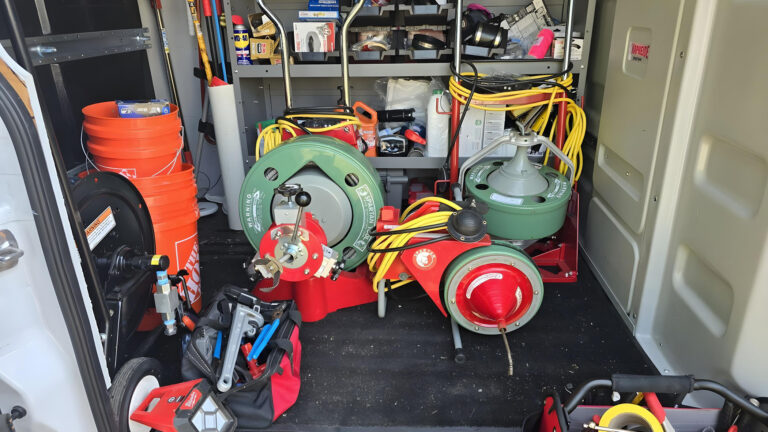
Crest Plumbing’s team is fully licensed (NJ License #36BI00651200) and insured, and they offer a complete range of sewer and drain services: sewer inspection and diagnostics, drain cleaning, drain pipe repair and cleaning, sewer line repair and replacement, and full drain pipe installation and replacement. They use advanced camera systems to find the root of the problem without guesswork, and electric snakes and hydro-jetters to clear even the most stubborn blockages. Their vac trucks and specialized equipment handle large-scale sewer and drain work that other companies simply aren’t equipped for.
Beyond sewer and drain work, Crest Plumbing also serves as Barnegat’s go-to experts for water heater installation and repair — so if your hot water is giving you trouble on top of everything else, they’ve got that covered too.
They serve Barnegat and communities throughout Ocean County, including Waretown, Manahawkin, Toms River, Long Beach Island, Forked River, Little Egg Harbor, and more. And because plumbing problems don’t follow business hours, they’re available 24/7 for emergency calls.
If you’ve been putting off dealing with a smelly drain or suspect something more serious is going on with your sewer line, don’t wait for it to become an emergency. Request a free quote or speak directly with a fully licensed and insured plumber in Barnegat, NJ by calling Crest Plumbing at (877) 939-2122 . The consultation is free. The peace of mind is priceless.
Crest Plumbing — Serving Barnegat, NJ and all of Ocean County with honest, expert plumbing you can count on. Available 24/7.