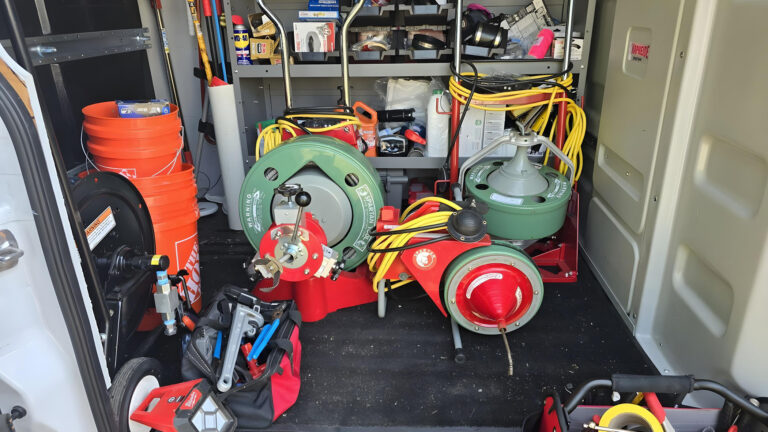
Whenever you begin thinking of such questions as why is my kitchen sink draining slowly? the general idea is that something is blocking water flow in the pipe. The hindrance may either be right below the sink, several feet down the drain line or further down the main sewer line. This kind of issue does not happen to clear on its own. In the event that the restriction remains unattended, the restriction may become increasingly bad with time and ultimately become sealed.
This manual contains the reasons as to why the sink slows down, the method of isolating the problem, the sorts of safe DIY solutions that you can perform, and when a professional such as Crest Plumbing needs to be called.
No fluff. What exactly is going on, and what to do about it?
Why Is My Kitchen Sink Draining Slowly? Understanding How the Drain System Works
Before fixing anything, it helps to understand the path water takes.
When you run your faucet, water flows down through the sink strainer, into the drain opening, and into the P-trap—the curved pipe under the sink. From there, it travels through the horizontal branch drain line inside the wall. That branch line connects to the main drain stack, which eventually ties into the sewer line.
There’s also a vent pipe connected to the drain system. That vent allows air into the system so water flows smoothly. Without proper venting, water can slow down, gurgle, or back up.
If your sink drains slowly, something is happening in one of these places:
- The strainer or drain opening
- The P-trap
- The branch drain line
- The vent pipe
- The main sewer line
The location of the restriction determines how serious the problem is.
The Most Common Causes of a Slow-Draining Kitchen Sink
Why Is My Kitchen Sink Draining Slowly Due to Grease Buildup?
1. Grease Buildup
This is the number one cause.
Grease doesn’t just wash away. When you pour oil, fat, or greasy food residue down the sink, it travels warm and liquid at first. Then it cools. It sticks to pipe walls. Over time, it builds up into a thick layer that narrows the inside diameter of the pipe.
You might not notice anything at first. Drainage slows gradually. Months later, the pipe opening is significantly smaller than it used to be.
Hot water alone usually won’t fix heavy grease buildup once it’s established.
2. Food Particles and Debris
Even if you use a garbage disposal, not everything should go down the drain. Common problem items:
- Coffee grounds
- Eggshells
- Rice and pasta
- Fibrous vegetables (celery, onion skins)
- Starchy foods
These materials don’t break down easily. They combine with grease and create a dense clog, often inside the P-trap or just beyond it.
3. A Clogged P-Trap
The P-trap is designed to hold a small amount of water to block sewer gases from coming back into your home. But it also catches debris.
Because it’s curved, it’s a natural collection point for buildup. If the clog is here, the fix is usually straightforward—but messy.
A P-trap clog typically affects only one sink.
4. Garbage Disposal Problems
If your sink has a disposal unit, a partial jam can restrict water flow. Even if the motor runs, debris might be stuck inside or just beyond the unit.
Common signs:
- Humming sound without grinding
- Slow draining only on the disposal side of a double sink
- Water backing up into the opposite basin
Sometimes the clog is in the disposal itself. Other times, it’s just past it.
5. Vent Pipe Blockage
Drain systems rely on air pressure balance. If the vent pipe is blocked—by debris, animal nesting, or buildup—water may drain slowly and gurgle.
Vent issues are harder to diagnose without inspection. If you hear gurgling noises while the sink drains, venting could be involved.
6. Partial Blockage in the Branch Drain Line
This is common in older homes.
Over time, mineral deposits, grease, and scale accumulate inside pipes. Even without a complete clog, the interior diameter shrinks enough to slow drainage.
This type of restriction often requires mechanical cleaning or hydro-jetting.
7. Main Sewer Line Issues
If more than one fixture drains slowly—for example, the kitchen sink and a bathroom sink—the issue might be deeper in the system.
Main line problems are more serious and may involve:
- Tree root intrusion
- Collapsed pipe sections
- Heavy buildup
- Bellied (sagging) pipe sections
When multiple drains slow down, it’s time to stop DIY attempts and consider professional evaluation.
How to Diagnose the Problem Step by Step
You don’t need specialized tools to narrow it down. Just be systematic.
Step 1: Check Other Fixtures
Run water in nearby sinks or tubs.
- If only the kitchen sink is slow → likely a localized issue.
- If multiple fixtures are slow → possible main line problem.
This step matters. It changes your approach completely.
Step 2: Look Under the Sink
Check the P-trap and connections.
- Any leaks?
- Any obvious corrosion?
- Is the pipe old galvanized metal?
Older galvanized pipes are prone to heavy interior corrosion and narrowing.
Step 3: Listen While It Drains
Gurgling sounds often indicate venting problems or partial blockage downstream.
A smooth drain should sound steady and consistent.
Step 4: Fill and Release Test
Fill the sink halfway with water. Then remove the stopper.
- Does water initially drain quickly and then slow?
- Does it hesitate immediately?
An immediate slow drain usually suggests a closer clog (like in the trap). A delayed slowdown may indicate buildup farther down the line.
Step 5: Inspect and Clean the Strainer
Remove the sink strainer basket and clear any visible debris.
It’s basic, but sometimes that’s all it is.
DIY Methods That Are Safe to Try
Not every slow drain requires a plumber immediately. Here are controlled steps you can try.
1. Hot Water and Dish Soap
If grease is the suspected cause:
- Boil water, but let it cool slightly before pouring (especially for PVC pipes).
- Add a few tablespoons of dish soap into the drain.
- Slowly pour hot water.
This can help dissolve light grease buildup.
It will not fix a heavy clog.
2. Plunging
Use a sink plunger, not a toilet plunger.
- Seal the overflow opening (if present).
- Fill the sink with a few inches of water.
- Plunge firmly 10–15 times.
Plunging works best on partial blockages near the trap.
3. Baking Soda and Vinegar
This creates a mild reaction that can loosen minor buildup.
- Pour baking soda into the drain.
- Add vinegar.
- Let it sit 15–20 minutes.
- Flush with hot water.
Do not expect dramatic results. This is for light buildup only.
4. Clean the P-Trap
If comfortable:
- Place a bucket under the trap.
- Loosen slip nuts.
- Remove and inspect.
You may find solid debris buildup. Clean thoroughly before reinstalling.
If pipes are old or corroded, avoid forcing connections.
5. Use a Hand Drain Snake
Insert a manual auger into the drain opening and feed it forward.
If resistance is felt:
- Rotate gently.
- Pull debris back out.
Do not force aggressively. You can damage piping.
What Not to Do
Avoid chemical drain cleaners.
They are corrosive and can damage:
- PVC pipes
- Older metal pipes
- Rubber seals
They also create safety risks if a plumber later services the line.
Repeated chemical use often makes long-term problems worse.
Signs It’s Time to Call a Professional
You’ve tried basic steps. Drainage is still slow. Or worse.
Call for help if:
- Water backs up into another fixture
- Multiple drains are slow.
- There is a sewage odor.
- The clog returns within days.
- You suspect mainline involvement.
- Pipes are old and fragile.
At this stage, guessing can cause more damage.
Companies like Crest Plumbing use camera inspections to pinpoint exactly where the restriction is. That matters. It prevents unnecessary pipe removal or repeated temporary fixes.
What a Professional Will Actually Do
Many homeowners imagine random pipe dismantling. That’s not how modern plumbing service works.
Camera Inspection
A flexible camera is inserted into the drain line.
This reveals:
- Exact clog location
- Type of obstruction
- Pipe condition
- Cracks or root intrusion
No guesswork.
Mechanical Augering
A powered drain snake breaks apart blockages.
Best for:
- Grease clogs
- Solid debris
- Moderate root intrusion
Hydro-Jetting
This uses high-pressure water to clean the entire pipe interior.
Effective for:
- Heavy grease
- Scale buildup
- Recurring clogs
Hydro-jetting restores pipe diameter better than basic snaking.
Pipe Repair or Replacement
If the issue is structural—collapsed section, root damage, heavy corrosion—cleaning alone won’t fix it.
In those cases, targeted repair may be required.
Why Slow Drains Shouldn’t Be Ignored
A slow drain is usually an early warning.
Over time:
- Buildup thickens.
- Flow slows further.
- Pressure increases behind the clog.
- Complete blockage occurs.
That’s when water overflows onto your kitchen floor.
It’s less expensive and less disruptive to address the issue early.
Preventing Future Slow Drains
Once the problem is resolved, prevention matters.
1. Stop Pouring Grease Down the Sink
Let grease cool in a container and dispose of it in the trash.
Even small amounts accumulate over time.
2. Use a Sink Strainer
A simple strainer catches food scraps before they enter the drain.
Empty it regularly.
3. Be Careful With Garbage Disposals
Run cold water while using the disposal.
Avoid fibrous and starchy foods.
Never treat it as a catch-all grinder.
4. Periodic Hot Water Flush
Once a month, flush with hot (not boiling) water and mild dish soap.
This helps prevent grease accumulation.
5. Schedule Preventive Maintenance
In older homes especially, professional drain cleaning every few years can prevent major backups.
Special Considerations for Older Homes
If your home has:
- Galvanized steel pipes
- Cast iron drain lines
- Original plumbing over 40 years old
Internal corrosion is likely.
Corroded pipes trap debris more easily. Even if you clear a clog, rough pipe walls allow buildup to return quickly.
A professional inspection can determine whether cleaning is enough or replacement is more practical long-term.
When It’s Probably a Main Line Problem
Here’s a short checklist:
- Kitchen sink drains slowly.
- Bathroom sink also drains slowly.
- Toilet bubbles when sink drains.
- Basement floor drain smells.
This pattern suggests restriction beyond a single branch line.
Main line issues require professional equipment. Attempting DIY methods in this case often pushes the clog farther down or worsens backup.
Final Thoughts
If your kitchen sink is draining slowly, the cause is almost always buildup restricting water flow. The question is where that restriction is located and how advanced it has become.
Start with basic checks. Clean what’s accessible. Avoid harsh chemicals. Pay attention to warning signs.
If the problem persists or affects multiple fixtures, bring in a professional.
A thorough inspection and proper cleaning by a licensed plumber—such as Crest Plumbing 24 hours services—can resolve the issue fully and help prevent it from happening again.
Slow drains are manageable when addressed early. Left alone, they become larger and more expensive repairs.