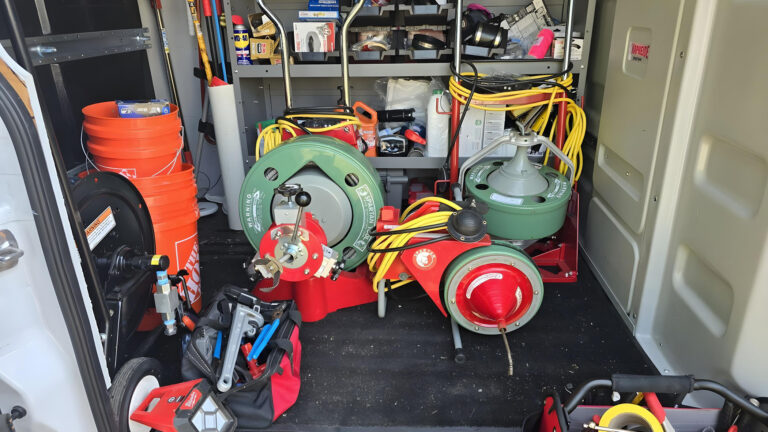
A foaming Tree Root Killer for Sewer Lines or a copper sulfate treatment is usually the best remedy for sewer line roots, depending on how severe the root intrusion already is. Foaming root killers often work better because the foam expands throughout the pipe and reaches roots growing along the upper pipe walls and joints where most sewer line intrusions develop.
Tree roots penetrate sewer lines through cracks, loose joints, broken pipes or old clay sewer lines in the ground. The roots grow into the pipe once they’re inside and lead to slow drains, backups, unpleasant smells and repeated pipe clogs.
Root killers may be used to control smaller or moderate root problems but may not always be permanent solutions. If sewer line is cracked, collapsed, offset, or is otherwise severely clogged with roots, repair or replacement of the sewer line may be necessary to prevent the problem from recurring.
Often, a professional sewer camera inspection is required to assess the amount of damage already done in the sewer line. Firms such as Crest Plumbing routinely assist property owners in Ocean County and surrounding regions in locating sewer root intrusion issues, unclogging clogged sewer lines, and figuring out which of root treatment, hydro jetting, or sewer repair will be best for the future.
Key Takeaways
- Foaming root killers are often the preferred option for sewer line roots because the foam expands through the pipe and reaches roots along pipe walls and joints.
- Tree roots usually enter sewer lines through existing weak points, such as cracks, loose joints, deteriorated seals, broken connections, or aging clay and cast-iron pipes.
- Root killer treatments are not always a permanent solution. If the sewer pipe is cracked, collapsed, offset, or severely damaged, the underlying pipe may need repair or replacement.
- Hydro jetting can be more effective for heavy root intrusion, physically removing thick root masses and buildup before a root treatment is applied to help slow regrowth.
- Recurring backups, multiple clogged drains, sewer odors, wet spots in the yard, or gurgling toilets can indicate serious root intrusion, making a professional sewer camera inspection an important next step.
Why Tree Roots Grow Into Sewer Lines
Roots do not randomly destroy sewer pipes. They usually enter pipes that already have weak points.
Common sewer pipe entry points include:
- Cracked clay sewer lines
- Loose pipe joints
- Aging cast iron pipes
- Broken PVC connections
- Offset sewer line sections
- Deteriorated seals
- Small foundation shifts underground
Once roots detect water vapor and nutrients inside the sewer system, they continue expanding through the opening.
Over time, this can lead to:
- Frequent drain backups
- Toilets gurgling
- Slow draining sinks or tubs
- Sewage odors outside
- Wet spots in the yard
- Multiple drains clogging at once
- Main sewer backups
Root intrusion usually gets worse gradually. Many homeowners do not realize roots are present until backups begin happening repeatedly.
Learn more about What to Expect: Plumbing Tree Root Removal Cost Near New Jersey
Most Common Root Killers for Sewer Lines
Here are the most commonly used sewer root killer options homeowners and plumbers use.
| Root Killer Type | How It Works | Best For | Limitations |
| Copper Sulfate | Dehydrates roots inside pipe | Mild to moderate root intrusion | Does not repair damaged pipe |
| Foaming Root Killer | Expands through pipe walls and upper pipe areas | Ongoing maintenance and active roots | Temporary if pipe is broken |
| Rock Salt | Dehydrates small root growth | Minor prevention | Less effective for heavy intrusion |
| Chemical Herbicides | Kills aggressive root systems | Severe root activity | Usually requires professional handling |
| Hydro Jetting + Root Treatment | Cuts roots physically then treats regrowth | Heavy root blockage | Requires professional equipment |
Why Foaming Root Killers Usually Work Better
Foaming root killers are often considered the best overall option for residential sewer lines because they spread more evenly throughout the pipe.
Liquid root killers tend to flow through the bottom of the sewer line quickly. The problem is that roots often grow along the upper pipe walls and joints. Foam treatments expand upward and coat more of the interior pipe surface.
That matters because sewer roots rarely grow in only one small area.
Foaming products are commonly used for:
- Recurrent sewer clogs
- Early-stage root intrusion
- Preventive maintenance
- Older clay sewer systems
- Long sewer lateral lines
Many plumbers recommend periodic root treatment even after clearing the blockage to slow future regrowth.
Still, if the sewer line itself is damaged badly enough, roots will usually return.
Signs Root Killer Alone May Not Be Enough
Some homeowners keep using drain chemicals repeatedly while the sewer pipe continues deteriorating underground.
That usually leads to bigger repair costs later.
Root killers may not fully solve the problem if you notice:
- Sewage backing up repeatedly
- Multiple drain fixtures clogging together
- Yard sinkholes
- Wet grass above sewer line
- Sewer odor outside
- Backups shortly after drain cleaning
- Older clay or cast iron sewer lines
- Large mature trees near sewer path
In these situations, a sewer camera inspection is usually the next step.
A camera inspection helps determine:
- how large the root intrusion is
- whether the pipe is cracked
- if sections collapsed
- where roots are entering
- whether repair or replacement is needed
Crest Plumbing regularly performs sewer inspections and root intrusion evaluations for homeowners dealing with recurring sewer backups throughout Ocean County.
Read About How to Remove Roots From Sewer Line: Effective Methods to Clear and Prevent Pipe Damage
Copper Sulfate Root Killers
Copper sulfate has been used for sewer root control for decades.
It works by dehydrating roots that enter the sewer line. Small root growth can die off after treatment, which helps improve water flow through the pipe.
However, copper sulfate has limitations.
It usually works best when:
- root intrusion is caught early
- the sewer line still has structural integrity
- roots are relatively small
- backups are not severe yet
Problems with copper sulfate:
- may take time to work
- roots can return
- heavy root masses may survive
- some municipalities restrict use
- excessive use may harm nearby vegetation
It is more of a maintenance treatment than a permanent repair.
Hydro Jetting vs Root Killers
For heavier root intrusion, hydro jetting is often more effective than chemicals alone.
Hydro jetting uses high-pressure water to physically cut and flush roots from inside the sewer line.
Benefits include:
- removes thick root masses
- clears sludge buildup
- cleans pipe walls
- restores better flow
- improves effectiveness of future root treatments
Many plumbers combine hydro jetting with foaming root treatment afterward to help slow regrowth.
This combination tends to work better than chemical treatments alone when roots are already causing serious blockages.
Older Sewer Pipes Are More Vulnerable
Root intrusion happens far more often in older sewer systems.
Common high-risk sewer materials include:
- clay pipes
- Orangeburg pipe
- aging cast iron
- deteriorating concrete sewer lines
These materials tend to crack or separate over time, giving roots easier access.
In many older neighborhoods throughout New Jersey, sewer root intrusion becomes a recurring issue simply because the underground sewer infrastructure has aged significantly.
Some homeowners continue treating roots yearly for maintenance. Others eventually replace sections of sewer piping entirely once damage becomes extensive enough.
Preventing Sewer Roots From Returning
No root killer guarantees permanent prevention if the pipe remains damaged.
But these steps help reduce future problems:
Sewer Maintenance Tips
- Schedule periodic sewer inspections
- Avoid planting large trees near sewer lines
- Use root treatments preventively
- Address slow drains early
- Repair cracked sewer sections promptly
- Consider trenchless sewer repair if needed
- Hydro jet the line periodically if roots recur
Ignoring recurring sewer symptoms usually allows the underground damage to spread further.
When to Call a Professional Plumber
DIY root killer products may help minor root problems temporarily. But some sewer issues need professional diagnosis.
You should call a plumber if:
- backups keep returning
- sewage enters the home
- multiple drains clog simultaneously
- drain cleaners stop working
- sewer odors appear outdoors
- yard flooding develops
- toilets bubble or gurgle frequently
Professional sewer inspection equipment can identify the actual condition of the pipe instead of guessing based on symptoms alone.
Crest Plumbing works with homeowners dealing with sewer root problems, blocked sewer lines, drain backups, and underground sewer pipe damage throughout Ocean County and nearby New Jersey communities.
When Root Treatments Stop Working and Sewer Repair Becomes Necessary
The best root killer for sewer lines is usually a foaming root treatment combined with proper sewer maintenance and inspection. Foam treatments tend to coat the pipe more effectively than liquid-only products and work better for ongoing root control.
But the larger issue is often the condition of the sewer line itself.
If roots are entering repeatedly, the pipe likely already has cracks, joint separation, or structural deterioration underground. Chemical treatments may slow the problem temporarily, but they do not repair damaged sewer pipes.
That is why recurring sewer root problems often require:
- sewer camera inspections
- hydro jetting
- sectional sewer repair
- trenchless sewer replacement
- full sewer line replacement in severe cases
Crest Plumbing regularly helps homeowners locate sewer root intrusion issues, clear blocked sewer lines, and determine whether repair or replacement makes the most sense before the damage becomes more expensive.
FAQs
What is the safest root killer for sewer lines?
Foaming root killers are commonly considered safer for residential sewer systems because they stay inside the pipe more effectively and target root growth directly. However, safety depends on the pipe condition, product instructions, and local regulations.
Does copper sulfate completely remove tree roots?
No. Copper sulfate can kill smaller roots inside the sewer pipe, but it does not repair cracks or damaged joints where roots entered originally. Roots may eventually return if the pipe remains damaged.
How often should sewer root treatment be done?
Some homeowners use preventive root treatment once or twice per year, especially in older sewer systems with recurring root activity. The schedule depends on tree proximity, pipe age, and previous blockage history.
Can hydro jetting remove sewer roots permanently?
Hydro jetting removes roots physically from the pipe, but it does not permanently stop regrowth if the sewer line still has openings or structural damage underground.
What are the signs of roots in a sewer line?
Common signs include slow drains, recurring backups, gurgling toilets, sewage odors, wet yard areas, and multiple plumbing fixtures clogging at the same time.