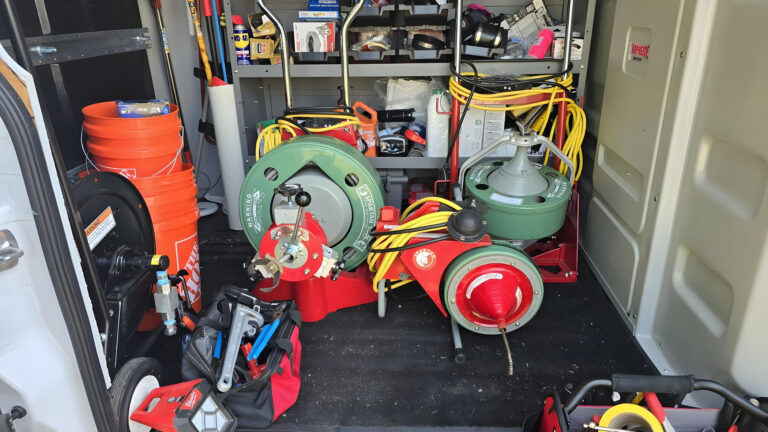
Drain excavation refers to the digging of holes to gain access to underground drain or sewer pipes for purposes of repair, replacement or installation. Required during the situation of a pipe is collapsed, shifted from its position, suffers from serious structural damage, or requires another route/slope. If the water is slow to drain or keeps clogging up, this does not mean that excavation is needed. The decision must be based on a pipe condition assessment and what pipe repair options are available.
The first step for Barnegat and Ocean County homes and businesses facing a problem is to find out what is going wrong below the earth’s surface. A blockage may be resolved by cleaning, a broken pipe may need fixing. This knowledge is useful in order to appreciate the need for digging and what it is meant to solve.
Key Takeaway
- Drainage excavation means digging to access underground pipes for repair, replacement, or installation.
- Severe pipe damage, collapsed sections, or incorrect slope may require excavation. A recurring clog alone does not confirm the need to dig.
- An inspection helps determine the right repair. Camera findings and site conditions guide the scope of work.
- Drain cleaning or trenchless methods may be alternatives, depending on the pipe’s condition and the cause of the problem.
- Cost and timing depend on depth, access, repair length, and restoration. Confirm what the written estimate includes before approving excavation.
What does drainage excavation involve?
The crew digs up soil and, if needed, pieces of the concrete/asphalt to reveal a pipe that is buried. If the pipe can be accessed, they are able to cut away a damaged portion, replace it with another pipe or straighten it.
Size of excavation varies according to the problem. If it is a localized defect, it could require a minimal access area. If a damage line occurs, a longer trench might be necessary. The assessment should determine the extent of the pipe that requires attention prior to the work starting.
It can also be used for digging a yard drainage system to regulate the runoff of rainwater. Those projects are not as intended as the repair of a wastewater sewer line. This article will deal with underground drain and sewer pipe work.
When is drainage excavation needed?
When repairing is to be done directly on the pipe or on the surrounding ground, excavation is a consideration. The EPA Guidance on Sewer Excavation and Replacement identifies severe deterioration and significant misalignment as some of the conditions.
Collapsed or severely damaged pipes
An obstructed pipe will no longer permit a free flow of wastewater. Other broken areas can allow soil to penetrate the line as well.
Cleaning a drain will not fix a broken or damaged pipe. The plumber needs to determine the damage and determine if it can be replaced by direct excavation or an appropriate alternative
Misaligned joints or an incorrect slope
Drain pipes that carry wastewater by gravity need a suitable slope. If a section settles, it can create a low area where water and debris collect. Shifted joints can also interfere with flow.
Cleaning may remove accumulated material without correcting the underlying position of the pipe. Where the repair requires resetting the pipe and its supporting material, excavation provides access to do that work.
Root intrusion with pipe damage
Gravity-fed drain pipes must go at an appropriate gradient. When a section settles, it could form a low point where water and debris stagnate. Joints can be shifted, which can also create flow restriction.
The situation with cleaning may be that material has accumulated, but the pipe has not been moved back into position. If the repair involves resetting the pipe and the material that surrounds it, excavation can be used to gain access to the pipe.
Installing or rerouting a drain
The presence of roots in a drain does not always indicate a need to replace the drain. What is important is how did they get in and what is the state of the pipe?
Removing roots may reopen the passage. However, if there is an open joint or damaged area, this may require repair too. The question of whether a local repair, lining or excavation is appropriate should be answered by the inspection.
Warning signs that an underground drain needs inspection
If there are recurring backups, they are worth investigating as the same issue might occur again after cleaning. A slow drainage over multiple fixtures can also indicate a blockage in a common pipe.
Reporting of other symptoms is also helpful, such as unusual foul odors of sewage, wet ground near a covered drain or settlement on the suspected pipe route. These observations are used to inform an inspection but are not the sole evidence for determining a cause. For instance, wet ground may not be related to the sewer pipe.
Provide details to the plumber, such as affected fixtures, when it occurs, and what has been done previously. When making a decision about what to investigate next, it’s helpful to have information about a history of repeated cleaning.
How plumbers determine whether digging is necessary
The diagnosis begins with the signs and symptoms and with the parts of the drainage system that are available. A camera inspection can be used to see if there is damage, roots or obstructions within the line.
The capabilities of the camera are constrained. A heavy buildup or water trapped in the pipe or total pipe blockage can occur and make it difficult for the camera to pass through or obscure part of the pipe. Until the condition of the line is clear, some cleaning or another assessment might be needed.
The plumber must also be able to determine the area that is affected and determine surface access. A condition under a lawn will require different access needs than a condition under a driveway or building.
Request and review all findings prior to approving excavations. The explanation should pinpoint the issue, where the issue is located, and how the proposed repair fixes the issue. It should also differentiate between the areas already identified as damaged and the area which will be difficult to inspect.
Can drain cleaning or trenchless repair solve the problem?
If a pipe is serviceable but plumbing water buildup (such as grease, sludge and other material that can be cleaned) is causing blockage, then it may require cleaning. The technique should be appropriate for the pipe and obstruction.
A different decision is needed if there is structural damage. Depending on the conditions of the existing line and site, the trenchless methods may involve lining or replacing the pipe with pipe bursting. These techniques will minimize surface excavation (but access pits may be required).
Not all issues can be solved with trenchless repair. The range of choices depends on pipe condition, pipe alignment, the presence of other utilities in the vicinity, and access. Inquire about the uses of other methods considered and the reasons for the selection of a specific method. Availability is also dependent upon the contractor.
What to expect during drainage excavation
The contractor needs to establish the scope of work, allow for the scheduling of utility locating and determine if the work needs to be approved or inspected prior to the start of work. The scope should be written and describe to them how the work will impact access to your property.
The crew then prepares the site, and digs to expose the pipe. This could include paving removal or working around nearby structures – depending on location.
The crew then repairs or replaces the pipe as necessary and then inspects the job and covers it when the job is finished. Backfilling is then carried out with appropriate material and compaction in the area where necessary.
A discussion of surface restoration is warranted. Resolving issues of soil replacement differs from repairing a concrete driveway, paver walkway or planted area. Check what work is covered and if there is any plastering to be done later it must be discussed with another plumber.
If you can, ask if you can use sinks, toilets, etc. during the repair. The solution will vary according to the section which is out of service, and the way the work is managed.
What affects the cost and timeline?
Digging is just a portion of the cost. The scope can vary significantly depending on pipe depth, equipment access and repair length. Work can be added due to groundwater or difficult ground.
Surface removal and surface restoration is also important. It might be easier to pull the pipe under open ground than it would be under a completed driveway. The type and nature of equipment and methods that the crew may apply may be constrained by near-by utilities or structures.
The timing will be based on preparation and repair. The final surface work, along with utility locating, approvals and inspections, may be conducted on separate days.
Ask for an estimate that breaks down the pipe repair cost from the excavation and restoration for as long as possible. Discussing with the person what might make the price change once the pipe is uncovered and how more work would be documented.
Questions to ask before approving excavation
A useful proposal should leave you clear about the problem and the work you are purchasing. Ask:
- What findings show that excavation is needed?
- Can the repair be limited to the damaged section?
- Which cleaning or trenchless options were considered?
- Does the estimate include removal of debris, backfilling, and surface restoration?
- How will unexpected damage or a change in scope be handled?
- When will plumbing service and normal property access be restored?
Keep the written estimate and any inspection findings together. They provide a record of the original diagnosis and agreed scope.
Drainage inspections and repairs in Barnegat and Ocean County
Crest Plumbing provides sewer inspections, drain cleaning, and drain pipe repair and replacement for homes and businesses in Barnegat and throughout Ocean County. Its services also include excavation and restoration of surfaces affected by plumbing work. 24/7 Emergency Plumber in Barnegat, NJ
If a drain keeps backing up or an underground pipe may be damaged, arrange an assessment before committing to excavation. Contact Crest Plumbing at (877) 939-2122 to discuss the problem and request a free estimate.