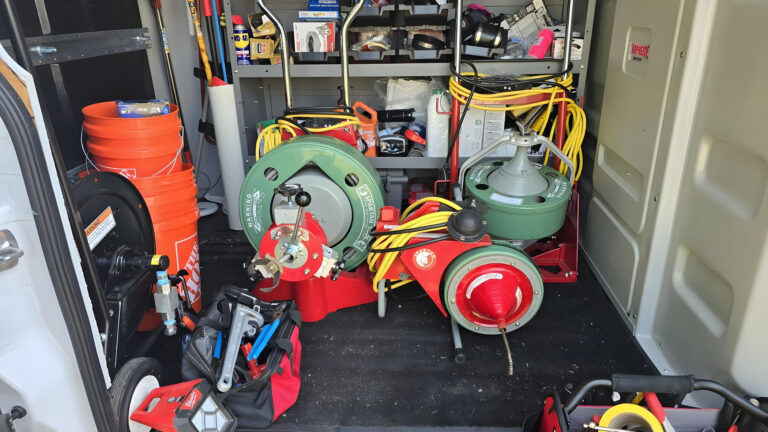
What is leak detection? Leak detection is the process of finding where water is escaping from a plumbing system. It helps locate leaks in exposed pipes, behind walls, beneath floors, and in underground water lines. A plumber inspects the affected area and uses appropriate tests to narrow down the source before recommending a repair.
A wet ceiling or a higher water bill can suggest a problem, but neither tells you exactly where the leak starts. Water can travel along pipes and building materials before becoming visible. Finding the source helps determine which part needs repair and where access is necessary.
Signs you may need leak detection
There are some leaks that are easy to see. Can be seen, the faucet is dripping, water build up is under the sink. Others are only discovered when they are exposed by changes in water use or damage to the building materials.
Be alert for any unexplained rise in water use, wet cabinets, ceiling stains, peeling paint, or wet areas that reoccur. Running water may also be heard when it is turned off.
A leak may also have a corresponding drop in water pressure; however, there are other reasons for a decrease in water pressure. A problem at one faucet could just be that faucet and a change throughout the property requires a larger investigation. If a pipe is leaking, you cannot determine the cause of the leak by simply measuring the pressure.
Record when the symptoms appear. A damp area that gets wet after showering might need other checks to a wet area that remains wet throughout the day. Notify the plumber of recent repairs and if the issue fluctuates based on the rainy weather or not.
How plumbing leak detection works
The inspection starts with what you have noticed. Describe the onset, which rooms are affected and if the water seeps out or not while a fixture is running.
A plumber inspects visible plumbing joints and examines for water flow. An investigation can be an inspection of the supply pipe, drain connection, fixture, or any other source of moisture depending on symptoms.
Water-meter readings can be used to help determine if water is flowing through the water meter when it should not be. EPA recommends measuring readings before and after a 2 hour period of no water usage. If there is a change, it may be a sign of leakage. Water consuming equipment must also be taken into consideration.
The leak check does not detect the leaking pipe. More may be needed to help determine the affected area and then a town.
When the plumber has sufficient evidence, the plumber tells you about it, and what further access, if any, is needed. At an exposed connection, some leaks can be identified at a minimum. Others need to cut open a limited space to be able to check the pipe directly.
Equipment used to locate hidden leaks
The equipment is based on pipe, condition and symptoms. Only a specific plumbing tool can detect all plumbing leaks.
Acoustic listening equipment
A technician uses the acoustic equipment to listen for sounds of water that may be coming from a pressurized pipe. Can help determine a suspected leak if the pipe is hidden.
The usefulness of the readings is influenced by pipeline material, background noise and site conditions. Sound measurements should be used in conjunction with other findings.
Moisture meters
Moisture meters can be used to determine the moisture levels in construction materials. Reading comparisons over the area that may be affected will aid in determining the extent of dampness.
A moisture reading is not an answer to the question of “how is it wet?Moisture reading does not reflect “how is it wet? The plumber must still check the area to see if there is any other possible source except a plumbing leak.
Thermal imaging
The thermal imaging will reveal areas that might have temperature differences which would indicate a closer look is needed. They are not able to “see” through a wall, and they don’t reveal water inside a pipe.
According to FLIR, temperature patterns can provide moisture-related information. Those clues must be further investigated; an individual thermal image is not sufficient to identify the source. Flir
Pressure testing
A plumber can tend to the stress in a detached part of the piping and determine if there is pressure in the concentrate. If there is a pressure loss then more investigation of that section can be carried out.
This can help eliminate some of the items to look at but does not necessarily point you to the actual fitting or damage. The test methods should be appropriate for the system being tested.
Where plumbing leaks can occur
Leaks frequently occur at various fixture supply lines, under sinks, and around shutoff valves. Items may be accessible, but early signs may be hidden by items stored or cabinets.
Undetected leaks are more difficult to trace. Water can run down from a pipe above some ceilings before it stains. You can’t get rid of the stained surface without fixing the plumbing issue.
Access issues differ for pipes under concrete slabs or with underground water lines. An inspection should determine the probable location before the subject of a repair approach can be discussed.
However, the presence of an outdoor wet patch does not mean that there is a leak in an underground pipe. It is likely to be caused by rainfall, irrigation and drainage. Surrounding conditions are important.
Leak detection and leak repair are separate steps
Leak detection helps find the source or it helps to narrow down the area. Leak repair is the repair of the pipe, connection, valve or fixture with the damaged area.
If there is a looseness in the connection, there may be a need for minor repair. May have to replace a section of pipe if it is damaged. If you find a leak, that doesn’t necessarily mean the whole plumbing system is in need of replacement.
Request that the plumber provide a description of the issue identified, how to find the issue and why the repair suggested is appropriate to the problem. If a wall or floor needs to be opened, state the location and who is responsible for closing it.
Fixing the plumbing is not always sufficient to fix damage to wet drywall, flooring or insulation. Separate drying or restoration work may be required if the materials are in need of this.
What affects the cost of leak detection?
Cost will vary with the difficulty of the problem to find and any tests that need to be performed. A leaking pipe that shows itself is not the same scenario as a pipe that leaks occasionally under a complete floor.
Accessibility matters. In smaller areas, hidden pipes and there being more than one possible cause can make it more difficult to solve the problem. A leak that is only happening in these conditions could require more investigation.
Ask what the cost of the diagnostic is before making your reservation. Check if repairs are listed as separate and if there is any surface restoration, opening/excavation.
Crest Plumbing claims that they offer free estimates but consumers should check if they have to pay for a diagnostic fee if they are requesting an estimate for a specific job. An estimate and investigative testing does not always involve the same type of service.
Leak detection services in Barnegat and Ocean County
Crest Plumbing can help detect and fix home and business plumbing issues in Barnegat and Ocean County. Explain the observable indicators, when they began and if it is an ongoing process of water leaving.
Bring pictures and recent water use data if it will aid in the description of the problem. These can be used to assist in discussion, but may require an inspection on site.
Contact (877) 939-2122 to talk about possible leak or scheduled service. If there is an active leak, explain the urgency of the call, and confirm that the emergency part is in evidence.
Frequently asked questions
How do plumbers find hidden water leaks?
Plumbers combine visual inspection with tests suited to the suspected leak. These may include water-meter checks, moisture measurements, acoustic listening, thermal imaging, or pressure testing. The method depends on the plumbing and access conditions.
Can you have a water leak without seeing water?
Yes. A leak may remain inside a wall, beneath a floor, or underground. Unexplained water use or running-water sounds can provide clues before visible damage appears.
Does leak detection require opening walls or floors?
Not always. Inspection and testing can sometimes narrow down the source before surfaces are opened. Direct access may still be needed to confirm the fault or complete the repair.
Can a higher water bill indicate a hidden leak?
Yes, especially if water consumption increased without a change in household use. Check the usage figures as well as the amount charged, since a higher bill alone does not prove a leak.
What happens after a plumber finds the leak?
The plumber explains the findings and recommends a repair. Before approving the work, confirm the scope, access requirements, price, and responsibility for restoring affected surfaces.
Is leak repair included in leak detection?
It depends on the quoted service. Detection and repair may be charged separately. Ask what is included before the visit and request approval of additional work before it begins.