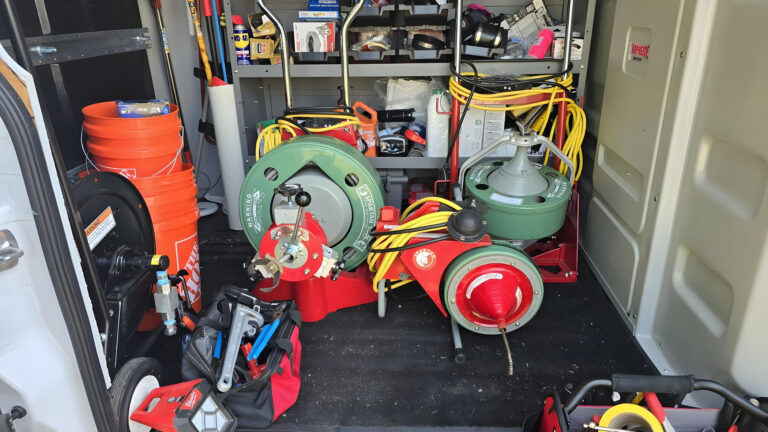
Regular grease trap cleaning is essential for any restaurant or commercial kitchen to ensure their plumbing operates as intended. Fats, oils, grease and food debris can get trapped in the grease trap inside kitchen drains and can cause slow draining, foul odors and overflows. These issues can cause disruption of these services and expensive plumbing repairs in a business that relies on its kitchen daily.
If you are searching for “commercial grease trap cleaning near me” because your grease trap needs cleaning, your drains are getting clogged or you are looking to avoid any plumbing issue that can end up ruining your business, then it is a wise choice. Crest Plumbing is a commercial plumbing company servicing Barnegat, NJ and the surrounding areas in Ocean County, NJ including the installation, cleaning and maintenance of grease traps.
Knowing what to expect from a grease trap service, when it should be cleaned and the work performed can mean you have a safer and reliable commercial kitchen.
What Is a Commercial Grease Trap?
A grease trap used for commercial purposes is a plumbing system that recaptures fats, oils, grease and a portion of food solids before they go into the building’s plumbing system and into the public sewer system. It’s typically used in restaurants, cafeterias, hotels, catering events, and other food service providers.
When wastewater enters the trap, its flow slows down. The heavier food particles sink to the bottom, and grease and oil float on the water’s surface. The rest of the wastewater flow passes through the drainage system.
These measures help to reduce the amount of grease entering sewer pipes. But the capacity of a grease trap is limited. Grease and solid waste build up makes the device less efficient and needs to be cleaned.
There are various ways to remove grease. Smaller grease traps can be placed under a kitchen sink or under kitchen appliances and larger grease interceptors are frequently placed outside the building or underground. The cleaning procedure will vary based on system size, design, location and condition.
Regular maintenance is important for both types. If not cleaned when necessary, a non-cleaned trap can let grease flow to downstream pipes, causing blockages and drainage issues.
Why Commercial Grease Trap Cleaning Is Important
Cleaning a grease trap is not something that can be done once and for all. It is a vital component of any plumbing system, particularly in restaurants, institutions and other places where significant amounts of food are being prepared.
1. Prevents Drain Clogs and Sewer Backups
If a drain pipe exceeds, does not maintain, or does not operate correctly, grease can be trapped in the pipe system that then accumulates within the drain pipe. Over time, this buildup can “clog” wastewater pathways and may lead to repeated clogs.
Clogged kitchen drain can also impact dish washing stations, floor drains and related fixtures. More severe cases can lead to a backup of the water into spaces where food is cooked or dishes washed.
Accumulated grease and food solids are removed from the trap by professional cleaning. If pipes had a lot of buildup in them to begin with, then they might need further inspection or cleaning.
2. Helps Control Unpleasant Odors
Grease, food waste and other organic matter can give off strong odors when the materials decompose. These odors can travel through the trap to the kitchen, storage spaces or adjacent customer spaces.
A smell can easily be noticed if a trap is not cleaned regularly or if a component is damaged, unsealed, or if it does not work like it is supposed to.
Odors from accumulated wastes can be helped by cleaning the trap and is an easy job to check the areas accessible. If a strong odor persists after, a plumber might have to look into venting, drain lines, seals or other potential areas of cause.
3. Reduces Unexpected Business Disruptions
Restaurants have schedules.Restaurants have operating hours. Drainage issues during lunch or dinner service can make it difficult to wash equipment and clean utensils and be able to proceed with normal kitchen operations.
Sometimes the backup of wastewater can be so bad that part of the kitchen must be shut down until the issue is resolved.
Finding the right time to conduct the necessary grease trap maintenance will minimize the chances of unnecessary interruptions. It also allows business owners to anticipate any issues that may arise and seek solutions to them before they become critical to deal with.
4. Supports Sanitation and Regulatory Compliance
Plumbing codes, sewer use regulations and local wastewater regulations may require installation and maintenance of grease traps or interceptors by a food service business.
Specific needs will vary with respect to the municipality and type of facility. How often you clean, how you keep records, where your garbage goes and what type of inspections are required can differ, so check the rules for your business that will apply to your place of business.
A good maintenance log will help to show that the grease removal system is being properly maintained. It also helps to keep track of when maintenance needs to be performed and helps to set up the maintenance schedule more easily.
5. Helps Protect Drainage Infrastructure
This grease can mix with other waste, resulting in plugging of private sanitary sewer pipes and public wastewater pipes (maintenance structures). These issues may need more comprehensive cleaning and repairs.
A well-maintained grease trap can minimize grease that is released during a commercial kitchen operation. It is not a solution to all potential drainage issues, but a key component to good wastewater management practices
Signs Your Business Needs a Grease Trap Cleaning Service
Not all grease trap is visible as it approaches its limit of capacity. Therefore, maintenance should be done according to the state of your equipment needs and usage patterns instead of waiting until there are problems with it completely blocked out.
Check out these warning signals.
Slow Kitchen Drains
Grease accumulation might be due to slow draining from sinks, dishwashers, or connected pipes. Full traps may be another reason for this issue while there could also be an obstruction further along your pipe system that causes it to behave like a clogged trap.
The repeated slow draining process needs to be studied instead of being considered a separate problem.
Grease Strong Smell of Sewers.
Persistent odors near the grease trap or kitchen drain could be due to accumulated waste, poor sealing, venting problems, or other plumbing issues. Cleaning might be able to solve this problem because of buildup.
Unusual Gurgling/Noise from drain pipes.
The gurgling sound may be caused by a restriction on water flow to drainage systems and abnormal movement of air within them. However, these noises don’t necessarily mean there’s a problem with the grease trap; they could be an indication for an inspection.
Wastewater Backups
A water backup to a sink, floor drain, or another bathroom appliance needs immediate care. In case of contamination by sewage workers must not touch it; they need to adhere strictly to the company’s hygiene rules.
An experienced plumber would be able to identify if it is due to a clogged grease trap, blocked pipes from drains or an issue with the plumbing system of your house.
Accumulated Grease / Neglected Maintenance.
The trap might have accumulated too much grease and food solids if it hasn’t been serviced as per its maintenance schedule. Visible accumulation of debris around accessible parts might be a sign for an inspection to take place.
Don’t wait to smell it out the first time you need a repair before booking services. Regular maintenance plans are usually simpler to handle compared with a sudden pipe burst issue.
What Does a Professional Commercial Grease Trap Cleaning Service Include?
It varies according to what kind of grease trap/interceptor is there for you. Nevertheless, an adequate service would also deal with accumulating garbage and check if it is functioning properly.
Grease trap inspection is done by us.
A technician identifies a type of trap, inspects it for accessibility issues and assesses its state. It will help to know if regular maintenance is adequate for repairs are required.
Grease Removal and Food Solidification Processes.
Accumulated grease, oil, and solid wastes should be removed to their respective places. For larger systems, it might require pumps for handling large amounts of waste.
Removing grease from a surface by itself might not work. The material on the floor and within a trap may impact both its size and efficiency.
Cleaning of Internal Components
According to its architecture, cleaning may involve an accessible baffle and other parts for separating grease from sewage. Follows manufacturer’s guidelines for maintenance needs as per their specifications.
Checking for Visible Problems
While working on a job, an electrician might find broken casings, worn gaskets, rusted parts, clogged pipes etc. Cleaning is not enough for fixing them; more work has to be done later on.
Waste Management and Disposal Procedures.
Grease and food solid waste should be removed from containers for proper disposal as per regulations. Waste from a commercial kitchen cannot just go down the sink as it could end up in an adjacent pipe network or sewer line.
Maintenance Recommendations
Ask about its current state of maintenance after cleaning; what was done during it; and when is the next appointment due. Service record keeping helps to keep up with regular servicing of equipment by businesses.
How Often Should a Commercial Grease Trap Be Cleaned?
No such thing as a universal cleanliness routine exists to be applied by all restaurants. Correct frequencies depend upon a trap’s size, quantity of cooked foods being prepared at once, level of oil that enters pipes through drains, and regional regulations.
Busy restaurants that fry food all day might require more frequent service compared to small cafés with limited cooking capacity. An extensive underground grease trap might have another maintenance schedule compared to a small one located under a sink.
A 25% accumulation rule applies to some local governments where the grease and solids should not exceed about one-fourth of their trapping ability before it needs to be cleaned out. But it’s not an absolute law; there might be more stringent regulations at that place.
Business owners should consider the following when setting a cleaning schedule:
- Kitchen volume: Restaurants serving hundreds of meals daily may accumulate grease faster than smaller establishments.
- Menu and cooking methods: Deep-frying, grilling, and preparing fatty foods can increase grease entering the drainage system.
- Trap size: Smaller units may fill more quickly and require more frequent cleaning.
- Previous plumbing problems: Recurring clogs or backups may indicate that the existing maintenance schedule needs adjustment.
- Local regulations: Applicable municipal requirements and manufacturer instructions should guide the schedule.
A professional plumber can help assess your system and recommend a practical maintenance interval. It is better to establish a schedule based on actual operating conditions than to rely on a fixed interval without considering how your kitchen uses the system.
How to Choose a Commercial Grease Trap Cleaning Service Near Me
While looking up an online business to clean your commercial grease traps from here on out, don’t just go by that initial search result. Choose an organization that understands commercial plumbing systems, provides information about them to customers for better understanding their needs, helps solve issues related to recurrent problems if needed.
Select an experienced company for commercial plumbing services.
Plumbing requirements for commercial kitchens are different from those of a home residence. Grease trap capacity is greater than that of their counterparts while a drainage issue could affect multiple appliances simultaneously.
Find an organization to handle industrial grease trap and drain interception services; knowledge about plumbing networks is required so they know if there are problems needing more than regular maintenance.
What is Included by a Cleaning Service.
Ask about services before booking a time slot for you. Determine if a technician is going to clean up oil buildup and debris from equipment parts; check for accessibility issues of machinery as well as leaks/drainage problems.
Also, please specify if pumping, waste disposal, extra drainage cleaning services and repair work is charged at quote time versus being billed on a per-service basis.
Check Licensing and Insurance
The commercial plumber must do it properly by an experienced person. Verify if you have all necessary permits/licenses and insurance to do business here.
This information is particularly useful for fixing/replacing pipes/grease traps and resolving larger issues related to water management systems.
Reliability of scheduling and emergency support services.
Grease traps may be a problem during off-hours of operation. In case of an emergency in your kitchen, it might not be feasible to wait till tomorrow for repairs.
Is there an emergency commercial plumber available to you? Scheduling regular maintenance visits during business hours whenever feasible would help minimize disruptions.
Request a Clear Estimate
Cost to clean a grease trap is determined by its size, location, accessibility level, volume of waste collected during installation time period as well as required tools/equipment used while doing so.
An indoor unit is smaller in size compared to an underground interceptor. Should there be any repair work required by this machine as well as an extra drain cleaner service it would add to its price tag.
Get a quote for estimating how much it will cost to do this job along with any extra fees before we authorize your order.
Commercial Grease Trap Cleaning Services in Barnegat, NJ, and Ocean County
Restaurants and food service companies of Barnegat and nearby Ocean County residents would benefit from having an established relationship with their local plumber for regular upkeep and repair needs.
Crest Plumbing provides business plumbing services such as restaurant plumbing work like installing a grease trap system, cleaning it up or fixing any problems that may arise from its use. Also offers commercial maintenance, sewer and drainage services as well as emergency plumber assistance.
The company serves customers in Barnegat, Waretown, Manahawkin, Stafford Township, Toms River, Forked River, Little Egg Harbor, Beach Haven, and many others within Ocean County as well as on the Jersey Shore.
If your grease trap requires repair, or if it’s unclear to you what kind of services should be provided by a plumber at this time, then Crest Plumbing would like to assist in discussing an appropriate plan for servicing your business facility.
Go to Crest Plumbing for information on their services; you can also call (877) 939-2122 to ask about commercial grease trap cleaning, installation, or repair.
How Businesses Can Reduce Grease Trap Problems Between Cleanings
Professional cleaning is important, but daily kitchen practices also affect how quickly grease traps accumulate waste.
A few basic procedures can help reduce unnecessary grease entering the drainage system.
- Collect cooking grease separately. Allow used cooking oil and grease to cool, then place them in suitable collection containers for proper disposal. Do not pour them into sinks or floor drains.
- Scrape food waste into the trash. Remove food scraps from plates, cookware, and utensils before washing them.
- Train kitchen employees. Make sure staff understand which materials should not enter the drainage system.
- Avoid relying on chemical additives. Do not use grease-dissolving chemicals or other additives unless their use is specifically approved for the installed system and permitted by applicable regulations. Some products can move grease farther into the drainage network rather than remove it.
- Keep maintenance records. Record service dates, observations, and recommendations so you can identify patterns and plan future appointments.
- Investigate recurring drainage problems. If clogs continue after cleaning, ask a plumber to inspect the connected drain lines and determine whether another issue is present.
These steps do not replace professional maintenance. They help support the grease trap’s operation and can make it easier to maintain a consistent service schedule.
Frequently Asked Questions About Commercial Grease Trap Cleaning
How much does commercial grease trap cleaning cost?
The price varies according to the size and location of the trap, the amount of waste, accessibility, pumping requirements, and any additional plumbing work. Contact a local provider for an estimate based on your specific system.
Can a restaurant clean its own grease trap?
Some smaller systems may be maintained by trained personnel when permitted by the manufacturer and local regulations. Larger interceptors often require specialized pumping equipment and appropriate waste-handling procedures. Businesses should confirm their responsibilities and requirements before attempting the work themselves.
What happens if a grease trap is not cleaned regularly?
Accumulated grease and solids can reduce the trap’s capacity and interfere with its operation. This may contribute to slow drains, unpleasant odors, backups, and blockages in connected pipes. Neglect can also create compliance concerns where maintenance is required by local regulations.
Does grease trap cleaning fix a clogged kitchen drain?
It can resolve a blockage caused by an overloaded or poorly maintained grease trap. However, a clog farther down the drain line may require separate cleaning or inspection. If the problem continues after the trap is serviced, a plumber should investigate the connected plumbing system.
Do businesses need to keep grease trap cleaning records?
Recordkeeping requirements vary by location. Even where specific records are not required, keeping service dates, receipts, and maintenance notes is a useful way to track the system’s condition and demonstrate that maintenance has been performed.
When should I call for emergency grease trap service?
Contact a commercial plumber promptly if wastewater backs up into kitchen fixtures, multiple drains stop working, or the problem interferes with safe kitchen operations. Avoid contact with contaminated wastewater and follow your establishment’s sanitation procedures while waiting for professional assistance.