If a clogged floor drain is in the basement, it can be a major problem very quickly. You might initially see water trickling out, a foul odor from the drain or a bit of water in the floor around the drain opening. However, if the blockage worsens, sewage can back up into the basement and result in water damage, sanitation issues and costly repairs.
There are a couple basement floor drain clogs that can be fixed with simple tools at home. If the blockage happens regularly and/or is severe, however, it could be a sign of a more serious drain or sewer issue.
Once you’re facing a blocked basement floor drain in Barnegat, NJ or any other Ocean County area, it’s essential to be able to pronounce the cause of the problem and understand when a professional is required to prevent an even larger mess.
What Causes a Basement Floor Drain to Clog?
Over time different types of debris and buildup can collect in basement floor drains. The drain will often be joined to a much larger drainage system and there may also be a blockage further down the drain.
Dirt, Mud, and Debris
A basement is a place where dirt, dust, mud, and other debris can be found. These materials get deposited in the floor drain, clogging it and impeding the flow of water.
This can be particularly common in unfinished basements, garages, utility areas, and in rooms where outdoor debris may be tracked in.
Hair, Soap, and Household Buildup
Personal water—used in the home—can carry small particles into a drainage system attached to the floor, although the amount of hair and soap that goes into the drainage system from a floor drain is not as great as from a bathroom drain. With time, the material may adhere to the pipe’s inner walls and cause a clog.
Grease and Sludge
Substances such as grease, oils, and other materials can cause pipes to become hardened. When the buildup begins to adhere to the walls of the pipe, other materials can get caught up in the buildup and cause a greater obstruction.
Tree Roots
Tree roots may work their way into underground sewer and drain pipes through small cracks and damaged joints. Roots may grow when inside and interfere with wastewater circulation.
When a basement floor drain has continued problems clogging after cleaning, it may be due to roots or another underground pipe problem.
Damaged or Collapsed Pipes
A damaged, cracked, or collapsed drain pipe can prevent water from flowing properly. In these situations, plunging or using a basic drain snake may only provide temporary relief.
Sewer Line Backups
Sometimes the floor drain isn’t the actual source of the problem.
If several plumbing fixtures are draining slowly or wastewater is coming up through the basement floor drain, the issue could be farther down the main sewer or drainage line.
Signs You Have a Serious Basement Floor Drain Problem
Not every clogged drain requires an emergency plumber. However, certain warning signs indicate that the problem may be larger than a simple blockage.
Watch for:
- Water draining very slowly
- Standing water around the floor drain
- Sewage or foul odors
- Gurgling sounds from drains
- Water backing up when another fixture is used
- Multiple drains becoming slow at the same time
- Recurring basement floor drain clogs
- Dirty or sewage-contaminated water coming through the drain
- Water backing up during heavy rain
If the same clog keeps returning after you clear it, don’t assume you simply need to clean the drain again. The recurring blockage may be caused by a deeper plumbing or sewer issue.
How to Fix a Basement Clogged Floor Drain
If the blockage appears minor and there is no sewage backup, you can try several basic methods before calling a plumber.
1. Remove and Clean the Drain Cover
Start by carefully removing the floor drain cover.
Use gloves and remove visible dirt, hair, debris, or other material around the opening. Don’t push debris farther down into the pipe.
Once the drain opening is clean, check whether water begins flowing normally.
2. Try Hot Water for Minor Buildup
Hot water may help loosen some types of buildup inside the drain.
Pour it slowly into the drain and watch how quickly the water disappears.
However, hot water won’t solve every type of clog. It will not repair a damaged pipe or remove serious root intrusion, for example.
3. Use a Plunger
A plunger can sometimes break up or move a localized blockage.
Add enough water around the drain to create a good seal. Place the plunger over the opening and use firm, controlled plunges.
After several attempts, remove the plunger and see whether the water begins draining.
4. Try a Drain Snake
A drain snake can help reach blockages farther inside the pipe.
Feed the snake slowly into the drain. When you encounter resistance, work the tool carefully rather than forcing it.
A basic household snake can be useful for smaller clogs, but deeper blockages may require professional equipment.
5. Flush and Test the Drain
After attempting to clear the clog, run water through the drain and watch what happens.
If the water drains quickly and doesn’t back up, the blockage may have been successfully cleared.
If the water remains slow, rises again, or backs up after another fixture is used, there may be a deeper problem.
When DIY Methods Don’t Fix a Clogged Basement Floor Drain
DIY drain cleaning can make sense when you are dealing with a small, isolated blockage.
The situation is different when:
- The drain is completely blocked.
- The clog keeps coming back.
- Several drains are affected.
- Sewage is backing up.
- A drain snake doesn’t clear the blockage.
- You notice strong sewage odors.
- The basement is at risk of flooding.
- You suspect a damaged sewer or drain pipe.
At this point, repeatedly using plungers or chemical drain cleaners may not solve the underlying problem.
A professional plumber can determine whether the issue is limited to the drain or connected to a larger sewer or drainage problem.
DIY Drain Cleaning vs. Professional Drain Cleaning
When deciding whether to handle a clogged basement floor drain yourself or call a plumber, the severity and cause of the blockage matter.
| DIY Drain Cleaning | Professional Drain Cleaning |
| Best for minor blockages | Better for stubborn or recurring clogs |
| Uses basic household tools | Uses professional drain-cleaning equipment |
| Limited visibility inside pipes | Can use camera inspection to investigate pipes |
| May provide temporary relief | Can identify the underlying cause |
| Difficult to address damaged pipes | Can repair or replace damaged drain lines |
| Usually focused on one drain | Can investigate connected sewer and drainage systems |
The goal isn’t always just to make the water disappear.
If a basement drain continues backing up, you want to know why it keeps happening.
Why Choose Crest Plumbing for a Basement Clogged Floor Drain?
When a basement floor drain is seriously clogged, choosing a plumbing company that can both clear the blockage and investigate the cause can save time and prevent repeat problems.
Crest Plumbing provides sewer and drain services for homeowners and businesses in Barnegat, NJ, and surrounding Ocean County communities.
Here is what makes professional service different from simply hiring someone to “snake the drain.”
24/7 Emergency Plumbing Service
Basement drain backups don’t always happen during convenient business hours.
A clogged floor drain can turn into a serious problem overnight, during a weekend, or when heavy water use causes the blockage to back up.
Crest Plumbing offers 24/7 emergency plumbing service, giving homeowners a local option when a drainage problem can’t wait.
Professional Drain-Cleaning Equipment
Some clogs are too deep or stubborn for a basic household drain snake.
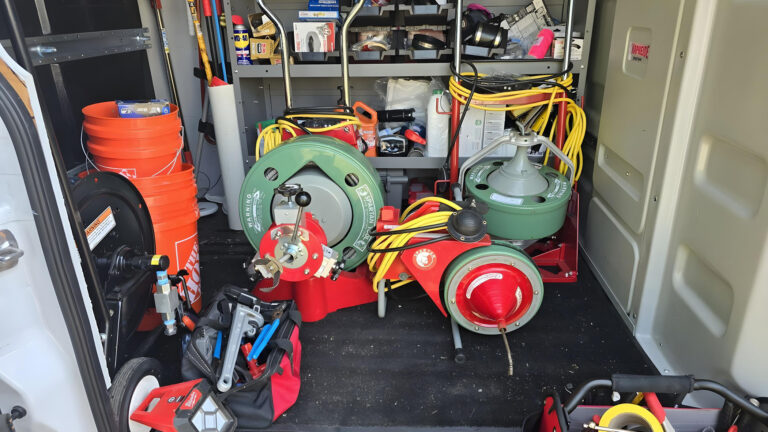
Crest Plumbing uses professional equipment designed to handle difficult drain and sewer problems, including electric snakes and hydro-jetting equipment.
The right equipment can help remove buildup more effectively while reducing the need to repeatedly treat the same blockage.
Camera Inspection for Deeper Problems
One of the biggest differences between basic clog removal and professional drain service is the ability to investigate what’s happening inside the pipe.
A camera inspection can help identify potential issues such as:
- Root intrusion
- Cracks
- Heavy buildup
- Damaged pipe sections
- Obstructions
- Other problems affecting drainage
This matters because a recurring clog isn’t always caused by something sitting near the drain opening.
We Look Beyond the Immediate Clog
A quick drain clearing may get water moving again, but it doesn’t necessarily explain why the drain became clogged.
Crest Plumbing approaches sewer and drain problems with the bigger picture in mind.
If the problem is related to a damaged drain pipe, sewer line, or another plumbing issue, identifying that problem early can help prevent another backup.
Drain Repair and Replacement When Needed
Sometimes cleaning isn’t enough.
If a drain pipe is damaged or deteriorated, the proper solution may involve repair, installation, or replacement.
Having a plumbing company that can handle both drain cleaning and drain pipe repair means you don’t necessarily have to start over with another contractor when a larger problem is discovered.
Licensed and Insured Plumbing Professionals
Your basement plumbing system is an important part of your home. When wastewater is involved, professional experience matters.
Crest Plumbing’s residential plumbing service emphasizes licensed, insured, and background-checked technicians.
That gives homeowners an additional level of confidence when dealing with plumbing problems inside their property.
Residential and Commercial Plumbing Experience
Basement drainage problems aren’t limited to houses.
Commercial properties can also experience clogged floor drains, backups, and sewer problems.
Crest Plumbing provides both residential and commercial plumbing services, allowing the company to handle different types of plumbing systems and drainage needs.
What Makes Crest Plumbing Different From a Basic Drain-Cleaning Company?
Not every plumbing company approaches a clogged basement floor drain the same way.
A basic drain-cleaning service may focus primarily on getting the water flowing again. That can be enough for a simple blockage.
But when a drain keeps backing up, you need to consider the possibility of a deeper problem.
With Crest Plumbing, homeowners can have access to:
- 24/7 emergency plumbing service
- Professional drain-cleaning equipment
- Sewer and drain services
- Camera inspection
- Drain pipe repair
- Drain pipe replacement
- Residential plumbing
- Commercial plumbing
- Licensed and insured professionals
The advantage is having one plumbing company capable of dealing with the problem beyond the initial clog.
Clear the blockage when possible. Find the cause when necessary. Repair the problem when cleaning isn’t enough.
That’s a more complete approach to basement drainage problems.
How to Prevent Another Basement Floor Drain Clog
Once you’ve cleared a clogged basement floor drain, prevention can help reduce the chance of another backup.
Keep Debris Away From the Drain
Avoid allowing dirt, mud, construction debris, and other materials to enter the floor drain.
Don’t Pour Grease Into Drains
Grease and oils can stick to pipe walls and contribute to buildup.
Keep the Drain Accessible
Don’t cover the floor drain with storage boxes or other items. You want to be able to identify a drainage problem quickly.
Pay Attention to Recurring Clogs
If the same drain repeatedly becomes clogged, don’t simply keep treating the symptom.
A recurring problem deserves professional inspection.
Consider Professional Drain Cleaning
Professional drain cleaning can help remove buildup that household methods may not reach.
For recurring problems, a camera inspection may also help determine whether the issue is related to the condition of the pipe itself.
When Is a Basement Floor Drain Backup an Emergency?
A basement floor drain backup can become an emergency when wastewater is entering the basement or the water level is rising quickly.
Call for professional help if you notice:
- Sewage coming through the floor drain
- Rapidly rising water
- Multiple drains backing up
- Strong sewage odors
- Repeated drain backups
- Suspected sewer-line failure
- Water approaching electrical equipment
If electrical equipment is near standing water, avoid entering the affected area and take appropriate safety precautions.
The longer wastewater remains in a basement, the greater the potential for property damage and sanitation concerns.
Basement Clogged Floor Drain FAQs
How do I unclog a basement floor drain?
For a minor clog, start by removing the drain cover and clearing visible debris. You can then try a plunger or drain snake. If the drain remains blocked or repeatedly backs up, professional drain cleaning may be necessary.
Why does my basement floor drain keep backing up?
A recurring backup may be caused by buildup, a deeper blockage, root intrusion, damaged pipes, or a sewer-line problem. If cleaning the drain only provides temporary relief, the underlying drainage system should be inspected.
Can I use a chemical drain cleaner in a basement floor drain?
Chemical drain cleaners aren’t appropriate for every plumbing system or blockage. They may also fail to address problems such as damaged pipes or root intrusion. For a serious or recurring clog, professional diagnosis is a safer approach.
How do I know if my basement drain has a sewer-line problem?
Multiple slow drains, sewage odors, gurgling, and wastewater backing up through the basement floor drain can indicate a problem farther down the drainage or sewer system.
Should I call a plumber for a clogged basement floor drain?
If a simple plunger or drain snake doesn’t solve the problem, or if the clog keeps returning, calling a plumber is a good idea. Professional equipment and inspection can help determine whether the issue is deeper in the system.
Can a plumber use a camera to find the cause of a basement drain clog?
Yes. A plumbing camera can inspect the inside of a drain or sewer pipe and help identify obstructions, root intrusion, cracks, heavy buildup, and other potential problems.
How can I prevent basement floor drain backups?
Keep debris and grease out of the drainage system, address slow drains early, and have recurring blockages professionally inspected. Identifying the cause of a recurring clog can help prevent future backups.
Need Help With a Clogged Basement Floor Drain?
If the floor drains in your basement keep backing up, it could be a sign of a lot more trouble with the plumbing.
When simple solutions such as plunging do not work, and the clog is even worse or when wastewater is backing up into the basement, professional assistance can help avoid the problem from escalating.
Crest Plumbing offers expert services for drainage and sewerage in Barnegat, NJ, as well as with their emergency plumbing, repair and replace drainage services across Barnegat and the surrounding Ocean County areas.
If the basement floor drain is clogged and requires a professional service, give Crest Plumbing a call (877) 939-2122.