Typically, the first symptom of a clogged bathroom sink drain is that water backs up into the drain at a slower than normal rate. Initially, the drain may continue to drain for a couple seconds. Then, you stand over the toilet while you brush your teeth, wash your hands, or get a haircut, and all the water stagnates. As the blockage worsens, the sink might become completely clogged.
Fortunately, there are lots of bathroom sink clogs you can unclog without an instant call to the plumber. Typical debris that accumulates around the drain plug and in the trap includes hair, soap, toothpaste, shaving lotion, and more. It can be easy to clear these obstructions with some simple equipment.
But, it is crucial to understand where the blockage is and what the time of when a DIY is insufficient. If the clog is further up the line, it’s a backup again, or there are several slow drains, it may indicate a bigger plumbing issue.
What Causes a Bathroom Sink to Clog?
Bathroom sinks see a lot of material flowing through it which can accumulate over time. One of the most common causes is the hair, particularly when it passes through or massages around the stopper. A film of soap will build up on the inside of the pipe and will trap more soil.
Other shower products, like shaving cream, skin oils, and toothpaste can cause buildup as well. As time goes on, these substances may narrow the passage within the sewer pipe. There is still water flow, but it slows down.
Where the blockage occurs is important. If the sink drains slowly, but still functions, the blockage could be near the drain opening or the drain stopper. If the sink is completely clogged, the clog likely went further into the drain pipe or trap.
How to Unblock a Clogged Bathroom Sink Drain
Before starting, remove anything stored underneath the sink and place a bucket or shallow container below the drain trap. Even a sink that appears empty can hold water inside the trap.
Start with the simplest method and work your way toward more involved options.
1. Remove and Clean the Sink Stopper
The drain stopper is often one of the first places to check.
Bathroom sink stoppers can collect hair and soap residue underneath them. This material may not be visible from above, especially if the stopper sits close to the drain opening.
Depending on the sink, the stopper may lift out or be connected to a rod underneath the basin. If it is connected to the pop-up mechanism, look underneath the sink for the horizontal rod attached to the drain assembly.
Remove the stopper carefully and inspect it for hair and buildup. Clean it thoroughly with a brush or paper towel. Also clean around the drain opening before putting the stopper back.
Run some water afterward. If the sink drains normally, the blockage may have been limited to the stopper area.
2. Try a Sink Plunger
If cleaning the stopper does not solve the problem, a small cup-style sink plunger can help.
Do not use the plunger immediately without preparing the sink. If your bathroom sink has an overflow opening, cover it with a damp cloth. This helps create pressure in the drain instead of allowing air to escape through the overflow.
Add enough water to cover the bottom of the plunger cup. Place the plunger directly over the drain opening and make sure you have a good seal.
Push down and pull up several times with controlled movements. The goal is to create pressure changes inside the drain that can loosen the blockage.
After several attempts, remove the plunger and see whether the water begins to drain. If it does, run hot tap water through the sink for a short period to help carry away loosened residue.
If the sink remains completely blocked, move to the next method.
3. Clean the P-Trap
The P-trap is the curved section of pipe underneath the bathroom sink. It holds a small amount of water and helps prevent sewer gases from entering the room.
It can also collect debris.
Place a bucket underneath the trap before loosening any connections. Depending on the plumbing configuration, you may be able to loosen the slip nuts by hand. If they are tight, use adjustable pliers carefully. Avoid putting excessive force on older plastic fittings because they can crack.
Once the trap is removed, empty the contents into the bucket. Look inside for hair, sludge, soap buildup, or other debris.
Clean the trap thoroughly and inspect it for cracks or damage. Also check the short section of pipe leading from the sink toward the trap. Once everything is clean, reinstall the trap and make sure the connections are secure.
Run water slowly at first and check underneath the sink for leaks.
If the sink now drains properly, the blockage was likely located in or around the trap.
4. Use a Drain Snake for a Deeper Clog
If the stopper and P-trap are clean but the sink is still clogged, the obstruction may be farther down the drain pipe.
A small hand-operated drain snake can sometimes reach these blockages. Feed the cable slowly into the drain pipe and turn the handle as you work it farther into the line.
When you feel resistance, do not immediately force the cable. Rotate it and work it back and forth to help catch or break through the material causing the blockage.
Pull the cable back carefully and inspect what comes out. You may find hair, accumulated residue, or other debris.
Repeat the process if necessary, then flush the drain with water and check whether the flow has improved.
For a basic bathroom sink clog, a small drain snake may be enough. A larger or deeper blockage may require professional drain cleaning equipment.
Should You Use Boiling Water?
Hot water can sometimes help with soap and greasy residue, but be careful with boiling water.
Many modern plumbing systems contain PVC or other plastic components. Pouring extremely hot or boiling water directly into a sink drain is not always the best approach, particularly if you are unsure what type of piping is installed.
Hot tap water is generally a safer option for flushing loosened residue after the blockage has been cleared. It should not be considered a replacement for physically removing a solid obstruction such as a large amount of hair.
What About Baking Soda and Vinegar?
Baking soda and vinegar are often recommended as a home drain-cleaning solution. They may help loosen some minor residue, but they are not reliable for every clogged bathroom sink.
A solid hair clog, for example, is unlikely to disappear simply because baking soda and vinegar were poured into the drain.
If you can physically remove the stopper, trap, or blockage, that is usually a more direct approach. For deeper blockages, mechanical drain cleaning is generally more effective.
Be Careful With Chemical Drain Cleaners
Chemical drain cleaners can be tempting when the sink is completely blocked. But they are not always the best first choice.
Some products contain highly corrosive chemicals that can damage plumbing components if used incorrectly. They can also create a safety problem if someone later opens the P-trap or works on the drain without knowing that chemical cleaner is still present.
Never mix different drain-cleaning chemicals together. Avoid combining commercial drain cleaners with other household products.
If you have already used a chemical drain cleaner and the sink is still blocked, tell the plumber before they begin working on the drain. This information is important for their safety.
How to Tell Where the Clog Is Located
The behavior of the sink can provide useful information.
If water drains slowly but does not stop completely, the blockage may be relatively close to the sink or in the trap.
If the sink suddenly stops draining after several days of becoming slower, a larger amount of debris may have accumulated.
If cleaning the stopper and P-trap makes no difference, the obstruction may be farther into the drain pipe.
There is another important warning sign: other fixtures draining slowly or backing up at the same time. If the bathroom sink, bathtub, toilet, or another nearby fixture is having drainage problems, the issue may extend beyond the individual sink.
That is when it makes sense to stop treating the problem as a simple sink clog.
When Should You Call a Professional Plumber?
A DIY approach is reasonable for a minor, isolated bathroom sink clog. But there are situations where professional drain cleaning is the better option.
Call a plumber if:
- The sink remains clogged after cleaning the stopper and P-trap.
- A drain snake cannot clear the blockage.
- The sink repeatedly becomes clogged after being cleaned.
- Multiple drains in the property are slow or backing up.
- You notice sewage odors coming from the drain.
- Water backs up into another fixture.
- The drain pipe is damaged or leaking.
- You suspect a clog is located deep inside the plumbing system.
- You are uncomfortable removing or working on the P-trap.
- You have already used chemical drain cleaner and the blockage remains.
Repeated clogs are especially worth investigating. Clearing the immediate blockage does not necessarily address why it keeps happening.
Professional Bathroom Sink Drain Cleaning
In cases where the sink has a deeper clog into the plumbing, a professional plumber’s expertise of the plumbing system can help determine the location of a clog and select the right equipment to clear it.
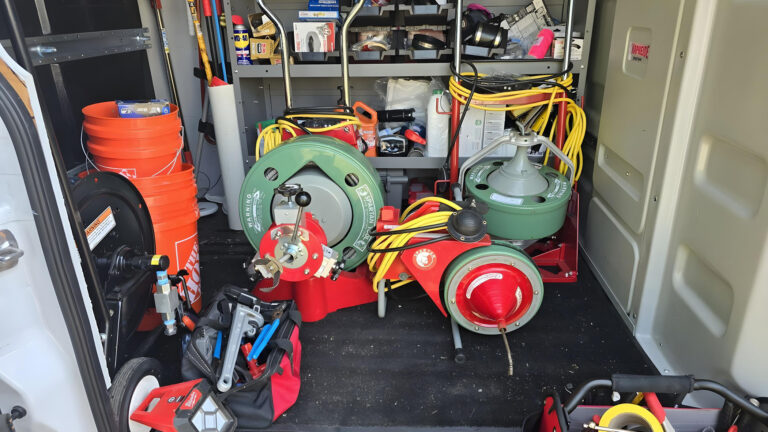
Crest Plumbing offers drain cleaning and sewer and drain services in Barnegat, and in the entire Ocean County, NJ area. Depending on the type and location of drain pipe issues, the company uses specialized tools to repair and/or clean the pipe, such as electric snakes, camera systems, and hydro jetters.
It is best to have a professional inspect the drain to see if the issue is just with the drain at the sink or whether it is farther down the drain pipe or part of a bigger sewer or drainage problem. Camera systems can be used to detect issues within the pipe, and mechanical equipment to unclog tougher blockages.
Crest Plumbing offers plumbing services to Barnegat, Waretown, Manahawkin, Stafford Township, Toms River, Forked River, Long Beach Island, Little Egg Harbor, Ship Bottom, Surf City and other communities in Ocean County. The company also has a 24/7 plumbing service, which can be used for emergency plumbing services.
How to Prevent Another Bathroom Sink Clog
If the drains are draining well again, there are a few simple things that can help minimize the risk of another clog.
Clean the stopper on a regular basis, first of all. It should not accumulate residue or hair under it.
A small screen drain at the edge of the sink can also prevent hair from getting into the drain. Regularly clean the screen to keep it from being a limitation, too.
Do not wash or clean large amounts of hair, cotton, paper products or other waste down the bathroom sink. They will add up even with small quantities if there is a soap residue and other accumulation.
Changes in drainage speed are also useful factors to consider. You have been receiving a warning early because a sink is taking longer and longer to empty. If a drain is clogged, it will be easier to treat it than if it is partially working.
When DIY Methods Fail: Professional Help for a Clogged Bathroom Sink Drain
If your bathroom sink drain has clogged due to a mere accumulation of soap scum, hair or debris, knowing how to unclog the clog can save time. First clean the stopper, then use a sink plunger. If necessary, inspect and clean the P-trap before using a small drain snake for a deeper blockage.
If the sink is still clogged, don’t force any of the home remedies. If there is a recurring clog or several slow drains, sewage smell or backup in other drains, it’s a sign of a problem deeper in the plumbing.
Crest Plumbing provides professional drain cleaning, drain pipe repair, sewer and drain services and emergency plumbing services for Barnegat and Ocean County homeowners 24 hours a day. Based in Barnegat, NJ, the company offers residential and commercial plumbing services in the vicinity.
Professional drain service can help resolve the issue and determine the cause of the clog if it is not resolved after basic cleaning even after multiple attempts.