When a clogged tub drain, it occurs most often as slow drainage. After the shower, water takes longer to drain, and starts pooling around your feet. If the blockage gets worse, the tub may eventually stop draining altogether.
It frequently happens due to hair, soap buildup, dirt, and other factors. The clog may be within the drain pipe, and cannot be cleaned from the outside by just cleaning the opening. If you know how to unclog a tub drain, you can avoid having to deal with a major plumbing issue by only fixing a minor blockage.
Key Takeaways
- Identify the cause early: Hair, soap scum, dirt, and debris are common causes of a clogged tub drain.
- Start with simple solutions: Clean the drain stopper, remove visible debris, use a plunger, and flush the drain with hot water.
- Use a drain snake when needed: A drain snake can help reach blockages deeper inside the drainpipe when basic methods do not work.
- Prevent future clogs: Install a drain hair catcher, clean the stopper regularly, keep heavy debris out of the drain, and address slow drainage early.
- Know when to call a professional: Recurring clogs, multiple slow drains, backups, foul odors, or a completely blocked tub may indicate a deeper plumbing problem requiring professional drain cleaning or inspection.
What Causes a Tub Drain to Clog?
It is important to first diagnose what is causing a tub drain to be clogged before attempting to unclog it. Bath tub clogs usually occur over a period of time, due to an accumulation of debris in the drainpipe.
Hair and Soap Scum
The most frequent cause of clogged drains in the tub is hair. Hair as it’s washed down the drain can tangle with other items or adhere to the inside of the pipe. This may leave soap in the hair that can clump together with the other material and cause a bigger obstruction.
This is the reason why a normal bath one week may take increasingly longer to drain in the long run.
Dirt and Debris
Everyday use of a drain can see small quantities of dirt, dead skin cells, bath products and other bits of debris getting trapped in the drain. Considerably, these materials can cause no immediate issue. However, over time, they can build up in pipes and can clog the water supply.
A Problem Deeper in the Drainpipe
Not all tub clogs are under the sink where the water drains. This blockage may ultimately form further down the drain pipe and could not be easily cleared with standard household tools.
With a tub that still has a slow drain after you’ve attempted some of the basic cleaners, you may need professional drain cleaning or inspection
How to Fix a Clogged Tub Drain
If your tub is draining very slowly, but there is still some water going through, there are some basic techniques to try. Start with the simplest solution, then proceed to more complex solutions.
1. Remove and Clean the Drain Stopper
If anything is visible in the drain, carefully pull it out. In some cases, a small tool for cleaning drains or plastic drain snakes can extend several inches, and will be able to retrieve hair that is obstructing the drain.
Never push the tool hard down into the drain. If strong resistance is encountered, back off and start again with another approach. Avoid excessive force as it can break some of the drain’s parts or push the blockage deeper into the pipe.
Once the debris is out, put hot water down the drain and see if the hot water flow improves.
2. Pull Out Visible Hair and Debris
If anything is visible in the drain, carefully pull it out. In some cases, a small tool for cleaning drains or plastic drain snakes can extend several inches, and will be able to retrieve hair that is obstructing the drain.
Never push the tool hard down into the drain. If strong resistance is encountered, back off and start again with another approach. Avoid excessive force as it can break some of the drain’s parts or push the blockage deeper into the pipe.
Once the debris is out, put hot water down the drain and see if the hot water flow improves.
3. Try a Plunger
A plunger will work if the clog is in close proximity to the tub drain and can be reached by the pressure.
Add enough water to the tub to cover the bottom of the plunger. Position the plunger over the drain and ensure that you have a proper (snug) fit.
Apply strong, but controlled plunger pumping a few times. Next take it away and check if the water flows quicker.
This may need to be done several times.
If there is an overflow hole cover with a damp cloth during plunging. This helps to prevent any air from escaping from the overflow and helps keep the pressure on the drain.
4. Flush the Drain With Hot Water
Hot water may help loosen soap residue and other buildup inside the drainpipe. Slowly pour hot water down the drain after removing as much visible debris as possible.
Be careful with extremely hot or boiling water, particularly if you are unsure what type of piping or plumbing components are installed. Very high temperatures may not be appropriate for every plumbing system.
Hot water can help with residue, but it will not necessarily remove a substantial physical blockage. If hair and debris are tightly packed inside the pipe, mechanical drain cleaning may be needed.
5. Use a Drain Snake
When a plunger does not solve the problem, a drain snake can sometimes reach the blockage.
Feed the cable into the drain slowly. When you feel resistance, work the tool carefully rather than forcing it. The goal is to break through or grab the material causing the obstruction.
After removing the blockage, run water through the tub to see whether drainage has improved.
If you are not comfortable using a drain snake, or if the tool does not clear the clog, it is better to stop rather than repeatedly forcing equipment into the pipe.
Should You Use Chemical Drain Cleaners?
Chemical drain cleaners may seem like an easy solution, but they are not always the best option for a clogged tub drain.
These products can contain strong chemicals that may create safety concerns during use. They can also be difficult to deal with if the drain remains clogged and a plumber later needs to work on the line.
If a chemical product has already been used, tell the plumber before they begin working on the drain.
For recurring or stubborn clogs, mechanical cleaning and proper diagnosis are generally more useful than repeatedly adding chemicals to the drain.
How to Know When a Tub Clog Needs Professional Drain Cleaning
A basic clog can sometimes be cleared with a stopper cleaning, plunger, or drain snake. But there are signs that the problem may be more serious.
Call a professional plumber if:
- The tub remains clogged after trying basic methods.
- The drain repeatedly becomes clogged.
- Several drains in the home are draining slowly.
- Water backs up into the tub when another fixture is used.
- You notice foul odors coming from the drain.
- The drain makes unusual gurgling sounds.
- Water is completely standing in the tub.
- You suspect the blockage is deep inside the drainpipe.
- You have tried to clear the clog but the problem keeps returning.
A recurring blockage deserves more attention than a one-time slow drain. Repeated clogs can indicate buildup farther down the line, damaged piping, or another drainage problem.
Professional Drain Cleaning for a Stubborn Clogged Tub Drain
When a tub drain cannot be cleared with basic methods, professional drain cleaning can provide a more thorough solution.
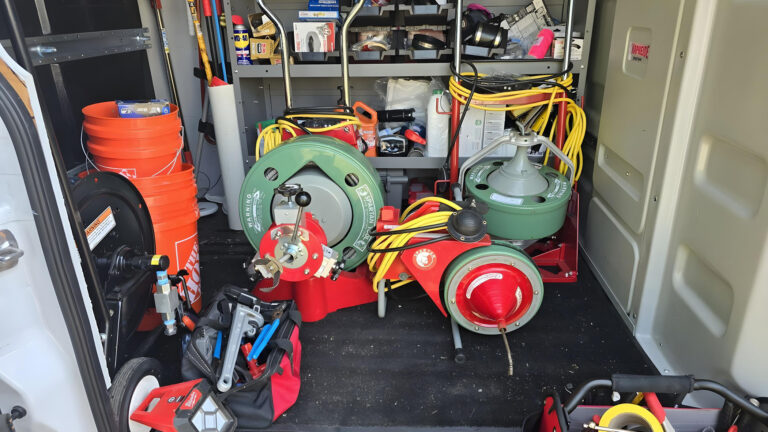
Crest Plumbing provides sewer and drain services in Barnegat, NJ and throughout Ocean County. The company offers drain cleaning as well as sewer inspection and diagnostics, drain pipe repair and cleaning, and drain pipe installation and replacement. Its website also notes the use of equipment such as electric snakes, hydro jetters, and camera systems for diagnosing and clearing difficult plumbing problems.
The right equipment depends on the type and location of the blockage. A plumber may use an electric snake to mechanically clear a stubborn obstruction. For certain buildup and difficult blockages, hydro jetting may be appropriate. A camera inspection can also help identify problems deeper inside the pipe instead of relying only on what can be seen at the tub drain.
This matters when the same drain keeps clogging. Clearing the immediate blockage without finding the underlying cause may only provide a temporary improvement.
How to Prevent Future Tub Drain Blockages
Once you have cleared the drain, prevention is important. A few simple habits can reduce the amount of debris entering the drainpipe.
Install a Drain Hair Catcher
A tub drain hair catcher is one of the simplest ways to reduce hair entering the plumbing system. Clean the catcher regularly so that collected hair does not eventually wash into the drain.
Clean the Drain Stopper Regularly
Do not wait until the tub becomes slow. Remove and clean the stopper periodically. Hair and soap residue can build up around the stopper even when the drain still appears to work normally.
Keep Heavy Debris Out of the Drain
Avoid allowing large amounts of dirt, bath-product residue, or other debris to wash down the tub drain.
If you bathe children, pets, or use the tub for tasks that introduce more dirt than normal, pay extra attention to the drain afterward.
Pay Attention to Slow Drainage
A slow tub drain is often an early warning sign. Do not ignore it simply because the water still disappears.
If the drain is becoming slower over several days or weeks, clean it before the blockage becomes severe. Early attention can make a minor drain problem easier to handle.
Schedule Drain Maintenance When Problems Repeat
If you regularly deal with clogged drains, cleaning the drain every time it stops working may not be enough.
Recurring problems can justify professional inspection. Crest Plumbing offers sewer inspection and diagnostics along with drain cleaning and drain pipe services for residential and commercial customers in its Ocean County service area.
When a Clogged Tub Drain Could Be Part of a Larger Plumbing Problem
Sometimes the bathtub is not the only fixture affected.
If the sink, shower, toilet, or other drains are also slow, the problem may extend beyond the individual tub drain. Multiple affected fixtures can point to a larger drainage or sewer issue.
Water backing up into the tub when another fixture is used is another reason to take the problem seriously. It can indicate that wastewater is having difficulty moving through the drainage system.
In these situations, repeatedly plunging the tub may not solve the actual problem. A professional inspection can help determine where the blockage is located and whether the drainpipe itself needs cleaning, repair, or replacement.
When to Call a 24/7 Plumber
There are plumbing issues that need to be addressed at other times of the day. In cases where there is significant back-up due to a severe blockage, sanitation issues or if there is an urgent plumbing problem involving the backup, professional help may be needed.
Crest Plumbing offers a wide range of emergency plumbing services in Barnegat and Ocean County, including drain pipe cleaning, repair, installation and replacement services, sewer solutions and plumber drain services.
Crest Plumbing is located in Barnegat and serves Waretown, Manahawkin, Stafford Township, Toms River, Forked River, Little Egg Harbor, Beach Haven, Long Beach Island, Ship Bottom and Surf City.
Fix the Clog and Prevent It From Coming Back
Taking the time to learn how to unclog a tub drain can help you lessen the impact of minor clogs before they escalate into a major plumbing problem. First, remove and clean the drain stopper, remove excess hair and debris, and use a plunger. A drain snake may be used if necessary as it can unclog a clog that is deeper within the pipe.
Prevention is just as important. Use a drain hair catcher and regularly clean the stopper, and fix slow drains before they are clogged.
If the clog persists, multiple drains may be clogged, or standard drain clearing techniques do not work, there may be a more significant problem in the plumbing system. It may be necessary to call upon a professional drain cleaning, inspection or drain pipe service to properly diagnose and address the issue.
Crest Plumbing offers residential plumbing, drain cleaning service, sewer diagnostics, drain pipe repair, and 24-hour emergency plumbing service to all of the surrounding communities and neighborhoods in Barnegat, Ocean County.