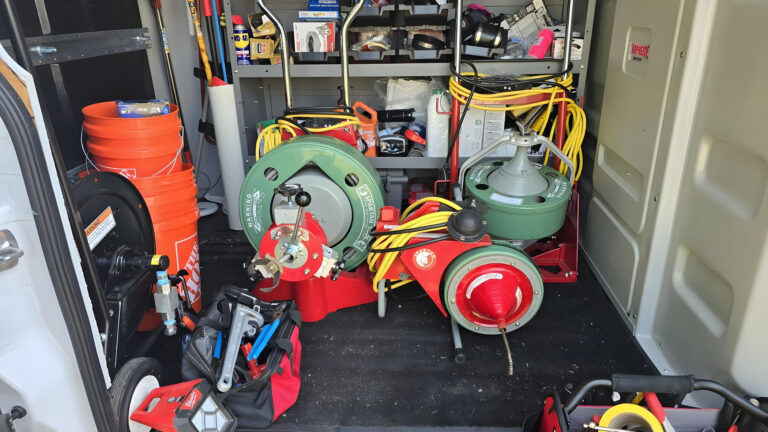
Plumbing Snakes work for many typical blockages in the plumbing system, particularly when hair, soap film, food particles or other debris is in the pipe. Plumbing snake, drain snake or drain auger is a long flexible cable that is used to get to an obstruction, break it up or pull it out of the drain. If the clog is small, the proper plumbing snake will clear the blockage from a bathroom sink, bathtub or shower without opening the plumbing.
But not all clogs can be removed using a household plumbing snake. A small hand-operated snake might only be able to create a small hole, rather than clearing away the entire backup. In cases where grease, sludge, tree roots or broken pipes are wreaking havoc, advanced equipment or professional repairs could be required.
If you know what kinds of plumbing snakes are appropriate for which drains and when to hire a plumber, you’ll be able to pick suitable solutions.
How Does a Plumbing Snake Work?
Plumbing snake is a long flexible cable that is used to reach blockages in a drain pipe that a plumbing plunger cannot reach. It may be coiled, have a cutting head or some other attachment to help break up or retrieve debris depending on what tool it is.
When installing the cable in a drain, you slowly push it through the drain. When the tip gets to the clog, the operator turns the grip or presses the push-button to activate the motor (for pump models). The action will enable the tip to take hold of a strand of hair, to loosen compacted hair, or to split an obstruction.
Once the clog has been cleared, the cable is slowly pulled back out of the clog. Some debris may escape with the snake and other material may have to be broken down into smaller pieces and washed away with water.
Though the process is simple, the outcome depends on the type of clog, the condition of the pipe, and if the snake can access the clog.
For instance, a small snake could pull hair out of a hair bag near a bathwater drain. A tool can be unsuccessful in removing a blockage that is far back in a main sewer line. Hence the importance of making a proper choice of equipment.
What Types of Clogs Can a Plumbing Snake Clear?
Plumbing snakes are especially useful for obstructions within the pipes of a home. They do not necessarily solve all drainage issues, but they can work on some common situations.
1. Hair Clogs in Bathroom Drains
One of the most frequently found reasons for bathroom sink, tub, and shower drains draining slowly is the hair. The strands can wrap around the opening of the drain, or even in the interior of the pipes. The residue of soap and other particles then gather along the hair, causing over time a reduction in the flow of water.
These clogs are easily reached by a small manual drain snake and hair can be extracted. This will be most effective if the blockage is close to the fixture and the pipe is in good condition.
If hair has not helped the drain to clear and the drain still has a clog, there may be other buildup on the other side further down the drain.
2. Soap Scum and Residue
The film of soap that it leaves behind can mix with dirt, hair and mineral deposits to form a hard blockage. A plumbing snake can go past the blockage and open up a few of the drainage.
But a snake is not always required to clean all the inside of the pipe. It can form a gap due to the scabbing and leave a residue on the walls of the pipe. If there is a large amount of residue remaining, the drain could be clogged again.
3. Food Debris in Kitchen Drains
Food particles, grease, and other food debris can combine to cause kitchen drains to clog. If the clog is not in the drain hole of your sink and you have a drain snake, you can use it to unclog or break up the clog.
Special care must be taken of grease. Cooking oil and grease may also cool and adhere to the inside of pipes, which occurs over time and leads to the accumulation of more food particles. A snake might open the way without cleaning all the grease.
Do not use a standard drain snake in garbage disposals when they are plugged in. If a problem arises, follow the specified instructions from the manufacturer for clearing it and, if the blockage is too far, or easy to reach but hazardous, have a plumber check.
4. Paper and Similar Material
A plumbing snake may clear a localized blockage caused by excessive toilet paper or other soft material. However, toilets require a tool designed specifically for their shape and internal passage.
A toilet auger, also called a closet auger, has a protective sleeve and a shape intended to reduce the risk of scratching the porcelain. A standard sink snake is not always suitable for toilet clogs.
Items such as wipes, paper towels, sanitary products, and other materials that do not break down readily can cause more persistent blockages. If the clog does not clear with an appropriate toilet auger, forcing the tool farther into the pipe may make the situation worse.
Do Plumbing Snakes Work Better Than Plungers?
A plumbing snake and a plunger serve different purposes. Neither tool is always the better choice.
A plunger uses pressure and suction to loosen a blockage. It is often a good first option for a simple toilet clog or a nearby obstruction in a sink. It is relatively easy to use and does not require feeding a cable into the plumbing.
A plumbing snake physically reaches into the pipe. It can be more useful when a clog sits beyond the drain opening, particularly when hair or other material needs to be caught and removed.
Here is a simple comparison:
| Tool | Best use | Main limitation |
| Plunger | Localized clogs that respond to pressure and suction | May not reach or remove deeper obstructions |
| Manual drain snake | Hair and small clogs in sinks, tubs, and showers | Limited cable length and clearing power |
| Toilet auger | Clogs inside a toilet’s drain passage | Not designed for every sewer-line problem |
| Powered drain auger | Deeper or more stubborn blockages when matched to the pipe | Requires correct operation and can damage pipes if misused |
| Professional drain-cleaning equipment | Difficult clogs and larger drain or sewer lines | Requires trained handling and appropriate equipment |
For a minor blockage, a plunger may be enough. If the obstruction is deeper in the pipe, a suitable plumbing snake may be the next option. If neither works, repeatedly applying more force is not a reliable solution.
What Types of Plumbing Snakes Are Available?
Not all plumbing snakes are built for the same job. The tool you choose should match the drain, the location of the clog, and how severe the blockage is.
Manual Drain Snakes
Manual drain snakes have a flexible cable that you feed into the pipe by hand. You rotate a handle to help the cable move through the drain and engage the obstruction.
These tools are generally suitable for minor clogs in bathroom sinks, showers, and bathtubs. They are also relatively simple to store and use for basic household maintenance.
Their main limitation is reach. A short cable may not reach a blockage farther down the plumbing system, and the tool may not have enough strength to handle a heavy obstruction.
Toilet Augers
Toilet augers are designed specifically for toilet clogs. Their curved guide helps direct the cable through the toilet’s internal passage, while a protective sleeve helps prevent scratches to the porcelain.
Use a toilet auger rather than forcing a general-purpose metal snake through the toilet. The wrong tool can damage the fixture or become stuck.
Powered Drain Snakes
Powered drain snakes use a motor to rotate the cable. Some models are designed for household drains, while larger machines can handle more demanding blockages in drain and sewer lines.
They can provide greater reach and clearing power than small manual tools. However, they also require more care. An incorrectly operated machine can twist the cable, damage piping, or cause injury.
For difficult clogs or suspected sewer-line problems, a plumber can determine which equipment is appropriate for the pipe and obstruction.
How to Use a Plumbing Snake Safely
If you have a minor clog and want to try clearing it yourself, follow the tool manufacturer’s instructions. The goal is to remove the obstruction without damaging the drain.
- Identify the affected drain. Determine whether the problem is limited to one sink, shower, bathtub, or toilet. If several fixtures are backing up, the blockage may be deeper in the plumbing system.
- Choose the correct snake. Use a small drain snake for suitable sink or shower clogs and a toilet auger for toilet blockages. Do not assume that a longer or more powerful tool is always appropriate.
- Protect yourself. Wear gloves and eye protection, and keep the work area clear. Drain water may contain bacteria and other contaminants.
- Insert the cable slowly. Feed it into the drain without forcing it. Rotate the handle gently when the cable encounters an obstruction, following the manufacturer’s directions.
- Work on the blockage carefully. If the cable catches hair or debris, pull it out slowly. If resistance becomes unusually strong or the cable begins twisting, stop and reassess rather than applying more force.
- Remove debris and clean the tool. Dispose of the material in the trash, not back into the drain. Clean and disinfect reusable equipment according to the manufacturer’s instructions.
- Test the drain. Once the obstruction appears to be cleared, run a modest amount of water and check whether it drains normally. Stop if water backs up or leaks appear.
Never use a plumbing snake after applying a chemical drain cleaner unless the product manufacturer specifically confirms that it is safe to do so. Chemicals can splash or expose you to hazardous substances when you insert or retrieve the cable. If you have already used a chemical product, tell your plumber which product it was.
Why Doesn’t a Plumbing Snake Always Work?
A plumbing snake is useful, but it has limitations. When it fails to clear a clog, the reason may be more complicated than the tool itself.
The Clog Is Too Far Down the Pipe
A household snake has a limited cable length. If the blockage is farther away than the cable can reach, the tool will not resolve the problem.
A deeper obstruction may require professional equipment designed to access the affected section of piping.
Grease Has Built Up Inside the Drain
Grease and sludge can coat the inside of a pipe over time. A snake may break through the buildup, allowing water to drain temporarily, but residue can remain on the pipe walls.
If the drain becomes slow again soon after snaking, the pipe may need more thorough cleaning.
Tree Roots Have Entered the Sewer Line
Tree roots can enter sewer pipes through cracks or joints and expand inside the line. A suitable professional cutting tool may remove some of the roots, but snaking alone does not repair the opening that allowed them to enter.
A sewer camera inspection may be necessary to determine whether the pipe is cracked, separated, or otherwise damaged.
The Pipe Is Damaged or Improperly Installed
A clogged drain is not always caused by debris. A broken pipe, a sagging section of drain line, corrosion, or an improperly installed pipe can interfere with drainage.
In these situations, repeated snaking may provide little benefit and could cause additional damage, especially if the piping is old or fragile. The underlying plumbing problem needs to be identified before choosing a repair.
When Should You Call a Professional Plumber?
It is reasonable to try a suitable household drain snake for a simple, localized clog. However, some warning signs indicate that professional drain cleaning or further inspection is the better option.
Contact a plumber if:
- The same drain keeps clogging. Repeated blockages may indicate substantial buildup, a deeper obstruction, or a problem with the pipe itself.
- Several drains are backing up. Simultaneous problems with toilets, sinks, tubs, or showers can point to a branch drain or main sewer-line blockage.
- Water backs up into another fixture. For example, running water in one sink causes wastewater to rise in another. This can indicate a blockage in a shared drain line.
- You notice sewage odors or wastewater backups. These symptoms can indicate a more serious drainage or sewer problem.
- The snake cannot pass through the pipe. Strong resistance, a cable that repeatedly gets stuck, or a blockage that does not respond to careful snaking may require different equipment.
- You suspect damaged pipes or tree roots. These problems may require a camera inspection and a repair plan rather than another attempt at clearing the drain.
If wastewater is backing up into the home, stop using the affected fixtures and arrange professional assistance promptly. Continued water use can increase the amount of wastewater entering the property.
How Crest Plumbing Can Help With Stubborn Drain Clogs
For homeowners in Barnegat, New Jersey, and surrounding Ocean County communities, Crest Plumbing provides plumbing services for drain and sewer problems that may require more than a household snake.
When a drain repeatedly clogs, the important step is determining why the obstruction keeps returning. Professional drain cleaning can help address blockages that a small manual snake cannot reach or remove completely. Depending on the symptoms, a plumber may also recommend a sewer camera inspection to examine the inside of the line and identify potential damage or root intrusion.
The appropriate service depends on the location and severity of the clog. A localized bathroom drain blockage may need a different approach from a main sewer-line obstruction affecting several fixtures.
Rather than continuing to force a snake into the pipe, have the drain assessed if the blockage persists or returns shortly after clearing it.
You can visit the official Crest Plumbing website to learn more about its plumbing services and contact the company for assistance.
Frequently Asked Questions
Do plumbing snakes work on completely clogged drains?
Yes, a plumbing snake can clear many completely blocked drains if the obstruction is within reach and the tool is suitable for the pipe. However, a deep sewer-line blockage, heavy grease buildup, or damaged pipe may require professional equipment or further inspection.
Can a plumbing snake damage pipes?
Yes. Using excessive force, choosing the wrong cable, or operating a powered auger incorrectly can damage pipes and plumbing fixtures. Older or corroded piping may be particularly vulnerable. Stop if the cable becomes stuck or the resistance seems unusual.
How long does it take to snake a drain?
A simple clog near a sink or shower drain may take only a few minutes to clear. A stubborn blockage can take considerably longer, particularly if the plumber needs to locate the obstruction, use specialized equipment, or inspect the sewer line. The time depends on the cause and location of the clog.
Why does my drain clog again after snaking?
The snake may have opened a small passage through the blockage without removing all the debris. Grease, soap residue, hair, or other buildup may remain inside the pipe. Recurring clogs can also indicate tree roots, damaged piping, or a deeper obstruction.
Is a plumbing snake better than a chemical drain cleaner?
For many hair-related or physical obstructions, a suitable plumbing snake can remove material directly rather than relying on chemicals to break it down. However, the right approach depends on the clog. Chemical drain cleaners can cause injuries and may damage certain plumbing materials, so always follow product instructions and avoid combining products.
Should I snake my main sewer line myself?
A main sewer line requires more care than a typical sink or shower drain. The blockage may be deep, and the wrong equipment or technique can damage the pipe. If multiple fixtures are backing up or you suspect a sewer-line problem, professional drain cleaning and an appropriate inspection are safer options.
Do Plumbing Snakes Really Work? When They Solve the Problem and When They Don’t
Plumbing snakes do work, especially for common clogs caused by hair, soap residue, food debris, and other material that can be physically removed or broken apart. They are useful tools for minor household drainage problems when the correct type is used properly.
However, clearing a path through a clog does not always mean the entire pipe is clean. Deep blockages, heavy buildup, tree roots, and damaged pipes may require professional attention.
If a drain remains slow after snaking, clogs repeatedly, or causes several fixtures to back up, avoid applying more force. Identifying the actual cause of the problem is the best way to determine whether additional drain cleaning, a camera inspection, or a plumbing repair is needed.