If the drain continues to get clogged even after you’ve already used a drain cleaner, there could be some blockage further down the drain. When a blockage occurs more than once, it may be due to tree roots, pipe damage, a partial blockage or grease, hair or soap residue in the sewer system or in the main pipe. You can call a recurring drain clog plumber to help determine the cause of the drain clog and whether or not it requires professional drain cleaning, a camera inspection, or pipe repair.
If you experience multiple issues with your home’s drains, it should not be an expected plumbing problem in Barnegat, NJ, or Ocean County. A cleaner that has drained for a couple of days and then re-clogs may have a problem that requires resolution.
The objective is not just to reopen the flow of water. The challenge is to discover why this blockage is recurring and select a remedy that will fix the issue in a suitable manner.
What Is a Recurring Drain Clog?
A recurring drain clog occurs when a clog comes back after having been removed from the drain. This can occur in a kitchen sink, bathroom sink, shower, bathtub, toilet, floor drain, or main sewer.
There are some clogs that are a result of everyday things that have collected over time. Hair may clog up in bathroom drains, grease and food debris accumulate in kitchen pipes. These materials slowly impede the flow of water.
But if there’s repeated clogging, there may be some bigger plumbing issues.
A drain snake, for instance, may simply loosen a clog, but might not fully dislodge all of the debris clinging to the pipe walls. The water starts to flow normally, but any water that is left retains more of the debris. When the drain recovers again, it’s blocked again.
Other times, the blockage occurs again due to either damage to the pipe or roots having grown into a sewer line.
Before making a recommendation, a plumber must first find out what it is.
Common Reasons Your Drain Keeps Clogging
Knowing what things might create the problem can help you to provide your plumber with information on why the problem is occurring. While you don’t have to diagnose the plumbing system yourself, if you do notice when and where the clog is occurring, it can be helpful.
1. Grease and Food Residue Inside Kitchen Pipes
Kitchen drains regularly handle food particles, oils, fats, and dishwashing residue. Although hot water may carry some of these materials into the pipe, grease can cool and stick to the interior surfaces.
Over time, additional residue collects on the existing layer. The pipe opening becomes narrower, making it easier for other debris to get trapped.
This is one reason a kitchen sink may drain normally immediately after a quick clearing but become slow again a few days or weeks later.
What helps: A plumber can remove the obstruction using appropriate mechanical drain-cleaning equipment. If there is substantial buildup throughout the pipe, hydro jetting may be considered after the condition of the line has been evaluated.
To reduce future problems, avoid pouring cooking oil, grease, or fat down the sink. Scrape food scraps into the trash before washing dishes, and use a drain strainer where appropriate.
2. Hair and Soap Buildup in Bathroom Drains
Bathroom sinks, showers, and bathtubs frequently collect hair, soap residue, skin particles, and personal-care products.
Hair can become tangled inside the drain and catch other materials as water passes through. Soap residue can also contribute to buildup along the pipe walls.
A clogged shower may improve after removing hair from the drain cover, but that does not guarantee the entire drain line is clear.
If the blockage is farther down the pipe, cleaning only the visible opening may provide little lasting improvement.
What helps: A plumber can inspect the affected drain and use a suitable tool to remove the material. If the same fixture repeatedly becomes blocked, the plumber may need to investigate the branch line beyond the drain opening.
Installing a suitable hair catcher and removing collected hair regularly can help reduce future clogs.
3. Tree Roots Entering the Sewer Line
Tree roots can enter underground sewer pipes through cracks, separated joints, or other openings. Roots are attracted to moisture, and a damaged pipe can provide access to water and nutrients.
Once inside, roots can catch toilet paper, waste, and other debris. The resulting obstruction may become more difficult to clear as the roots grow.
A plumber may remove the immediate blockage, but the problem can return if the opening in the pipe remains.
What helps: A sewer camera inspection can help locate visible root intrusion and assess the condition of the line. Depending on the findings, the plumber may recommend mechanical root removal, appropriate cleaning, or a repair to the damaged section.
Repeatedly removing roots without addressing the pipe defect may lead to recurring service calls.
4. Damaged, Misaligned, or Sagging Pipes
Not every recurring clog is caused by debris. Sometimes, the pipe itself creates conditions that allow waste to accumulate.
A cracked pipe, separated joint, partially collapsed section, or low spot in an underground line can interfere with normal drainage. A sagging section may allow water and solid material to collect instead of flowing away as intended.
In these situations, cleaning can restore flow temporarily without correcting the underlying defect.
What helps: The plumber may use a drain camera to examine the accessible interior of the pipe. If the inspection identifies structural damage, a targeted repair or pipe replacement may be necessary.
The extent of the repair depends on the location and severity of the damage. A recurring clog alone does not mean the entire sewer line needs to be replaced.
5. A Partial Blockage in the Main Sewer Line
Your plumbing fixtures connect to a system of smaller drain pipes that eventually lead to a larger drain and sewer line. When a blockage develops in a shared section, several fixtures may begin experiencing problems.
You might notice a toilet draining slowly while the shower gurgles. Water may back up into a bathtub when another fixture is used. In some cases, wastewater may rise through a basement or other low-level floor drain.
These symptoms can indicate a restriction farther downstream rather than separate clogs in every fixture.
What helps: A plumber can assess which fixtures are affected, inspect accessible drain lines, and determine whether the main sewer line needs cleaning or further investigation.
If sewage is backing up into the property, stop using water where possible and arrange prompt professional service.
When Should You Call a Recurring Drain Clog Plumber?
An isolated clog may be manageable with basic household maintenance. A blockage that repeatedly returns deserves more attention, especially when several fixtures are involved.
Consider calling a professional plumber when:
- The same drain becomes clogged repeatedly despite previous cleaning.
- Water drains slowly again shortly after the blockage has been cleared.
- Multiple sinks, toilets, showers, or tubs experience drainage problems at the same time.
- Water backs up into another fixture when you flush a toilet or run a sink.
- You notice persistent sewer odors near drains or around the property.
- Gurgling sounds occur alongside slow drainage or other signs of a blockage.
- A basement floor drain begins backing up or wastewater appears inside the home.
These symptoms do not all indicate the same problem. For example, a slow bathroom sink may have a localized obstruction, while simultaneous backups in multiple fixtures can suggest a main-line restriction.
The pattern matters. Tell the plumber which fixtures are affected, when the issue started, and whether previous cleaning temporarily resolved it.
Do not repeatedly flush a toilet or run water to test a suspected sewer blockage. Doing so can cause more wastewater to enter the property.
How a Professional Plumber Finds the Cause of Recurring Clogs
A lasting solution begins with an assessment of the drainage problem. The plumber needs to understand where the obstruction is located and what is causing it before selecting the appropriate cleaning or repair method.
1. Inspecting the Affected Fixtures
The plumber starts by identifying which drains are slow, clogged, or backing up.
If only one bathroom sink is affected, the problem may be in its trap or branch line. If several fixtures are affected, the plumber may investigate a shared drain or the main sewer line.
The technician may also ask whether the clog has happened before, how often it returns, and which methods have already been used.
2. Locating the Blockage
Professional drain-cleaning equipment can help determine whether an obstruction is within a fixture drain, a branch line, or a larger sewer pipe.
A sewer camera inspection can provide additional information when a recurring blockage may be related to pipe damage, root intrusion, heavy deposits, or other visible obstruction.
The camera allows the plumber to examine accessible sections of the pipe from the inside. However, heavy debris or standing wastewater can limit visibility, so some cleaning may be necessary before a useful inspection can be completed.
The purpose is to gather enough information to make an appropriate recommendation instead of repeatedly treating the same symptom.
3. Choosing the Right Cleaning Method
Once the likely cause is understood, the plumber selects equipment suited to the obstruction and pipe condition.
Mechanical drain cleaning is often appropriate for hair, paper, and certain solid blockages. Hydro jetting may be useful when grease, sludge, and accumulated deposits need to be removed from the pipe walls.
Neither method is automatically right for every situation. A pipe that is cracked, badly deteriorated, or structurally compromised should be evaluated before high-pressure cleaning is considered.
4. Checking the Results
After cleaning, the plumber checks whether the drain is flowing properly and whether the original symptoms have improved.
If the problem persists, additional investigation may be necessary. A blockage could remain farther down the line, or a structural defect may be preventing reliable drainage.
Testing the result helps determine whether the work has addressed the immediate problem and whether any further repairs should be discussed.
Professional Drain Cleaning Methods for Repeated Blockages
Different clogs require different approaches. A plumber should explain which method is appropriate for your drainage system and what the service includes.
Mechanical Drain Snaking
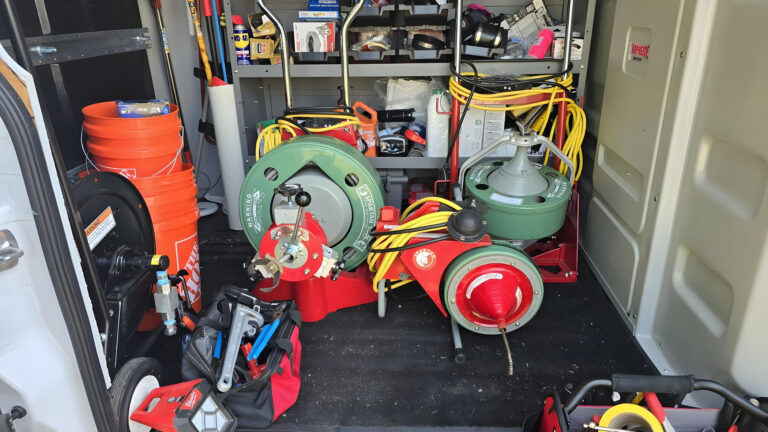
A drain snake, also called a drain auger, uses a flexible cable and suitable attachment to reach an obstruction.
Depending on the type of blockage, the tool can break apart material or retrieve it from the pipe. It is commonly used for localized clogs and certain stubborn obstructions.
However, snaking does not always remove the full layer of grease, sludge, or other deposits covering the inside of a pipe. If those materials remain, the drain may clog again.
For this reason, a recurring blockage may require more than simply opening a narrow passage through the obstruction.
Hydro Jetting
Hydro jetting uses pressurized water to remove accumulated material from the inside of drain and sewer pipes.
It can be useful for grease buildup, sludge, mineral deposits, and certain other obstructions. Compared with a method that only breaks through a blockage, hydro jetting can provide a more thorough cleaning when the pipe is suitable for the process.
Still, high-pressure water should not be used without considering the condition and type of pipe. If damage is suspected, inspection should guide the decision.
Hydro jetting also does not repair a cracked pipe, correct a sagging sewer line, or permanently prevent roots from entering through an existing opening.
Sewer Camera Inspection
A sewer camera inspection helps the plumber see what is happening inside an accessible pipe.
It can reveal visible root intrusion, accumulated debris, cracks, separated joints, and other conditions that may explain repeated clogs.
This information is useful when the problem returns despite previous cleaning. Rather than continuing to use the same method without knowing why it fails, the plumber can recommend additional cleaning, monitoring, or repair based on the findings.
What Happens If You Keep Ignoring a Recurring Drain Clog?
A recurring clog may initially seem like a minor inconvenience. You clear the drain, use the sink or shower normally, and deal with it again when the problem returns.
However, ignoring the underlying cause can lead to more serious issues.
Repeated Backups and Plumbing Disruptions
A partial blockage can gradually collect additional material. As the opening becomes more restricted, the drain may slow down more frequently or stop draining altogether.
This can interfere with ordinary household activities and make a bathroom or kitchen difficult to use.
Wastewater Damage
A blocked main drain or sewer line can cause wastewater to back up into sinks, tubs, showers, or floor drains. Sewage inside a property creates a sanitation concern and may damage flooring, walls, and personal belongings.
If wastewater backs up, avoid contact with it and arrange professional assistance promptly.
More Extensive Repairs
When the recurring problem comes from damaged piping, continued cleaning may delay the repair that is actually needed.
A plumber who identifies the defect early may be able to recommend a localized repair rather than waiting until the damage becomes more extensive. The actual repair options depend on the pipe’s condition and location.
Unnecessary Repeat Service Calls
Paying for repeated clearing without investigating the cause can become expensive over time.
A proper assessment helps distinguish between a straightforward blockage and a problem that requires a different approach. It also gives you a clearer understanding of the recommended work before authorizing additional service.
How to Prevent Recurring Drain Clogs
Professional cleaning can address existing buildup, but everyday habits also affect how often blockages develop.
Here are practical ways to reduce the risk of recurring clogs:
- Keep grease out of kitchen drains. Collect cooking oil and grease in a suitable container and dispose of them properly rather than pouring them down the sink.
- Use drain strainers. Strainers can catch hair and food particles before they enter the plumbing system.
- Remove visible debris regularly. Clean shower drain covers and sink strainers before material accumulates.
- Flush only appropriate materials. Toilets are designed primarily for human waste and toilet paper. Do not flush wipes, paper towels, hygiene products, or other unsuitable items, even if a product is marketed as flushable.
- Avoid relying on chemical drain cleaners. Some products can create hazards, especially when used incorrectly or mixed with other chemicals. They also may not resolve a damaged pipe or a main sewer line blockage.
- Pay attention to recurring symptoms. If a drain becomes slow again soon after cleaning, arrange an assessment instead of repeatedly applying the same temporary fix.
- Discuss maintenance when there is a known problem. Properties with a history of recurring sewer blockages may benefit from a maintenance plan based on the condition and use of the drainage system.
Not every home needs routine professional cleaning at the same interval. The appropriate maintenance schedule depends on the pipe condition, the type of use, and the history of previous problems.
Choosing a Reliable Recurring Drain Clog Plumber in New Jersey
Don’t just be satisfied with a plumber who clears the blockage, ask for help in determining what caused it.
Inquire about the services that the proposed service includes. Each service is a distinct function and does not inherently include the others.These are all separate services and don’t all come with each other.
You should also discuss with the plumber if he believes that there is a localized clog or a sewer line issue, what he will need to do in order to inspect, and why he believes that the technique he will use to clean is suitable for your sewer lines.
Discuss the anticipated costs and any other services that might be required before work is done. If a repair is suggested, inquire about what the problem was and if a specific repair is possible.
Crest Plumbing offers homeowners and businesses in Barnegat, NJ and the rest of Ocean County, sewer and drain services such as mechanical drain cleaning, hydro jetting, camera inspection and drain pipe repairs. Depending on the nature of the line, and the reason for the periodic clogging, the right service will be required.
Crest Plumbing can also provide you with plumbing services 24 hours a day whenever you experience any urgent situation such as severe drain or sewer backup.
Conclusion
If the drain continues to clog, it’s a sign that there’s an issue with the plumbing system to be addressed, especially if it occurs shortly after cleaning. Recurrent blockages may be caused by grease, hair, soap residue, partial obstructions and broken pipes.
A frequent drain clog plumber can evaluate the impacted plumbing products, determine the blockage location and give the appropriate solution. This will entail mechanical pipe cleaning, hydro jetting, sewer camera inspection, or pipe repair, depending on the results.
The biggest key to preventing the clog coming back is finding out why it came back in the first place! If you can get past the immediate blockage, it will be open again, but if you can correct the cause, you’ll have a better chance of stopping having to call a plumber again for the same issue.
If you are still experiencing drainage problems, please be sure to discuss symptoms and schedule the appropriate inspection or cleaning with Crest Plumbing. Once you’ve determined the cause, you can make a better decision as to what the next step should be for your plumbing.