Sink Drain Cleaner is a product needed by the households with clogged drains. Slow kitchen sink drain? Total blockage? Before this time can serve as an effective drain. The right drain cleaner and opener is important in the plumbing maintenance. This paper discusses the reasons of dirt blockages in the pipes, how to select the right drain de-clogger, and provide a summary of a list of the products and tools that are best to address plumbing problems. Crest Plumbing would be happy to assist you to choose the best way out of your plumbing system.
What Causes Clogged Pipes?
The reasons behind the clogs are that different materials will get deposited in your pipes preventing water flow. Common causes include:
- Hair: a major cause of sink and shower blockages in bathrooms.
- Grease: sea solidifies in the kitchen drains and it causes blockage.
- Food Waste: incorrect disposal of the food scraps has the potential of blocking the pipes.
- Soap Scum: his is a scum that forms in a reaction between the soap and minerals that blocks pipes.
- Mineral Deposits: The accumulation of hard water in pipes.
- Tree Roots: the roots penetrate underground pipes and result in extreme blockage.
The cause of the clog allows you to select the most appropriate cleaner.
How to Choose the Right Sink Drain Cleaner
The different sink drain cleaners available are selected depending on the type of clog, the type of pipe material and whether you want chemical cleaner or nonchemical cleaner. The following are some of the points to be considered:
1. Type of Clog
- Hair: Clean with a drain snake or some enzyme based cleaner.
- Grease/Food Waste: It is easier to use chemical cleansers or enzymes.
- Mineral Buildup: A descaler eliminates the deposits of hardwater.
- Tree Roots: One question that is best suited to root intrusion includes a sewer auger or a professional plumber.
2. Pipe Material
- PVC Pipes: These types of pipes are typically safe to chemical cleaners but should not use very harsh products that will weaken the pipe in time.
- Metal Pipes: Metal cleaners “toxicity” To avoid corrosion, non-toxic gentle cleaners should be purchased.
- Older Pipes: are the safest where an enzyme based, non-toxic cleaner is concerned.
3. Eco-friendly Options
- To be green, choose non-toxic, biodegradable cleaners, such as enzyme products, or natural cleaners, such as baking soda and vinegar.
Best Drain Cleaners
The correct solution varies with the type and intensity of the clog when de-clogging the drains. The following are the most useful ones:
Chemical Drain Cleaners
The chemical drain cleaners have gained popularity due to their rapid cleaning of the clogs. They are usually soaked in lye, sulfuric acid, or hydrochloric acid to dissolve organic components like it is in hair, grease or soap scum.
Advantages:
- Quick action, ideal for tough, stubborn clogs.
- Effective on a variety of materials like hair, grease, and soap scum.
Disadvantages:
- Can damage pipes, especially if used frequently or improperly.
- Toxic and harmful to the environment.
- Can be dangerous if not used according to the instructions.
Tips:
- Use chemical cleaners sparingly to avoid long-term damage to your pipes.
- Ensure good ventilation when using these products, as they can release fumes.
- Never use chemical cleaners on old or damaged pipes.
Plungers
A plunger is a simple but effective tool for clearing minor blockages. It works by creating a vacuum seal and applying pressure to dislodge the clog.
Advantages:
- No chemicals involved.
- Easy to use and inexpensive.
- Safe for all types of pipes.
Disadvantages:
- Requires manual effort.
- Not effective for deep or tough blockages.
Drain Snakes
A drain snake (plumber’s snake) is a flexible, coiled tool that can break up clogs deeper inside the pipes. It’s ideal for hair clogs or any debris stuck in the drain.
Advantages:
- Effective for deep clogs.
- Safe for most types of pipes.
Disadvantages:
- Requires skill to use effectively.
- Can be messy and difficult for inexperienced users.
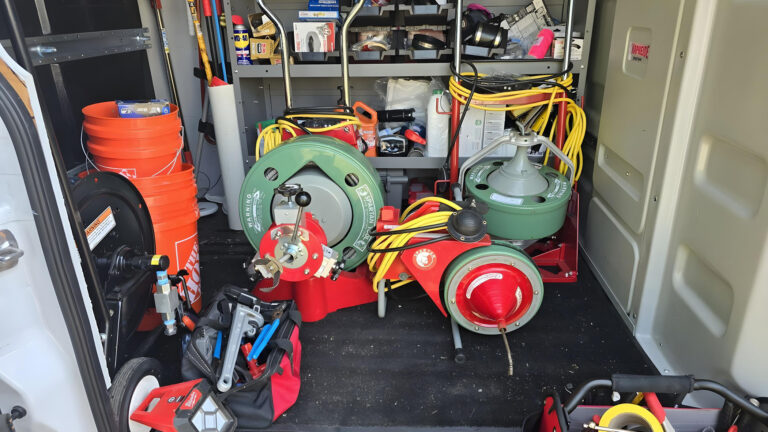
Hand Augers and Sewer Rods
Hand augers and sewer rods are used for serious blockages, particularly those caused by tree roots or debris in the plumbing system.
Advantages:
- Ideal for tough, large blockages.
- Can tackle tree roots and hard-to-reach clogs.
Disadvantages:
- Requires expertise to use.
- Can be expensive to purchase.
Bladders
Bladders are inflatable devices that help push clogs out of your pipes by creating pressure. They are especially useful for larger blockages.
Advantages:
- No chemicals involved.
- Effective for larger clogs without causing damage to pipes.
Disadvantages:
- Requires water access.
- Can be messy if not used correctly.
Frequently Asked Questions on the Best Drain Cleaners
Does Baking Soda and Vinegar Really Unclog Drains?
Yes, baking soda and vinegar can effectively unclog minor blockages. When combined, they create a fizzing reaction that can help dislodge debris and break down clogs.
How It Works:
- Pour half a cup of baking soda into the clogged drain.
- Follow with half a cup of vinegar.
- Let it sit for 15-30 minutes, then flush with hot water.
This method is great for regular maintenance and light clogs but may not work for deep or severe blockages.
What Is the Best Drain Cleaner for Clogged Pipes?
The best sink drain cleaner for clogged pipes depends on the nature and severity of the clog. Here’s a guide:
- For Hair Clogs: A drain snake or enzyme-based cleaner is effective.
- For Grease or Organic Matter: Chemical drain cleaners or enzyme cleaners work well to break down grease.
- For Severe Clogs: Mechanical solutions like drain snakes or augers are best for tough clogs.
For simple, everyday maintenance, a gentle product like baking soda and vinegar or an enzyme-based cleaner is the best choice.
What Drain Clog Remover Won’t Damage Pipes?
In order to safeguard your pipes, select soft yet efficient detergents. Enzyme-containing products and even basic domestic products like baking soda and vinegar can be used on most pipes, and they dissolve organic deposits.
Safe Options:
- Enzyme-based cleaners: These are biodegradable and gentle on pipes.
- Baking soda and vinegar: An eco-friendly, non-toxic option for minor clogs.
Avoid using harsh chemical cleaners, especially on older pipes, as they can cause long-term damage.
At Crest Plumbing, we are dedicated to providing expert plumbing solutions. Whether you need help selecting the best sink drain cleaner or dealing with a severe clog, our team of professionals is here to ensure your pipes stay clean and your plumbing system runs smoothly. Contact us today for all your drain cleaning and plumbing needs!