A snake clogged toilet usually means the toilet is blocked far enough into the drain that a regular plunger cannot clear it. A toilet auger, sometimes called a toilet snake, can reach farther into the toilet trap and break through or pull back the material causing the blockage.
For a minor clog, using a toilet snake may solve the problem. But if the toilet keeps clogging, multiple drains are backing up, or water is coming up from another fixture, the problem may be farther down the drain line. In those situations, using a snake repeatedly may only provide temporary relief.
For homeowners in Barnegat, NJ, and surrounding Ocean County communities, knowing the difference between a simple toilet clog and a larger drain problem can help prevent unnecessary damage and more expensive repairs.
What Is a Toilet Snake?
A toilet snake is a plumbing tool designed specifically for clearing toilet blockages. It has a long flexible cable that moves through the toilet’s built-in trap. The end of the cable can break apart a blockage or catch material so it can be pulled back out.
A standard drain snake and a toilet auger are not always the same thing. A toilet auger is designed with the shape and porcelain surface of a toilet in mind. Using the wrong tool can scratch the bowl or damage the fixture.
Toilet snakes are useful for clogs caused by:
- Excessive toilet paper
- Paper towels accidentally flushed down the toilet
- Foreign objects
- Waste buildup
- Certain types of organic material
- Blockages located inside or close to the toilet trap
The tool is most effective when the blockage is within reach of the cable.
Signs Your Toilet May Need a Snake
A plunger should generally be the first tool used for a basic toilet clog. If plunging does not clear the blockage, a toilet snake may be the next option.
Some common signs include:
The Toilet Fills With Water but Does Not Drain
If the toilet bowl rises when you flush and drains very slowly or not at all, there is likely a restriction somewhere in the toilet’s drainage path.
Stop flushing it repeatedly. Each additional flush can cause the bowl to overflow.
The Toilet Drains Slowly
A toilet that eventually drains but takes much longer than normal may have a partial blockage. These clogs can become worse over time.
A toilet snake can sometimes clear a partial obstruction before it develops into a complete blockage.
The Plunger Is Not Working
If you have created a good seal with the plunger and used it correctly but the toilet remains clogged, the blockage may be too deep or too solid for the plunger to remove.
This is one of the situations where a toilet auger can be useful.
The Toilet Keeps Clogging
Repeated clogs are different from a single isolated blockage.
If you clear the toilet today and it becomes clogged again a few days or weeks later, there could be a larger issue in the drain line. The problem may involve buildup, a damaged pipe, tree roots, or another obstruction farther downstream.
How to Use a Toilet Snake Safely
If you decide to use a toilet snake, take your time. The porcelain surface of a toilet can be damaged by improper use.
1. Stop Flushing the Toilet
Before doing anything, prevent additional water from entering the bowl.
If the toilet is close to overflowing, shut off the water supply valve behind the toilet. Turn the valve clockwise until the water stops.
2. Protect the Area Around the Toilet
Place old towels around the base of the toilet. Wear rubber gloves and keep a bucket nearby.
This is not a clean job, and water can spill while you’re working.
3. Insert the Toilet Snake
Place the end of the toilet auger into the toilet drain opening.
Feed the cable slowly. Do not force it aggressively into the toilet.
As you turn the handle, the cable works its way through the internal trap.
4. Rotate the Cable
Continue rotating the handle while gently applying pressure.
When you feel resistance, you may have reached the blockage.
Do not immediately start forcing the cable. The goal is to work the cable through the obstruction without damaging the toilet.
5. Break Through or Pull Out the Blockage
Depending on the type of obstruction, the cable may break it apart or catch it so you can pull it back toward the bowl.
If you pull out an object, remove it carefully and dispose of it properly.
6. Retract the Snake
Slowly pull the cable back out while continuing to rotate the handle.
Clean the cable according to the manufacturer’s instructions.
7. Test the Toilet
Once the water level has returned to normal, test the toilet carefully.
Do not immediately perform several full flushes. Start with a small amount of water and watch how quickly the bowl drains.
If the toilet flushes normally and the water drains properly, the blockage may have been cleared.
What Should Never Be Flushed Down a Toilet?
Many toilet clogs start with something that should not have been flushed.
Toilet paper is designed to break down in water. Many other products are not.
Avoid flushing:
- Paper towels
- Baby wipes
- Cleaning wipes
- Feminine hygiene products
- Cotton swabs
- Dental floss
- Disposable gloves
- Tissues in large quantities
- Hair
- Diapers
- Household trash
- Grease or other materials
Even products labeled as “flushable” can cause problems in some plumbing systems. If you want to reduce the risk of clogs, the safest approach is to flush toilet paper and human waste only.
Why Does a Toilet Keep Getting Clogged?
A toilet that repeatedly becomes blocked needs more attention than a single clog.
There are several possible causes.
Excessive Toilet Paper
Large amounts of toilet paper can accumulate inside the toilet trap or drain. This is particularly likely if the toilet has a low-flow design or there is already some restriction in the drain.
Foreign Objects
Children can accidentally flush toys and other objects. Adults may also drop items into the toilet.
A foreign object can become lodged in the trap and cause repeated blockages.
Drain Line Buildup
A blockage farther down the drain line can affect how the toilet drains. In this situation, clearing the toilet itself may not solve the underlying problem.
Tree Roots
In some properties, roots can enter underground sewer lines through cracks or joints. Once inside, they can restrict the flow of wastewater.
A toilet snake may not be enough to resolve a root intrusion.
Damaged or Collapsed Pipes
Older or damaged sewer pipes can develop serious restrictions. A damaged section may collect waste and repeatedly cause backups.
This type of problem requires more than a basic toilet auger.
Snake Clogged Toilet Problems Can Sometimes Be a Bigger Drain Issue
One of the most important things to understand is that not every toilet clog is actually a toilet problem.
If the toilet is the only fixture having trouble, the blockage may be located near the toilet.
But if you notice several plumbing fixtures experiencing drainage problems at the same time, pay attention.
For example, you may notice:
- The toilet is clogged
- The bathtub drains slowly
- The shower backs up
- The bathroom sink drains slowly
- Water backs up into another fixture
- You hear gurgling from drains
- Multiple toilets are having problems
- Sewage odors are coming from drains
These symptoms can point toward a larger sewer or drain problem.
At that point, continuing to use a toilet snake may not solve the actual cause.
When to Call a Professional Plumber
A professional plumber should inspect the system when a toilet clog does not respond to normal clearing methods or keeps returning.
You should especially consider professional help if:
- The toilet is completely blocked
- A plunger and toilet snake do not work
- The toilet repeatedly clogs
- Multiple drains are backing up
- Sewage is coming into the home
- The toilet makes unusual gurgling sounds
- Water backs up into the shower or bathtub
- You suspect a foreign object is stuck inside
- You suspect a sewer line problem
- The property has older underground plumbing
- You notice sewage odors around drains
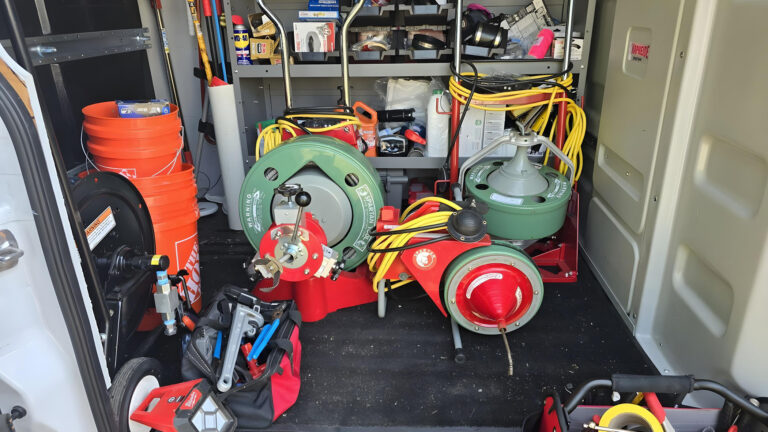
A professional plumber has access to equipment that goes beyond a basic hand auger.
For example, drain cleaning equipment can reach deeper into the plumbing system. A plumbing camera can also help identify problems inside a drain or sewer pipe without immediately opening the ground or walls.
Professional Toilet and Drain Cleaning in Barnegat, NJ
For homeowners in Barnegat and nearby Ocean County communities, Crest Plumbing provides residential plumbing, sewer and drain services, drain cleaning, drain pipe repair, and emergency plumbing services.
A clogged toilet may be a simple blockage, but it can also be an early sign of a larger drainage problem. Crest Plumbing can inspect the plumbing system and determine whether the issue is limited to the toilet or connected to a larger drain or sewer line.
The company also uses professional plumbing equipment for difficult drainage problems, including drain cleaning equipment and inspection technology.
If your toilet continues to clog after using a plunger or toilet snake, getting the drain inspected can help identify the cause instead of repeatedly treating the symptom.
Frequently Asked Questions About a Snake Clogged Toilet
Can I use a regular drain snake on a toilet?
It is better to use a toilet auger designed specifically for toilets. A regular drain snake may not be shaped correctly for the toilet trap and can potentially scratch or damage the porcelain.
How far can a toilet snake reach?
The working distance depends on the specific toilet auger. Many household toilet augers are designed to clear blockages located within the toilet trap and nearby drain section. Deeper blockages may require professional drain equipment.
Why is my toilet still clogged after using a snake?
The blockage may be too deep, too large, or located beyond the reach of the toilet auger. There could also be a damaged pipe, root intrusion, or another obstruction in the main drain or sewer line.
Can a snake damage a toilet?
It can if used improperly. Excessive force or the wrong type of drain snake can scratch the porcelain or cause other damage. Use a toilet-specific auger and follow the manufacturer’s instructions.
Should I keep flushing a clogged toilet?
No. Repeated flushing can cause the bowl to overflow. If the toilet is not draining properly, stop flushing and shut off the water supply if necessary.
How do I know if my toilet clog is in the sewer line?
If multiple fixtures are draining slowly or backing up, or if wastewater comes up through another drain when you flush the toilet, the problem may involve the main drain or sewer line rather than the toilet itself.
Is a toilet snake better than a plunger?
They serve different purposes. A plunger can clear many simple toilet clogs by creating pressure inside the drain. A toilet auger can reach into the toilet trap and work directly against a blockage that a plunger cannot remove.
Can a toilet snake remove a toy or other object?
A toilet auger may be able to catch or move some foreign objects, but it is not guaranteed. If an object is firmly lodged or you suspect it is causing repeated blockages, professional removal may be safer.
What should I do if the toilet and bathtub are both backing up?
Stop using the affected plumbing fixtures. Having both fixtures back up can indicate a blockage farther down the drainage system. A professional plumber can inspect the drain and determine where the restriction is located.
When should I call Crest Plumbing for a clogged toilet?
Call Crest Plumbing if the toilet cannot be cleared with normal methods, the clog keeps returning, multiple fixtures are affected, or you suspect a sewer or drain line problem. A professional inspection can help determine the actual cause and the appropriate repair.
Get Professional Help for a Snake Clogged Toilet Before the Problem Gets Worse
A snake clogged toilet can often be cleared when the obstruction is located inside the toilet trap or nearby drain. A toilet auger is more effective than a standard plunger for certain stubborn blockages, but it is important to use the right tool and avoid forcing it.
The bigger concern is a toilet that keeps clogging or a toilet that is backing up along with other drains. Those symptoms can indicate a deeper drainage or sewer problem.
If you’re in Barnegat, NJ, or the surrounding Ocean County area and your toilet keeps giving you trouble, professional drain inspection and cleaning can help determine what is actually causing the blockage. Crest Plumbing provides residential plumbing, sewer and drain services, drain cleaning, and emergency plumbing assistance for local homeowners.