Water leaks in house are typically not obvious until they have been present for some time. Some of the first signs of a leak could be increasing water bills, smelly water, bubbling paint, warm floors, stains on ceilings, low water pressure, or hearing water running behind walls.
The hard part is most hidden leaks occur behind dry wall, under floor, inside ceiling or underneath concrete slabs where the homeowner cannot see them. When visible damage becomes evident, moisture may have already infiltrated into the insulation, flooring, framing, cabinets and other structural portions of the home.
This is the reason that people have to identify the early warning signs of a hidden water leak in a house, be aware of any water loss, and should be sure to perform proper leak detection techniques before the leak becomes much more costly to repair. Crest Plumbing and other companies regularly assist homeowners in Ocean County in identifying concealed plumbing leaks before they become more serious issues such as structural or mold.
Key Takeaways
- Hidden water leaks can exist without visible water, often showing early warning signs such as higher water bills, musty odors, bubbling paint, ceiling stains, low water pressure, or sounds of running water.
- Checking the water meter is a simple first step—if the meter continues moving when all faucets, appliances, and fixtures are turned off, there may be an active leak somewhere in the plumbing system.
- Slab leaks, hidden wall leaks, underground leaks, and toilet leaks can be difficult to identify, making it important to pay attention to indirect signs such as warm flooring, recurring mold, unexplained moisture, and rising water bills.
- Professional leak detection uses specialized equipment such as acoustic detection, thermal imaging, moisture meters, pressure testing, and video inspection to locate leaks while reducing unnecessary wall or floor damage.
- Finding and repairing a hidden leak early can prevent more expensive damage, including mold growth, structural weakening, damaged flooring, insulation, cabinets, and framing.
Common Signs of a Hidden Water Leak
A hidden leak does not always create standing water immediately. Sometimes the signs are indirect.
Here are some of the most common indicators homeowners notice first:
| Warning Sign | What It May Mean |
| Higher water bills | Continuous water loss somewhere in the plumbing system |
| Musty odor | Moisture trapped behind walls or under flooring |
| Bubbling paint or drywall | Water collecting behind surfaces |
| Warm spots on floors | Possible hot water slab leak |
| Low water pressure | Pipe leak reducing system pressure |
| Water meter moving while water is off | Active leak somewhere in the house |
| Mold appearing repeatedly | Ongoing moisture problem |
| Ceiling stains | Plumbing leak from upstairs or attic area |
| Cracks in flooring | Long-term slab moisture issues |
| Sounds of running water | Hidden pipe leak behind walls |
A lot of homeowners wait until they actually see water damage. That usually means the leak has already progressed further than they realized.
Check the Water Meter First
One of the simplest ways to check for a hidden leak is by testing the water meter.
Start by shutting off every faucet, appliance, shower, dishwasher, washing machine, and any plumbing fixture using water inside the property. Make sure nobody uses water during the test.
Then go outside and look at the water meter.
If the meter continues moving even though no water is being used, there is a strong chance water is escaping somewhere in the system.
This does not automatically identify the exact location of the leak, but it confirms that water loss is likely happening.
In some homes, the issue may involve:
- Underground pipe leaks
- Slab leaks
- Toilet leaks
- Irrigation line leaks
- Pipe damage inside walls
- Hot water line failures
The water meter test is usually one of the first things plumbers check during leak investigations because it quickly helps confirm whether the problem is active.
Hidden Toilet Leaks Are More Common Than People Realize
Toilets are one of the biggest sources of unnoticed water loss inside homes.
A leaking toilet flapper may continue running water silently for long periods without homeowners noticing immediately. In some situations, thousands of gallons can be wasted over time from a toilet leak alone.
One simple test involves adding food coloring into the toilet tank.
Wait around 15 to 20 minutes without flushing.
If colored water appears inside the bowl, the toilet is leaking internally.
This type of leak may not cause visible water damage right away, but it can heavily increase water bills and waste water continuously.
Look Around Walls, Baseboards, and Ceilings
Drywall and paint often react quickly to hidden moisture.
Some of the most common visual warning signs include:
- Peeling paint
- Soft drywall
- Swollen trim
- Dark stains
- Warped baseboards
- Ceiling discoloration
- Flooring separation
Leaks inside walls sometimes travel downward before becoming visible. That means the visible stain may not actually be directly next to the source of the plumbing leak itself.
In older homes especially, slow leaks can continue unnoticed behind walls for extended periods because the plumbing materials gradually deteriorate over time.
Slab Leaks Can Be Difficult to Identify Early
Slab leaks happen underneath the concrete foundation of a home. These are usually among the hardest leaks for homeowners to detect without professional equipment.
Some signs that may point toward a slab leak include:
- Warm areas on flooring
- Cracks in flooring
- Unexplained moisture
- Rising water bills
- Low water pressure
- Water sounds under the floor
- Mold or mildew smells
Hot water slab leaks are often easier to notice because sections of flooring may feel unusually warm.
Cold water slab leaks are harder to identify early because they may not create temperature changes homeowners can detect easily.
In New Jersey homes, slab leaks can become serious because moisture beneath the foundation may eventually affect flooring materials and structural stability if ignored too long.
Read About What Is a Slab Leak?
Do Not Ignore Small Ceiling Stains
Small ceiling stains are often dismissed because they appear minor initially.
That is risky.
A stain on the ceiling usually means water has already traveled through drywall materials before becoming visible. The leak itself may involve:
- Bathroom plumbing
- Upstairs pipe leaks
- Roof-related moisture intrusion
- HVAC condensation issues
- Water line failures
The actual source is not always directly above the stain. Water can travel across framing and structural areas before dripping into visible sections.
That is why professional leak detection sometimes involves moisture meters, thermal imaging cameras, and pressure testing instead of relying only on visual inspection.
Water Bills Often Reveal Hidden Leaks Early
One of the earliest warning signs is usually the monthly water bill.
If usage suddenly increases without any major lifestyle changes, the plumbing system should be inspected.
A lot of homeowners assume utility rate increases caused the higher bill. Sometimes that is partially true. But unexplained spikes often indicate water loss somewhere in the system.
Leaks that run continuously, even slowly, add up fast over time.
Especially:
- Running toilets
- Underground leaks
- Irrigation line leaks
- Slab leaks
- Dripping fixtures
- Pipe pinhole leaks
If the increase keeps repeating month after month, the plumbing system should be checked sooner rather than later.
Learn more about What Does a Leak Detection Specialist Do?
Mold Growth Often Points to Hidden Moisture
Mold problems are frequently tied to plumbing leaks homeowners never realized existed.
`The difficult part is that mold may appear in areas slightly removed from the original leak source because moisture travels through walls and flooring materials.
Signs may include:
- Persistent musty smells
- Dark spots near trim or ceilings
- Reappearing mold after cleaning
- Humidity increases indoors
Once moisture remains trapped behind materials long enough, mold growth becomes much more likely.
That creates additional repair costs beyond the plumbing issue itself.
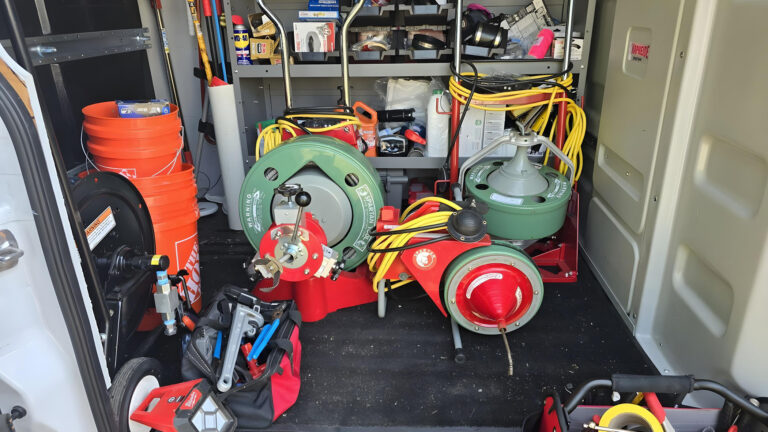
Professional Leak Detection Usually Involves Specialized Equipment
Some hidden leaks are impossible to locate accurately without proper equipment.
Professional plumbers often use:
- Acoustic leak detection
- Thermal imaging
- Moisture meters
- Pressure testing
- Video inspection equipment
- Electronic leak locating systems
This helps narrow down the leak location without unnecessary wall removal or flooring demolition.
Companies like Crest Plumbing regularly use leak detection methods designed to locate hidden plumbing problems while minimizing unnecessary property damage during the inspection process.
That matters because randomly opening walls without confirming the leak location first can increase repair costs quickly.
Why Fast Leak Repairs Matter
Hidden leaks rarely stay isolated.
Water continues spreading through:
- Drywall
- Flooring
- Insulation
- Cabinets
- Framing
- Subfloors
Over time, that can lead to:
- Structural weakening
- Mold growth
- Electrical concerns
- Flooring damage
- Higher repair costs
- Indoor air quality problems
The plumbing repair itself is sometimes smaller than the restoration work needed afterward.
That is why early leak detection usually saves money long term.
What Homeowners Should Do First
If you suspect a hidden water leak inside your house:
- Check the water meter
- Inspect visible plumbing areas
- Monitor water bills
- Look for moisture stains
- Listen for running water sounds
- Check for musty odors
- Stop delaying inspections if signs continue appearing
A small leak can quietly become a large repair project if ignored too long.
Especially in older homes where plumbing systems may already have aging pipes or previous repair history.
FAQs
What are some of the signs of a water leaks in house?
Some of the most frequently noticed symptoms are high water bills, odors of mold, bubbling paint, stains on ceilings, soft drywall, poor water pressure, or running water “hearing” when there is no water use. When the water is turned off and the water meter is moving, it’s another big red flag.
A water leak can occur without any water damage?
Yes. There are so many hidden leaks that remain concealed for a long time behind walls, under floors or under foundations before they can be seen. Some leaks only show indirect signs at first like odors, humidity, or increased utility bills.
Are slab leaks a threat to a home?
If left untreated for too long, they can become serious. Over time, slab leaks can cause mold and water bills to skyrocket, cause damage to the floor, and make a weak foundation area. Leakages are best detected early, and this minimizes long-term structural damage.
So what has prompted my water bill to jump so high?
If water consumption suddenly spikes, it is likely that there is a leak in the plumbing, a running toilet, an underground line leak or slab leak problem. If water usage is unchanged, but bills keep going up, then consider a plumbing check.
Should I discover a concealed leak by myself or hire a plumber?
Owners may begin by making some simple inspections, such as checking the water meter or inspecting areas of visible plumbing. However, leaks that lie within the walls, ceiling or foundation may be difficult to find and require the use of a leak-detection machine to find the exact leak, which may be damaging the property unnecessarily.
Hidden Water Leaks Can Become Major Structural Problems Fast
Usually, the first thing you should do is look for signs of a water leak in your home, before the damage becomes severe.
The problem is that leaks can occur undetected behind walls, under floors or under concrete foundations. When water is visible, it could be more serious than anticipated.
This is why it is important to never overlook signs such as rising water bills, musty odors, bubbling paint, warm flooring, low water pressure, or any unexplainable moisture.
Expert leak detection can locate the leak before unnecessary destruction or extensive structural damage.
Crest Plumbing routinely assists homeowners in Ocean County in identifying and fixing undetected water leaks with cutting edge detection apparatus and practical plumbing check-ups that uncover issues at an early stage, before they can escalate into costly and costly repairs.