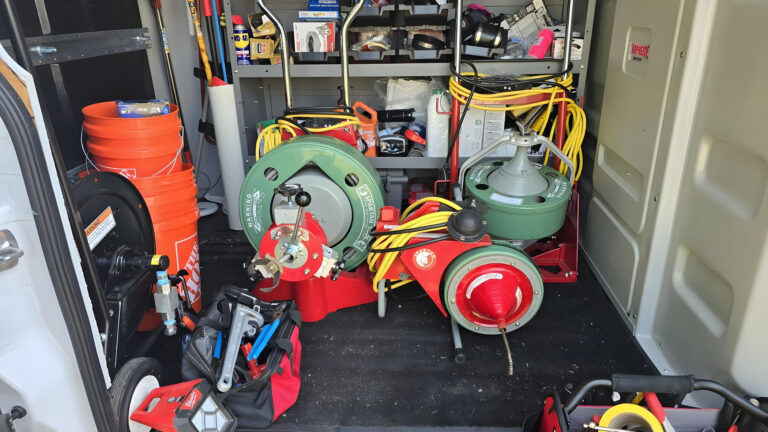
What is a grease trap? A grease trap is a plumbing fixture used to prevent fats, oils, grease and food waste from entering the main sewer line. Food-service premises such as restaurants, commercial kitchens, cafeterias, and hotels, where there is an abundance of grease from cooking and food preparation, are typical places where it is installed.
If your grease trap is not working correctly, cooking oil, food waste and animal fats will become trapped within pipes. This buildup can eventually lead to wastewater backup, drain backups, strong odors and frequent clogs, over time.
A grease trap plays a crucial role in the proper functioning of a restaurant or commercial kitchen plumbing system. It helps prevent the amount of grease from entering the sewer system and helps to minimize the chances of problems that may cause disruption of service.
A grease trap may help business owners prevent needless plumbing issues and keep their commercial drainage systems running smoothly.
What Is a Grease Trap?
A grease trap, also known as a grease interceptor, is a container that is placed in a commercial kitchen’s drainage system. It primarily functions to remove fats, oils and grease (FOG) from wastewater before it flows into the sewer system.
Wastewater from dish washing, cleaning of cooking equipment or wash up of food preparation areas may flow into the drains. A grease trap impedes the flow of this wastewater so that the grease rises to the surface and the heavier food particles fall to the bottom.
The water that does not flow through the inlet can then flow through the outlet and continue on downwards through the drainage system.
Businesses that prepare food and dip into oils and greases, cook meat, or handle it in large amounts throughout the day are among those that particularly need a grease trap. Although these activities generate more grease than typical home kitchens.
A grease trap can be placed under a commercial sink, along with the kitchen plumbing system, or an outside larger underground interceptor, depending on the plumbing needs of the building and the grease trap.
The equipment size and kind will rely on kitchen make use of, wastewater volume, plumbing and permitted local requirements.
How Does a Grease Trap Work?
The “grease trap” functions by separating. It separates wastewater from water, grease and heavier food particles due to the difference in their densities before the wastewater leaves the tank.
The system is not 100% efficient for removing grease from wastewater. It captures and retains the grease and solids until they are cleaned on a regular basis.
Here is how the process works:
1. Wastewater Enters Through the Inlet Pipe
When someone washes dishes or cleans kitchen equipment, wastewater travels through the connected drainage pipes and enters the grease trap through an inlet pipe.
This wastewater may contain cooking oil, melted animal fat, food particles, soap, and other kitchen residue.
The inlet assembly helps control the incoming flow so the wastewater does not move through the tank too quickly.
2. Water Flow Slows Down Inside the Trap
Once wastewater enters the container, its movement slows down.
This is important because grease needs enough time to separate from the water. If wastewater moves through the system too quickly, grease may not separate effectively and can pass through the outlet.
The trap provides space for the separation process to take place.
3. Grease Rises to the Surface
Fats, oils, and grease are generally less dense than water. As wastewater remains inside the trap, these materials rise and collect near the surface.
As the water cools, some fats and oils become thicker or solidify. This makes them easier to retain inside the container.
4. Food Particles Settle at the Bottom
Heavier materials, including food scraps and other solid waste, settle at the bottom of the grease trap.
This creates separate layers inside the tank. Grease accumulates at the top, heavier solids collect at the bottom, and water remains between them.
5. Separated Water Exits Through the Outlet
After the separation process, the remaining wastewater passes through the outlet assembly and continues toward the sewer line.
Baffles and outlet fittings help prevent floating grease and settled solids from leaving the trap.
However, the system only stores the collected materials. It does not permanently remove or destroy grease. Regular cleaning is necessary to keep the equipment functioning properly.
What Are the Main Parts of a Grease Trap?
Understanding the main components can help restaurant owners recognize why proper installation and maintenance matter.
Although designs vary between manufacturers and equipment types, most conventional grease traps contain several important parts.
Inlet Pipe
The inlet pipe carries wastewater from kitchen sinks, dishwashing areas, and other connected fixtures into the grease trap.
Inlet Tee Fitting
This fitting directs incoming wastewater into the tank and helps control its movement. Its design helps reduce turbulence and allows the separation process to begin.
Baffle Walls
Baffles are internal barriers that help control water movement inside the tank. They reduce the chance of accumulated grease traveling directly toward the outlet.
Grease Collection Area
This is the upper section where fats, oils, and grease accumulate as they separate from wastewater.
Solids Collection Area
Food particles and heavier waste settle toward the bottom of the container. These materials must also be removed during cleaning.
Outlet Fitting and Pipe
The outlet assembly allows separated wastewater to leave the tank and continue into the drainage system while helping retain accumulated grease and solids.
Access Covers
Access covers allow technicians to open the equipment for inspection, cleaning, and maintenance.
Each component contributes to the operation of the grease trap. If a fitting becomes damaged, a baffle is missing, or the tank is not cleaned regularly, the equipment may not separate wastewater as intended.
What Is the Difference Between a Grease Trap and a Grease Interceptor?
The terms grease trap and grease interceptor are often used interchangeably. Both are designed to prevent fats, oils, and grease from entering the sewer system.
However, the equipment can differ in size, capacity, installation location, and operating design.
Grease Traps
Smaller grease traps are commonly installed indoors, often underneath commercial sinks or near kitchen drainage fixtures.
They are designed for lower wastewater volumes and generally have less storage capacity than larger outdoor systems.
Because they hold less grease and solid waste, smaller units may need more frequent cleaning, particularly in busy restaurants.
Grease Interceptors
Larger grease interceptors are typically installed outside a commercial building, often underground.
They can handle higher wastewater volumes and provide more storage capacity for accumulated grease and solids.
Cleaning these systems usually requires specialized pumping equipment and appropriate access for service vehicles.
Automatic Grease Removal Units
Some commercial kitchens use automatic grease removal equipment. These systems are designed to separate and collect floating grease automatically.
However, automatic removal does not mean the entire system is maintenance-free. Food particles and other solids can still accumulate, and the equipment requires regular inspection and cleaning according to manufacturer recommendations.
Choosing the right equipment depends on the restaurant’s plumbing layout, kitchen demand, local requirements, and the type of food preparation taking place.
Why Is a Grease Trap Important for Commercial Kitchens?
Commercial kitchens produce more grease than most residential kitchens. Every day, restaurants wash cooking equipment, clean dishes, prepare ingredients, and dispose of food-related wastewater.
Some of this wastewater contains fats, oils, and grease that can cause serious drainage problems if they enter the sewer system.
A properly maintained grease trap provides several important benefits.
Helps Prevent Drain and Sewer Blockages
Grease can cool and harden after entering drainage pipes. As it accumulates along the inside of the plumbing, it can collect additional food particles and debris.
Eventually, this buildup can restrict the opening of a pipe and cause wastewater to drain slowly or stop flowing.
A grease trap helps reduce the amount of FOG entering connected sewer lines.
Reduces Unpleasant Kitchen Odors
Accumulated grease, food waste, and sludge can produce unpleasant smells, particularly when the trap has not been cleaned for an extended period.
These odors may become noticeable near kitchen drains, floor drains, or the grease trap itself.
Regular cleaning helps remove the material responsible for these conditions.
Helps Maintain Daily Restaurant Operations
A clogged commercial drain can affect multiple kitchen activities. Employees may have difficulty washing dishes, cleaning equipment, or using sinks during busy operating hours.
If wastewater backs up into the kitchen, certain operations may need to stop until the plumbing problem is resolved.
Keeping the grease trap properly maintained reduces the likelihood of unexpected interruptions.
Helps Meet Applicable Plumbing and Wastewater Requirements
Many municipalities and sewer authorities have requirements for food-service establishments that discharge wastewater containing fats, oils, and grease.
These requirements may cover grease control equipment, cleaning schedules, maintenance records, and proper disposal.
Restaurant owners should check the regulations that apply to their specific location rather than assuming the same requirements apply everywhere.
What Happens When a Grease Trap Is Not Cleaned?
A grease trap has a limited capacity. As grease, food particles, and sludge accumulate, less space remains available for wastewater separation.
When the system becomes overloaded, it may allow grease and solids to pass through the outlet and enter the connected drain lines.
This can lead to several problems.
Slow Kitchen Drains: Wastewater may take longer to leave sinks and floor drains because of accumulated grease or other restrictions in the plumbing.
Recurring Clogs: Grease can collect inside connected drain pipes, allowing food debris and other materials to stick to the buildup.
Unpleasant Odors: Decomposing food waste and accumulated grease can produce persistent odors around the kitchen and trap.
Wastewater Backups: When the trap or connected drainage system becomes restricted, wastewater may back up into sinks or floor drains.
Additional Plumbing Repairs: Continued grease accumulation can create problems beyond the trap itself, potentially requiring professional drain cleaning or pipe repairs.
It is important to understand that cleaning the grease trap does not automatically resolve every drainage problem. If grease has already accumulated farther down the drain line, that section may need separate attention.
How Often Should a Grease Trap Be Cleaned?
No single cleaning regimen is appropriate for all commercial kitchens.
The frequency will vary based on the size of the grease trap, the usage of the water heater, the types of foods being cooked and how much grease enters the drain system.
A restaurant that fries dishes all day, for instance, might save up grease more rapidly than a smaller cafe that doesn’t cook as much.
Also, the equipment condition is important.
A few grease trap maintenance guidelines suggest that cleaning the unit is needed when approximately 25% of the effective capacity is full of grease and solids. But it is important to verify the requirements for restaurants with particular equipment and local codes.
If the current cleaning maintenance plan is adequate or not can be evaluated by a professional inspection.
The businesses should also remember the date when they last cleaned, the drain problem that they have faced in the past, and how quickly the trap fills in between cleaning services.
Pumping back up is not a good maintenance practice.
What Should Never Go Down a Commercial Kitchen Drain?
Grease trap maintenance starts with how employees handle food waste and cooking materials.
Even a properly installed system can become overloaded when large amounts of grease and solids regularly enter the drain.
Restaurant employees should avoid putting the following materials into kitchen sinks:
- Cooking oil and fryer grease: Collect used cooking oil in appropriate containers for proper disposal or recycling.
- Animal fats: Bacon grease, meat drippings, and other animal fats can cool and solidify inside plumbing.
- Food scraps: Solid food waste can accumulate at the bottom of the trap and reduce its available capacity.
- Dairy products and sauces: Certain food products contain fats that can contribute to grease accumulation.
- Grease and food waste mixtures: These materials can increase the amount of waste collected inside the system.
- Chemical drain cleaners and degreasers: Some products can disperse grease temporarily rather than remove it from the plumbing system. The grease may later collect farther down the line.
Restaurants should also use sink strainers, scrape food scraps into designated waste containers, and train employees to dispose of cooking oil properly.
These practices help reduce the amount of material entering the grease trap and can make maintenance more manageable.
Signs Your Grease Trap Needs Professional Cleaning
A grease trap does not always show visible signs of a problem immediately. However, certain changes in kitchen drainage can indicate that the equipment needs attention.
Watch for these warning signs:
- Slow-draining kitchen sinks: Water takes longer than usual to drain after washing dishes or cleaning equipment.
- Persistent foul odors: Unpleasant smells develop around the grease trap or nearby drains.
- Grease around the equipment: Visible grease or sludge appears near the access covers or surrounding area.
- Repeated drain clogs: Kitchen drains continue to become blocked even after basic cleaning.
- Wastewater backups: Water begins backing up through sinks or floor drains.
- Problems during busy hours: Drainage becomes noticeably worse when several kitchen fixtures are being used.
- Frequent maintenance issues: The grease trap fills faster than expected or problems return shortly after cleaning.
These symptoms do not always mean the grease trap itself is responsible. A blockage may also be located in the connected drain line.
A proper inspection can help determine where the problem is coming from and what type of service is needed.
Can a Grease Trap Cause Problems Even After Cleaning?
Yes. Cleaning will remove accumulated grease and solids from the trap, but cannot always resolve plumbing restrictions in the connected plumbing.
The grease can spread out from the equipment and settle on the inside of commercial drain pipes. This can build up over time and fill up the space that water can flow through.
For instance, a restaurant could be getting its grease trap cleaned regularly, and still they are having slow drains in the kitchen. In this case, the actual restriction might be further along the drainage system.
Depending on the problem, professional methods of plumbing cleaning may be needed to clean the drain.
Hydro jetting is a process that utilizes high pressure water to clear grease, sludge and other deposits from appropriate drain lines. Use of drain snakes may also help to unclog some clogs.
If the issue does not seem to have a definite cause, a sewer camera inspection can enable the sewer technician to visually review the sewer pipe and determine if there are any obstructions or damage.
This will vary depending on the state of the pipe, the area of the blockage, and the material that creates the issue.
When Should You Call a Professional Grease Trap Service?
Restaurant owners should consider professional service when the grease trap is due for maintenance, shows signs of damage, develops leaks, or repeatedly causes drainage problems.
Professional grease trap services may include:
- Grease trap cleaning and waste removal.
- Inspection of the trap and its connections.
- Grease trap repair and replacement.
- New grease trap installation.
- Commercial drain cleaning.
- Hydro jetting for suitable grease-related pipe blockages.
- Camera inspections for recurring drainage problems.
Cleaning, repair, and installation are different services. Removing grease will not correct a damaged tank, leaking connection, or improperly installed component.
A professional assessment helps determine what the plumbing system actually needs.
Commercial Grease Trap Services in Barnegat and Ocean County, NJ
Plumbing systems are essential every day in commercial kitchens. When a grease trap is overfilled or connected drain lines accumulate grease, the issue may impact kitchen functions and cause extra maintenance expenses.
Crest Plumbing offers cleansing, installing, and repairing grease traps for restaurants, food-service establishments, and commercial facilities in Barnegat and all of Ocean County, NJ.
Our commercial plumbing services also solve associated drainage issues. Our plumbing professionals will be able to access the drain with drain snakes, hydro jetting equipment, camera systems and more appropriate tools in order to locate and correct grease-caused clogs based on the condition of the plumbing.
If you’re experiencing regular grease traps maintenance or need a grease trap installed or assistance with typical commercial sewer issues, Crest Plumbing will be able to determine the problem and determine the best solution.
We are located in Barnegat, Waretown, Manahawkin, Stafford Township, Toms River, Forked River, Little Egg Harbor, Ocean County and surrounding areas.
Call Crest Plumbing (877) 939-2122 for commercial grease trap services.
Frequently Asked Questions About Grease Traps
1. What is the main purpose of a grease trap?
The main purpose of a grease trap is to capture fats, oils, grease, and heavier food particles from commercial kitchen wastewater before the water enters the sewer system. This helps reduce grease accumulation inside drainage pipes and lowers the risk of blockages.
2. Do all restaurants need a grease trap?
Many restaurants and food-service establishments are required to install grease control equipment under applicable local plumbing and wastewater regulations. Requirements depend on the type of business, kitchen operations, wastewater discharge, and local authority.
Restaurant owners should confirm the specific requirements for their property.
3. Where is a grease trap usually installed?
Smaller grease traps are commonly installed indoors, underneath commercial sinks or near kitchen drainage fixtures. Larger grease interceptors are often installed outside, sometimes underground, where they can handle higher wastewater volumes.
4. What happens to grease inside a grease trap?
Grease separates from wastewater and collects near the surface of the tank. Heavier food particles settle at the bottom. Both materials remain inside the equipment until they are removed during cleaning.
5. How do I know if my grease trap is full?
Common signs include slow kitchen drains, unpleasant odors, visible grease accumulation, and recurring wastewater backups. However, these symptoms can also indicate problems in connected drain lines. An inspection can help confirm the cause.
6. Can I clean a grease trap myself?
Small units may be accessible for basic maintenance, but commercial grease trap cleaning requires proper waste removal, handling, and disposal. Larger systems may also require specialized pumping equipment. Professional service is recommended to ensure the entire unit is properly cleaned and inspected.
7. Does hydro jetting clean a grease trap?
Hydro jetting is primarily used to clean buildup inside suitable drain pipes. It is not a replacement for removing accumulated grease and solids from the grease trap itself. The trap and connected drainage lines may require separate services.
8. What is the difference between grease trap cleaning and grease trap repair?
Cleaning removes accumulated grease, food waste, and sludge. Repair addresses physical or plumbing problems such as damaged components, leaking connections, and other equipment issues. A grease trap may need both services if it has accumulated waste and developed damage.
9. Can grease from a restaurant clog the main sewer line?
Yes. If grease passes through an overloaded or improperly functioning trap, it can accumulate inside connected drain and sewer pipes. As it builds up, it can restrict wastewater flow and contribute to serious blockages.
10. Who provides commercial grease trap services in Ocean County, NJ?
Crest Plumbing provides commercial grease trap cleaning, installation, and repair in Barnegat and throughout Ocean County, NJ. Businesses can call (877) 939-2122 to discuss their grease trap and commercial plumbing needs.
Keep Your Commercial Kitchen Plumbing in Good Condition
A grease trap is an important part of commercial kitchen plumbing. Separates fats, oils, grease and food solids from wastewater before they enter the sewer system.
But the installation of a grease trap is only the first part. The equipment requires regular cleaning, proper disposal of waste and inspections to ensure proper function.
Warning signs should be given attention by the restaurant owner such as slow drains, frequent clogs and odors. By tackling these issues at an early stage, larger plumbing problems and disruption of business activity can be avoided.
Feel free to call the experts at Crest Plumbing (877) 939-2122 for your Barnegat, Ocean County, NJ restaurant grease trap cleaning, repair, or installation needs!