Water problems have a way of surprising you at the worst possible moment. They often show up right before a much-awaited trip, in the middle of winter, or just when you finally have time to relax. One minute, everything seems fine, and the next, a puddle of water appears and ruins your day. When it comes to slow leaks and burst pipes, not all plumbing problems announce themselves in the same way. Some develop gradually and remain hidden for weeks or even months, while others cause immediate and obvious damage. Understanding the difference between slow leaks and burst pipes can help you prevent costly repairs, reduce water damage, and respond appropriately when plumbing issues arise.
Key Takeaways
- Slow leaks and burst pipes behave very differently: slow leaks can remain hidden for weeks or months, while burst pipes usually cause sudden and obvious water damage.
- Small warning signs should not be ignored. Higher water bills, damp spots, musty odors, discoloration, cracked flooring, or unexplained moisture can indicate a hidden or slab leak.
- Burst pipes can result from freezing temperatures, aging and corrosion, sudden pressure spikes, or physical damage, making pipe condition and seasonal changes important factors.
- Hidden leaks require professional detection methods such as pressure testing, acoustic detection, and thermal imaging to locate the actual source without unnecessary damage.
- Fast action can prevent a plumbing problem from becoming a major expense. A burst pipe requires shutting off the main water supply immediately, while suspected slow or slab leaks should be professionally diagnosed before repairs begin.
So, What’s the Difference Between Slow Leaks and Burst Pipes?
Not all water problems are easy to spot and identify at first glance. Slow leaks are usually the silent troublemakers. It can be difficult to notice these because they often go unnoticed for quite sometime. They hide behind your walls, creep under floors and only shows up when things get serious. Burst pipes are a whole different story. When a pipe gives way, there’s nothing subtle about it. They are loud, easily noticeable, and could get you soaked and wet in minutes. The worst part is, the repair cost gets inflated by the hour.
Slow leaks tend to be sneaky. They might show up as a small damp spot on the ceiling, a slightly higher water bill, or a faint musty smell in a room you can’t quite explain. Because the water loss is gradual, people often dismiss the early signs or chalk them up to condensation or humidity. By the time the damage becomes obvious, mold may have already started forming behind the drywall or under the flooring. Slab leaks follow the same pattern — water slowly seeps up through or around the foundation, and the first sign is often a warm patch on the floor or tiles that crack without an apparent reason.
Why Burst Pipes Happen
Freezing Temperatures
One of the most common causes of burst pipes in colder climate is frozen water pipe. As the pipes freeze, they expand. so much pressure on the pipe walls, and if it can no longer handle it, it splits. This is one of the most common causes of burst pipes in colder climates.
Age and Corrosion
Time is another reason why pipes burst. As galvanized steel and cast iron pipes age, they often develop rust and corrosion. Eventually, this lead to a burst pipe. Further, for these materials, rust may develop from inside once the pipe can no longer hold pressure, it bursts open.
Sudden Pressure Spikes
Do you hear a banging sound when you turn off a faucet? That could be a sign of a water hammer. This often indicates an issue within your plumbing system. Sudden surges from the municipal water supply can also cause spikes in water pressure. When excessive pressure continues to build up especially in pipes that are already weakened or stressed it can eventually cause them to crack or burst.
Physical Damage
Construction work, digging in the yard, or even heavy furniture placed over a slab can crack or displace pipes without anyone realizing it until the damage surfaces.
Why Slow Leaks and Slab Leaks Are Harder to Catch
They Hide in Plain Sight
A slow leak behind a wall or under a slab doesn’t leave an obvious puddle. It seeps quietly into insulation, wood framing, and concrete — materials that absorb moisture before it ever reaches a visible surface.
The Symptoms Are Easy to Dismiss
A slightly higher water bill might seem like an error. A damp smell might get blamed on the weather. Because the signals are subtle, homeowners often wait too long before calling for help.
Detection Requires the Right Tools
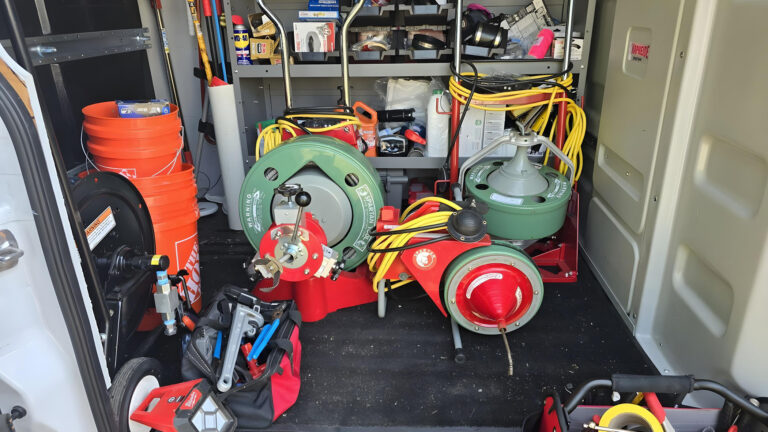
Finding a slab leak or hidden slow leak isn’t something you can do with a flashlight and a good eye. It takes pressure testing, acoustic detection equipment, or thermal imaging to pinpoint where the water is actually coming from.
What Good Plumbing Care Actually Looks Like
The best defense against both burst pipes and slow leaks is regular attention to your plumbing system before something goes wrong. That means knowing the age of your pipes, paying attention to changes in your water pressure, and not ignoring early warning signs like discoloration on walls or floors, unexplained spikes in your water bill, or the sound of running water when nothing is turned on.
When something does go wrong, speed matters. A burst pipe needs immediate shutoff of the main water valve to stop the damage from spreading. A slow leak or suspected slab leak needs professional diagnosis before any repair begins — guessing wrong and opening up the wrong section of wall or floor makes the situation worse, not better. The goal is always to fix the actual source of the problem, not just the visible symptom.
How Crest Plumbing Approaches These Problems
Here at Crest Plumbing, we’ve seen firsthand how a slow drip ignored for three months can turn into a mold remediation project. We’ve also responded to burst pipe emergencies where a homeowner didn’t know to shut the water off, and what could have been a contained repair turned into a flooded basement. These aren’t just cautionary tales — they’re the reason we take every call seriously, whether it’s a small concern or an obvious emergency.
Our team service Barnegat, NJ and the surrounding areas and has extensive experienced with the specific and some of the most common plumbing challenges that come with local homes. From old home construction, shifting soil conditions, foundation problems to seasonal temperature swings, we do it all.
When we come out for an inspection or a repair, we’re not just looking at the spot that’s causing trouble. We also look at the full picture. We know that in plumbing, the source of a problem and the place where it shows up are often very different locations. Our plumbing services in Barnegat, NJ are built around thoroughness, honest communication, and getting it right the first time.
Trust Only the Experts for All Your Plumbing Needs
Slow leaks, slab leaks, and burst pipes each carry their own risks — but they all share one thing in common: the longer they go unaddressed, the more expensive and complicated they become. Catching a problem early is almost always cheaper and less disruptive than dealing with the fallout after it’s had time to spread.
If something feels off with your plumbing — a sound, a smell, a bill that doesn’t add up — trust that instinct. Reach out to Crest Plumbing and let us take a look. A quick inspection now can save you from a major headache later, and that’s exactly the kind of call we’re always glad you made.