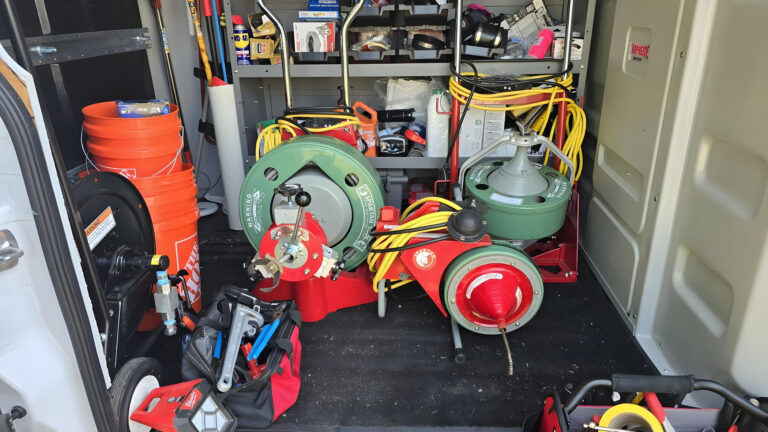
Cleaning kitchen sink drain, with a garbage disposal helps prevent clogs, remove odors and keep your kitchen plumbing working properly. Food scraps, grease and soap residue can build up over time which causes drainage and other plumbing problems.
With cleaning and proper maintenance you can keep your garbage disposal in good condition and reduce the risk of unexpected clogs.
Common Causes of Kitchen Sink Drain Clogs
Kitchen sink drains with garbage disposals can become clogged for several reasons.
- Grease and oil buildup: Cooking grease can stick to the inside of pipes and trap food particles.
- Food scraps: Excessive food waste can accumulate in the disposal or drain.
- Soap residue: Soap and grease can combine to create buildup inside pipes.
- Fibrous and starchy foods: Celery, corn husks, potato peels, rice, and pasta can contribute to clogs when disposed of improperly.
Understanding these causes can help you clean your drain effectively and prevent future problems.
How to Clean a Kitchen Sink Drain with Garbage Disposal
Follow these steps to clean your kitchen sink drain safely.
Step 1: Turn Off the Garbage Disposal
Before cleaning, turn off the garbage disposal. Cut off its power at the breaker or unplug it if it is easy to reach. Do not put your hands inside the disposal even if it looks like it is turned off.
Step 2: Remove Visible Debris
Use a flashlight to check the drain opening. If you notice food scraps or other things that do not belong there, take them out with tongs or pliers after making sure the power is disconnected. Do not put your hands inside the disposal.
Step 3: Clean the Rubber Splash Guard
Food particles and grease can build up underneath the rubber splash guard. This buildup often leads to odors. To clean it gently lift the edges that you can reach. Use dish soap and a soft brush to scrub the area. Be careful not to damage the rubber or knock it out of place. Clean it regularly to keep it fresh and prevent smells.
Step 4: Clean the Garbage Disposal
Follow the manufacturer’s cleaning instructions. If it is recommended, grind a few ice cubes with running water to help loosen residue from the disposal’s grinding components. You can also use a disposal- cleaning product to remove odors and buildup.
Avoid chemical drain cleaners. These can damage plumbing components. These can create safety hazards.
Step 5: Clean Around the Drain Opening
Use a sponge or a soft brush with soap to clean the drain opening and the surrounding sink surface. First remove any grease and residue from the drain opening. Then rinse the drain opening, with water.
Step 6: Flush and Test the Drain
Make sure all tools and cleaning materials have been removed. Restore power. Test the garbage disposal according to the garbage disposal manufacturers instructions. Run water and check whether the sink drains properly.
If water continues to drain or backs up into the sink a deeper blockage may require professional attention.
What to Avoid Putting Down the Drain
Proper garbage disposal use is essential to keep kitchen sink clogs. I know how frustrating it is when a sink gets clogged so do not put the following items down your drain:
- Grease, fats, and cooking oil: These can accumulate inside pipes and contribute to blockages.
- Fibrous vegetables: Celery, corn husks, and similar foods can wrap around disposal components.
- Excessive rice and pasta: These foods can absorb water and contribute to drain buildup.
- Large amounts of potato peels: Starchy peels can form a thick paste that may contribute to clogs.
- Items prohibited by the manufacturer: Bones, hard objects, and other unsuitable materials can damage the disposal.
Scrape food scraps into the trash or compost before washing dishes to reduce the amount of waste entering your drain.
Tips to Prevent Kitchen Sink Drain Clogs
Regular maintenance can help keep your kitchen sink drain clean and reduce plumbing problems.
- Run cold water while operating the garbage disposal, following the manufacturer’s instructions.
- Feed food scraps gradually instead of adding large amounts at once.
- Avoid pouring grease, oil, and fats into the sink.
- Clean the rubber splash guard regularly.
- Use a disposal-safe cleaner when needed to control odors.
- Address slow drainage before it develops into a more serious blockage.
These simple habits can help your garbage disposal operate properly and keep your kitchen drain flowing smoothly.
When to Call a Professional Plumber
Some kitchen sink drain problems cannot be resolved with routine cleaning. Contact a professional plumber if you experience any of the following issues:
- Persistent clogs: The sink remains blocked after basic cleaning.
- Recurring backups: Water repeatedly collects in the sink or backs up into another drain.
- Persistent odors: Unpleasant smells continue despite cleaning the disposal.
- Garbage disposal problems: The unit hums without operating normally, makes unusual noises, or stops working.
- Leaks beneath the sink: Water around the disposal, drain connections, or pipes may indicate a plumbing problem.
Avoid repeatedly operating a malfunctioning disposal or using chemical drain cleaners to force a blockage through. A plumber can identify the cause and recommend the appropriate repair.
Frequently Asked Questions
How often should you clean a garbage disposal?
Clean the rubber splash guard and drain opening regularly, ideally once a week or as needed. Follow the manufacturer’s recommendations for deeper cleaning and maintenance.
Can baking soda and vinegar clean a garbage disposal?
Baking soda and vinegar may help reduce some odors and loosen light surface residue, but they cannot reliably remove stubborn clogs. Use a disposal-safe cleaning method and contact a plumber if the blockage persists.
Why does my kitchen sink still smell after cleaning the disposal?
Lingering odors may come from food buildup underneath the splash guard, residue inside the drain, or a blockage farther down the pipe. If cleaning does not resolve the smell, a professional inspection may be necessary.
When should you call a plumber for a clogged kitchen sink?
Call a plumber when the sink remains clogged, repeatedly backs up, drains very slowly, or develops persistent odors. Professional drain cleaning can help address blockages that routine maintenance cannot remove.
Conclusion
I have learned that cleaning a kitchen sink drain with a garbage disposal is a part of maintaining kitchen plumbing. Removing food residue, cleaning the splash guard using the garbage disposal correctly and preventing grease buildup can help reduce odors and clogs. Cleaning a kitchen sink drain also keeps the water flowing
However persistent drainage problems may indicate a blockage that requires professional attention.
If your kitchen sink continues to clog or drain slowly Crest Plumbing can help diagnose the problem and recommend a drain‑cleaning solution. Crest Plumbing will examine the system. Find the best fix.
Contact Crest Plumbing for professional plumbing services, in Barnegat. Surrounding Ocean County communities to help keep your kitchen plumbing working properly.