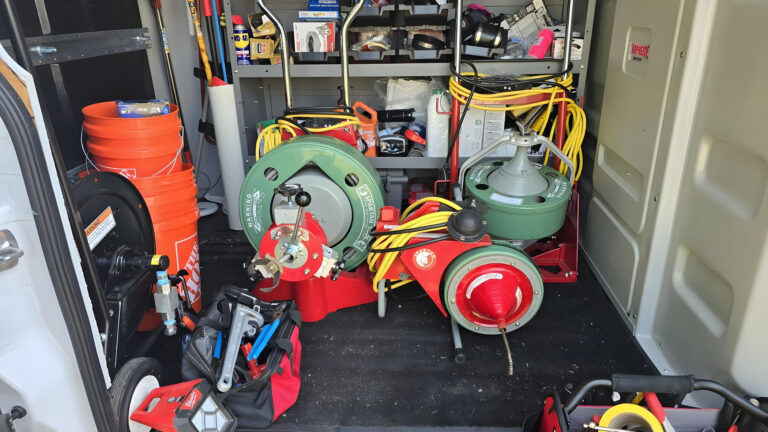
How to fix a recurring drain clog? To fix a recurring drain clog, remove the accumulated debris using a drain snake, clean the drain trap, or use a plunger for minor blockages. If the same drain keeps clogging, have the pipe inspected to identify deeper problems such as grease buildup, tree roots, mineral deposits, or damaged pipes. Repeatedly clearing the blockage without addressing its cause will only provide temporary relief.
A drain that keeps clogging usually has an underlying problem that has not been fully addressed. Even if water starts flowing again after clearing a sink, shower, or bathtub, debris may still be attached to the inside of the pipe. Hair, grease, soap residue, food particles, and mineral buildup can gradually restrict water flow and cause another blockage.
Using a plunger or chemical drain cleaner repeatedly may provide short-term relief, but these methods do not always remove the buildup responsible for recurring clogs. The better approach is to identify the source of the blockage, clean the affected pipe properly, and check for any underlying plumbing problems.
For homeowners dealing with repeated drain clogs, the right solution depends on where the blockage is located, what material is accumulating inside the pipe, and whether the problem affects one fixture or multiple drains throughout the property.
This guide explains how to fix a recurring drain clog, which cleaning methods you can try at home, and when to contact a professional drain cleaning service like Crest Plumbing.
Identify Why the Drain Keeps Clogging
I know it can be frustrating when the blockage keeps returning. Before you try another drain-cleaning method, figure out why the blockage keeps returning. Different drains gather different kinds of debris, and the right solution depends on the material that is causing the restriction.
Here are some common causes.
Hair and Soap Buildup
Bathroom sinks, bathtubs and shower drains often gather hair, soap leftovers, shampoo and other things people use to take care of themselves. Hair can get caught near the drain plug or inside the pipe. Soap leftovers then stick to the hair and other stuff making the clog more difficult to get rid of.
You might see that water flows after taking a shower or that water gathers near your feet when you are taking a bath. Taking out the hair you can see might help. It does not always get rid of the stuff that is deeper, in the drain pipe.
Grease and Food Waste
Kitchen drains often get clogged again and again. The main reasons are grease, cooking oil, bits of food and leftover food particles.
Grease can be a problem. It sticks to the inside of the pipes. Even if hot water pushes some of it down the drain it cools down. Hardens. When that happens it clings to the pipe walls.
After a while more food bits build up around the grease. This makes the space for water to flow smaller and smaller. Slowly the drain becomes narrower. Eventually the water can’t move through easily.
Mineral Deposits
Hard water is full of minerals that can pile up inside plumbing pipes. Calcium and magnesium deposits can slowly make the inside of the plumbing pipe smaller, which lets other debris get stuck easily.
This kind of buildup is not always something that a household drain cleaner can get rid of. In some cases you need a professional to inspect and clean the plumbing.
Problems in the Main Drain Line
Sometimes a recurring clog is not limited to one sink or one shower. The clog may be down the plumbing system even, inside the main sewer line.
Tree roots, damaged pipes, accumulated debris and other obstructions can block wastewater movement.
If several drains are backing up at the time or if you see water rising through another fixture while you use a sink or a toilet the clog may involve the main drain or the sewer line.
Improper Drain Installation or Damaged Pipes
A drain that repeatedly clogs despite regular cleaning may have a structural plumbing problem.
Examples include:
- Pipes installed with insufficient slope.
- Sections of pipe that sag and collect wastewater.
- Misaligned pipe connections.
- Corrosion inside older plumbing.
- Cracked or collapsed drain pipes.
- Tree roots entering underground sewer lines.
Cleaning may temporarily restore water flow, but it will not correct these underlying conditions.
Remove Visible Debris From the Drain
If the recurring clog is in a bathroom sink, bathtub, or shower, I would start by checking the drain opening.
I would then remove the drain cover or stopper if I can safely remove it. I look for hair, soap residue, and other debris that may be restricting water flow.
I can use a drain cleaning tool designed to pull hair and debris out of household drains. I insert the tool carefully, follow the product instructions, and remove the material trapped inside.
I dispose of the collected debris instead of pushing it farther into the pipe.
For kitchen sinks, I remove food waste from the drain opening and clean the sink strainer. If the sink has a drain basket, I check whether food particles have collected underneath the drain basket.
Important: I avoid forcing tools into the plumbing. I could damage pipe materials, disturb connections, or push the obstruction farther into the drain.
After removing the debris, I run water to check whether drainage has improved. If the same problem returns afterward, the blockage may be deeper, inside the plumbing system.
Use a Plunger to Clear the Blockage
A plunger can help remove certain drain obstructions by creating pressure that moves debris through the pipe or loosens material stuck inside it.
However, using the correct plunger and technique matters.
For a sink or bathtub:
- Remove standing water if the fixture is excessively full.
- Make sure the plunger cup covers the drain opening completely.
- If the sink has an overflow opening, seal it with a wet cloth.
- Add enough water to cover the plunger cup.
- Press down gently to create a seal.
- Pump the plunger up and down several times without breaking the seal.
- Lift the plunger and check whether the water drains.
You may need to repeat the process a few times.
For a double kitchen sink, seal the second drain opening while plunging the clogged side. Otherwise, the pressure may escape through the other opening instead of working against the blockage.
Do not plunge aggressively if you suspect a damaged pipe or if chemical drain cleaner is still sitting inside the fixture. Chemical products can splash back and cause serious injuries.
If plunging restores drainage but the same clog returns, it is worth investigating what remains inside the pipe.
Clean the Drain Trap
The drain trap is the curved section of pipe underneath most sinks. It holds a small amount of water to prevent sewer gases from entering the home.
It can also collect debris.
Kitchen sink traps may contain grease, food particles, and other waste. Bathroom sink traps commonly collect hair, toothpaste residue, and soap buildup.
Cleaning the trap can help when the blockage is located close to the fixture.
To inspect it:
- Place a bucket underneath the sink.
- Wear gloves and prepare towels to catch spilled water.
- Carefully loosen the trap connections if they are accessible.
- Remove the trap and empty its contents into the bucket.
- Clean the inside of the trap and inspect the connections.
- Reinstall the trap securely.
- Run water and check for leaks.
Some traps are difficult to access, especially in older plumbing systems or installations with limited space. If the connections are corroded, brittle, or difficult to loosen, avoid forcing them.
Cleaning the trap will not fix a blockage farther down the drain line. If the trap is clear but the sink continues draining slowly, the obstruction may be deeper in the plumbing.
Use a Drain Snake for Deeper Blockages
If removing visible debris, plunging, and cleaning the trap do not solve the problem, a drain snake may help reach a blockage farther inside the pipe.
A drain snake, also called a drain auger, uses a flexible cable to reach obstructions that ordinary household tools cannot access.
For a bathroom sink or shower, a small hand-operated drain snake may be enough to remove hair and other debris. Feed the cable slowly into the drain and follow the manufacturer’s instructions. When you encounter resistance, rotate the handle carefully to help catch or break apart the obstruction.
Pull the cable back out slowly. Check whether it has collected hair, soap residue, or other material.
For toilets, use a toilet auger specifically designed for the fixture. A regular sink snake may scratch the porcelain or become stuck in the toilet’s internal passages.
There are limitations to this method. A drain snake can open a path through a blockage without completely cleaning the pipe walls. For example, it may break through a thick accumulation of grease while leaving much of the grease attached to the inside of the pipe.
That remaining buildup can collect more debris and cause another blockage.
If the same drain continues clogging after repeated snaking, professional inspection may be necessary to determine whether the problem involves heavy buildup, a damaged pipe, or a restriction farther down the line.
Consider Professional Drain Cleaning
When household methods do not provide lasting results, professional drain cleaning may be the next step.
A plumber has access to specialized equipment designed to reach deeper into plumbing systems and remove stubborn obstructions.
The cleaning method depends on what is causing the clog.
Professional Drain Snaking
Professional drain snakes are more powerful than most small household tools. They can reach deeper sections of the plumbing system and handle certain blockages that basic equipment cannot remove.
This method is commonly used for:
- Hair accumulation.
- Paper and other solid obstructions.
- Certain food waste blockages.
- Debris trapped inside drain lines.
- Localized restrictions in accessible pipes.
The goal is to break apart or retrieve the material blocking the drain and restore wastewater flow.
Hydro Jetting
Hydro jetting is another option for recurring drain clogs, particularly when grease, sludge, and other buildup have accumulated along the inside of the pipe.
The process uses specialized equipment to send highly pressurized water through the plumbing system. The water helps remove material attached to the pipe walls instead of simply creating a narrow opening through the obstruction.
Hydro jetting may be useful for:
- Heavy grease accumulation.
- Sludge buildup.
- Soap and organic residue.
- Certain mineral deposits.
- Repeated blockages caused by accumulated debris.
However, hydro jetting is not suitable for every plumbing system. Older, cracked, severely corroded, or damaged pipes may not be able to withstand the pressure.
A plumber should evaluate the pipe’s condition before recommending this cleaning method.
Crest Plumbing provides drain cleaning and hydro jetting services in Barnegat and throughout Ocean County, New Jersey. Its approach considers the type of blockage and the condition of the plumbing before choosing the appropriate equipment.
Schedule a Sewer Camera Inspection if the Clog Keeps Returning
Sometimes, the problem is not something that ordinary drain cleaning can fix.
If the same drain continues clogging despite professional snaking or cleaning, there may be a structural problem inside the pipe. A sewer camera inspection can help identify the cause.
During this service, a plumber inserts a specialized waterproof camera into an accessible section of the drain or sewer line. The camera sends video footage to a monitor, allowing the technician to examine the interior of the pipe.
A camera inspection can help identify:
- Tree roots growing into the sewer line.
- Cracks or damaged pipe sections.
- Corrosion inside older pipes.
- Misaligned pipe connections.
- Collapsed or obstructed sections.
- Heavy buildup that restricts wastewater flow.
- Standing water caused by pipe slope problems.
This is particularly useful when multiple drains are affected or when a blockage returns shortly after cleaning.
For example, a drain snake may temporarily clear a sewer line containing tree roots. However, if the roots entered through a crack or damaged connection, they can continue growing inside the pipe.
Removing the roots does not automatically repair the opening that allowed them to enter.
A camera inspection helps determine whether cleaning is enough or whether a pipe repair or replacement should be considered.
Crest Plumbing offers sewer camera inspection services to help homeowners identify hidden drain and sewer problems before deciding on more extensive plumbing work.
Know When a Recurring Drain Clog Requires a Plumber
Not every clogged drain requires professional service. A small blockage near the drain opening can often be handled with basic cleaning tools.
However, certain symptoms suggest that the problem is more complicated.
Contact a plumber if you notice:
Several drains are slow at the same time. If the kitchen sink, bathroom sink, and shower are all draining slowly, the restriction may be in a shared drain line or the main sewer line.
Water backs up into another fixture. For example, using the washing machine causes water to appear in a bathtub or floor drain. This can indicate a downstream drainage obstruction.
You hear gurgling sounds. Gurgling from sinks, toilets, or showers can indicate problems with drainage or venting. It should be investigated when accompanied by recurring clogs or backups.
There is a persistent sewage smell. Sewer odors around drains can indicate a trap, vent, or sewer-line problem. The source should be identified rather than covered with air fresheners.
The drain clogs again shortly after cleaning. If the same blockage returns within days or weeks, something may still be restricting the pipe.
Wastewater backs up into the property. This requires prompt attention. Avoid contact with sewage-contaminated water and stop using affected fixtures until the problem has been assessed.
If you experience several of these symptoms, repeatedly using household drain cleaners is unlikely to provide a lasting solution.
How to Prevent Recurring Drain Clogs
Once the blockage has been removed, proper drain maintenance can help reduce the chances of another problem.
Prevention does not require complicated equipment. Most of it involves changing what enters the plumbing system and paying attention to early warning signs.
Keep Grease and Cooking Oil Out of Kitchen Drains
Never pour cooking grease, oil, or fat directly into the sink.
Allow it to cool and dispose of it in an appropriate container. Use a sink strainer to catch food particles before they enter the drain.
Even small amounts of grease can accumulate over time, particularly when combined with food waste.
Install Drain Covers in Bathrooms
Hair is one of the most common causes of bathroom drain clogs.
A removable drain cover or hair catcher can prevent much of it from entering the plumbing system. Clean the cover regularly so collected hair does not restrict drainage.
Avoid Flushing Items That Do Not Belong in Toilets
Toilets should only receive human waste and toilet paper.
Do not flush:
- Paper towels.
- Baby wipes, including products labeled flushable.
- Feminine hygiene products.
- Cotton swabs.
- Dental floss.
- Disposable cleaning materials.
These items can collect inside pipes and contribute to recurring blockages.
Clean Drain Stoppers Regularly
Bathroom sink stoppers can collect hair, toothpaste, soap residue, and other debris.
Remove and clean accessible stoppers periodically. This simple maintenance step can prevent material from accumulating near the drain opening.
Pay Attention to Slow Drainage
Do not wait until water stops draining completely.
If a sink or shower begins draining more slowly than usual, check the drain opening and remove visible debris. If the problem continues, have the plumbing checked before the blockage becomes more severe.
Schedule Professional Cleaning When Necessary
Properties with frequent grease buildup, heavy drain use, or recurring sewer problems may benefit from professional maintenance.
For commercial kitchens, grease trap maintenance is particularly important. However, cleaning the grease trap alone may not address grease accumulation farther down the connected drain line.
Why Does the Same Drain Keep Clogging After Professional Cleaning?
If a plumber has already cleaned the drain and the blockage keeps returning, the next step should be identifying what was left unresolved.
There are several possible explanations.
The blockage was only partially removed. A drain snake may have broken through the obstruction without removing all the material attached to the pipe walls.
There is a problem farther down the line. Cleaning one section of the plumbing does not necessarily remove a restriction in another section.
The pipe is damaged. Cracks, displaced connections, and collapsed sections can catch debris and cause repeated blockages.
Tree roots are entering the sewer line. Roots can continue growing through existing openings if the damaged section is not repaired.
The pipe has poor drainage. A section with improper slope or standing water may allow debris to accumulate repeatedly.
In these situations, repeating the same cleaning method without further inspection may lead to additional service calls. A proper diagnosis helps determine whether the drain needs deeper cleaning, camera inspection, or plumbing repairs.
Frequently Asked Questions About Recurring Drain Clogs
1. Why does my drain keep clogging even after I clean it?
The blockage may not have been completely removed. Hair, grease, soap residue, and other debris can remain attached to the pipe walls. Structural problems, tree roots, and damaged connections can also cause recurring clogs.
2. What is the best way to fix a recurring drain clog?
The best solution depends on the cause. Removing visible debris, plunging, cleaning the drain trap, and using a suitable drain snake can help with minor blockages. Persistent problems may require professional snaking, hydro jetting, or a sewer camera inspection.
3. Does baking soda and vinegar fix recurring drain clogs?
Baking soda and vinegar may help with light residue, but they are not reliable solutions for heavy grease, compacted hair, tree roots, or damaged pipes. They should not be considered a replacement for proper drain cleaning.
4. Is hydro jetting good for recurring drain clogs?
Hydro jetting can be effective for removing grease, sludge, and accumulated debris from suitable pipes. However, the pipe should be inspected or evaluated first to make sure it can handle high-pressure water cleaning.
5. How do I know if the clog is in the main sewer line?
Common warning signs include multiple slow drains, gurgling toilets, sewage odors, and wastewater backing up into other fixtures. These symptoms can indicate a main sewer line problem, although a plumbing inspection is needed to confirm the cause.
6. Can tree roots cause the same drain to clog repeatedly?
Yes. Tree roots can enter sewer lines through cracks and damaged connections. They collect debris and restrict wastewater flow. Clearing the roots may restore drainage, but repairing the damaged pipe may be necessary to prevent another blockage.
7. When should I call a plumber for a recurring drain clog?
Call a plumber when the same drain repeatedly becomes blocked, household cleaning methods no longer work, multiple fixtures are affected, or wastewater backs up into the property. These symptoms may indicate a deeper plumbing problem.
Conclusion
Fixing a recurring drain clog requires more than removing the blockage that is visible from the drain opening. The important part is finding out why the obstruction keeps returning.
Start by checking for visible debris, cleaning accessible drain components, and using appropriate tools for minor blockages. If the drain continues to clog, the problem may involve deeper buildup, a damaged pipe, tree roots, or a restriction in the main sewer line.
Professional drain snaking, hydro jetting, and sewer camera inspections can help identify and address problems that household cleaning methods cannot resolve.
For homeowners and businesses in Barnegat and Ocean County, Crest Plumbing provides recurring clog services, professional drain cleaning, hydro jetting, and sewer camera inspections. The goal is to identify the source of the blockage, choose the appropriate cleaning or repair method, and help prevent the same drainage problem from returning.
If your drain keeps clogging despite repeated cleaning, contact Crest Plumbing at (877) 939-2122 for plumbing assistance.