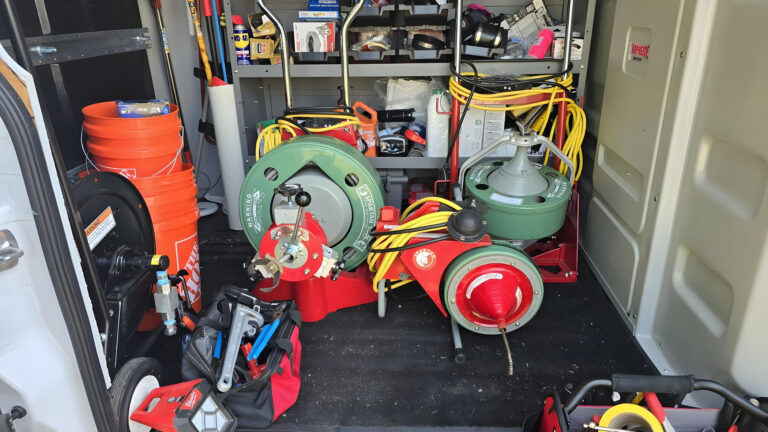
The purpose of toilet unclogging is to clear the obstruction from an overflowing toilet, a clogged septic system or problems in the toilet drain pipe from too much toilet paper. A flange plunger will remove most clogs, but if the clogs keep repeating, there may be a bigger problem with the plumbing that needs repair.
What Causes a Toilet to Clog?
Several factors can cause a toilet to clog, including:
1. Excessive Toilet Paper
Too large of a toilet paper can block the toilet trap or drain pipe. This problem can be avoided if smaller amounts are used and flushed accordingly.
2. Flushing Non-Flushable Items
Foreign objects such as wet wipes, tissues, feminine hygiene products, cotton swabs, and anything else wet or dry can get stuck in the plumbing. Products, even if they claim to be “flushable,” can help cause a clog.
3. Weak Toilet Flushing
This can be caused by low water level, defective flushing parts or mineral deposits. If the toilet is not getting the waste to drain, then the toilet will clog more often.
4. Blocked Toilet Trap or Drainpipe
A blockage in the toilet trap or connected drainpipe may be caused by waste, foreign items, or debris. This can lead to slow drainage, high water levels or recurring blockages.
5. Sewer Line Problems
Toilet clogs often happen over and over again because of tree roots, leaks or blockages in the main sewer line. If multiple drains get backed up or if wastewater shows up in other drains, the issue could be more widespread in the plumbing system.
Effective Toilet Unclogging Methods
The right toilet unclogging method depends on the severity and location of the blockage.
1. Use a Flange Plunger
A flange plunger is one of the most effective tools for clearing common toilet clogs.
- Position the plunger over the toilet drain to create a tight seal.
- Ensure enough water covers the rubber cup.
- Push and pull steadily without breaking the seal.
- Remove the plunger and check whether the water drains normally.
Avoid repeated flushing while the toilet remains clogged, as this can cause an overflow.
2. Use a Toilet Auger
A toilet auger can get at blockages that can’t be solved by a plunger. Slowly push the auger into the toilet drain, and do as it says to unclog or remove the blockage. Do not forcibly install it because there is a potential of damaging the toilet.
3. Try Warm Water and Dish Soap
If there is a small blockage, soaking the obstruction in a small amount of dish soap and warm (but not boiling) water can help lubricate the blockage. Wait a little to see if it will work before attempting to plunge the toilet.
This technique does not always work, particularly if there is a solid piece of stool or a deeper blockage.
4. Avoid Harsh Chemical Drain Cleaners
Chemical drain cleaners can create safety hazards and may damage plumbing components. Do not mix cleaning products. If plunging and an appropriate toilet auger do not clear the blockage, contact a professional plumber.
What Should You Do When a Toilet Is Overflowing?
If the toilet water begins rising toward the rim, stop flushing immediately. Turn off the toilet’s water supply valve if it is safe to reach, and protect the surrounding floor from contaminated water.
If sewage backs up into the toilet or other fixtures, avoid using affected plumbing until the cause is identified. A plumber can determine whether the problem is a local blockage or a larger sewer line issue.
When Should You Call a Professional for Toilet Unclogging?
Professional toilet unclogging may be necessary when:
- The toilet remains clogged after using a plunger.
- The same toilet clogs repeatedly.
- Water drains slowly from several fixtures.
- Sewage backs up into the toilet, shower, or other drains.
- You suspect a foreign object or sewer line obstruction.
A professional plumber can inspect the drain, locate the blockage, and recommend an appropriate solution. Addressing the underlying cause can help prevent the same problem from returning.
How Can You Prevent Future Toilet Clogs?
Preventing toilet clogs starts with proper flushing habits and routine maintenance.
- Flush only human waste and toilet paper.
- Keep wipes, paper towels, and hygiene products out of the toilet.
- Avoid flushing excessive amounts of toilet paper at once.
- Address weak flushing and low water levels promptly.
- Seek professional help if clogs occur repeatedly.
These simple practices can reduce the risk of blockages and help keep your plumbing system working properly.
Frequently Asked Questions About Toilet Unclogging
What Is the Fastest Way to Unclog a Toilet?
A flange plunger is usually the best first option for a common toilet clog. If the blockage does not clear, a toilet auger may help remove it.
Can a Toilet Unclog Itself?
Some minor blockages may clear as toilet paper breaks down, but you should not rely on this. If the water level rises, the toilet drains slowly, or the clog persists, stop flushing and address the blockage.
Can Dish Soap Help Unclog a Toilet?
Dish soap may help lubricate a minor blockage, especially when combined with warm water. However, it will not reliably clear solid objects or severe drain obstructions.
Why Does My Toilet Keep Clogging After Plunging?
Repeated clogs may indicate an obstruction deeper in the drainpipe, a weak flush, or a sewer line problem. A professional inspection can help identify the cause.
When Should I Call a Plumber for a Clogged Toilet?
Call a plumber when basic unclogging methods fail, the toilet repeatedly backs up, multiple drains are affected, or sewage appears in other fixtures.
When Toilet Clogs Keep Coming Back, Find the Cause
The first step to an effective toilet cleaning is to determine the problem and apply the proper solution. Many small blockages can be cleared with a flange plunger and a toilet auger may be used for more persistent clogs. Do not use strong chemical cleaners and if the toilet is near overflow, stop flushing.
If you are having repeated problems with your toilet clogging or several drains are becoming clogged, Crest Plumbing can help determine the cause of the issues and the necessary plumbing repair! Visit Crest Plumbing to learn more about its plumbing and drain services.