What is commercial plumbing? Commercial plumbing is the installation, repair, examination and maintenance of plumbing in commercial buildings and business properties. These systems provide clean water, provide hot water, remove wastewater, and enable the daily operation of facilities including restaurants, office buildings, retail stores, warehouses, schools and other commercial facilities.
Commercial plumbing systems are usually engineered to serve many more water outlets and demands than residential plumbing systems, and may frequently be used throughout the day. For instance, in a restaurant, there could be multiple kitchen sinks, multiple dishwashing stations, multiple restrooms, multiple floor drains, multiple grease traps, and multiple water heaters running simultaneously. For an office building, water may need to be provided to multiple floors, restrooms, break rooms, as well as shared facilities.
These systems have more users and usage, so they must be properly installed, regularly inspected and promptly repaired. Plumbing issues in commercial buildings can impact business activities, employees, customers, and tenants. In certain instances, it may even lead a business to temporarily shut down until the problem can be addressed.
If you know what commercial plumbing involves, you will be better able to identify issues early and take the proper steps so they can fix their properties.
What Does Commercial Plumbing Include?
Commercial plumbing encompasses a number of systems and services that provide water supply and safe disposal for water from a business property. This will depend on the building, its size, the number of people in the building and its uses.
Plumbing systems for commercial buildings are relatively simple in some cases. Others need more specialized equipment, larger pipes, multiple water heaters, pressure control systems and commercial drainage equipment.
Here are some of the main components and services involved.
1. Commercial Water Supply Systems
The water supply system provides clean water to a commercial building. It links the building to the water supply from the city or another water source and also supplies water to the sinks, toilets, kitchen appliances, water heaters and other fixtures.
Installing booster pumps and pressure regulation equipment could be necessary in larger buildings to ensure the water stays at a constant pressure, especially if it will be used to serve water level floors.
Low water pressure can cause disruption to everyday life. Sinks may be hard to use for employees, restrooms may be inconvenient for customers, or equipment in the commercial kitchen may not be getting water.
Commercial plumbers examine the supply lines, valves, connections, and pressure control equipment to detect any restrictions, leaks, or issues. These can also include repairing damaged pipes and recommending adjustments in the event that the building’s water needs are not being met.
2. Commercial Drainage and Sewer Systems
Wastewater from sinks, toilets, floor drains, kitchen plumbing, and other plumbing is separated from the rain by means of a drainage system. Wastewater flows by gravity in the storm drain pipes to the building’s sewer system or to an approved onsite disposal system.
Commercial drainage systems are used regularly. In a restaurant, for instance, the area of the food preparation room, the dishwashing station and the kitchen sink produce wastewater that flows into the restaurants’ drainage system. A building may also have several sets of restrooms that are used during business hours, such as offices and retail stores.
Particles of grease, food and soap Film, paper products and other trash can build up in pipes. This buildup can eventually clog the water flow and lead to regular clogs over time.
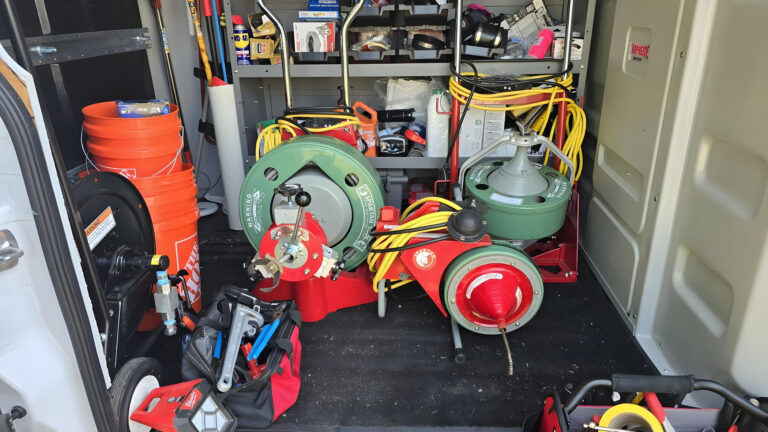
Commercial Drain Cleaning services can come to the rescue by clearing these blockages and preventing them from turning to bigger drainage issues. The plumber can use a hydro jet, mechanical cleaning tools or snakes to unclog blockages in the pipes depending on their condition.
Another benefit of sewer camera inspections is that it helps to determine the true cause of the issues. A plumber can tell right away whether or not a certain blockage is coming back over and over, without having to go into the pipe to see; they can see inside the pipe and look for other damage, like buildup, cracks, root intrusion, etc.
3. Commercial Water Heaters
Hot water requirements are often a priority for businesses, ensuring it is available whenever they are in operation. Hot water is used in restaurants to wash dishes, clean equipment and keep everything sanitary. Other commercial establishments such as hotels and health care facilities have large hot water demands as well.
Typically, commercial water heaters are sized to provide more production than residential heaters. A building can have a large-capacity storage water heater, a commercial tankless (on-demand) water heater or more than one, depending on the property.
A malfunctioning commercial water heater can have more than just a nuisance effect. A restaurant might start to find it difficult to finish the dish washing tasks and a facility might not be able to get the hot water they need for their regular functioning.
Common water heater problems include:
- Inconsistent hot water temperatures.
- Water taking too long to heat.
- Leaks around the tank or connected pipes.
- Unusual noises coming from the equipment.
- Sediment buildup inside the tank.
- Faulty heating elements, thermostats, or other components.
Routine inspections and maintenance help identify these problems before the equipment fails completely.
4. Grease Traps and Grease Interceptors
In restaurants and other food service establishments, grease traps are crucial components of the plumbing system. They are used to separate fats, oils, and/or grease from wastewater prior to it entering the drainage system.
If not managed correctly, fats and oils can build up in pipes and cause significant blockages. This can result in slow drains, foul odors, sewage backing up and expensive plumbing repairs.
The function of a grease trap is to slow down the flow of the wastewater to allow the lighter grease and other trapped solids to separate from the water. The grease collected remains in the unit, and the wastewater flows on into the drainage system.
But grease traps must be cleaned and serviced on a regular basis. If the unit fills up excessively, it might not separate grease anymore.
Commercial plumbers can install, inspect, repair and maintain grease traps as needed to meet the requirements of the property and any applicable local requirements. Maintenance is equally crucial for restaurant owners to keep this kind of equipment in a proper condition and have a working kitchen drainage system.
5. Commercial Plumbing Fixtures
Commercial plumbing fixtures include the sinks, faucets, toilets, urinals, drinking fountains, and other water-connected equipment used inside business properties.
These fixtures are often used more frequently than residential fixtures. A public restroom in a busy retail store, for example, may serve hundreds of people throughout the day.
Frequent use can cause worn components, loose connections, leaking faucets, running toilets, and damaged flush valves.
A commercial plumber can repair existing fixtures or install replacements designed for the building’s usage requirements. Proper fixture selection also matters because the wrong equipment may not handle the expected water demand or may require more frequent repairs.
6. Water Pressure and Control Equipment
Maintaining proper water pressure is another important part of commercial plumbing.
Buildings with multiple floors or extensive plumbing networks may experience uneven pressure. Water pressure that is too low can affect fixtures and equipment, while excessive pressure can place unnecessary stress on pipes, valves, and connections.
Commercial plumbers evaluate the water distribution system to determine whether pressure problems are caused by leaks, restrictions, faulty valves, pump issues, or incorrectly adjusted pressure regulators.
Some properties require booster pumps or other pressure management equipment to maintain consistent water delivery throughout the building.
What Types of Buildings Need Commercial Plumbing?
Commercial plumbing is used in many different types of properties. The plumbing requirements depend on how the building is used and how many people rely on its water and drainage systems.
Some common examples include:
Restaurants and commercial kitchens: These properties need reliable water supply lines, commercial sinks, dishwashing connections, floor drains, grease traps, and properly functioning hot water systems.
Office buildings: Office properties typically have multiple restrooms, break rooms, water fountains, water heaters, and drainage systems serving employees and visitors.
Retail stores and shopping centers: These buildings need plumbing systems that can support public restrooms, employee facilities, cleaning stations, and other water-connected equipment.
Warehouses and industrial facilities: Depending on the operation, these properties may require specialized water supply lines, drainage systems, floor drains, pumps, and equipment connections. Industrial process piping may also require separate technical standards and specialist contractors.
Hotels and apartment complexes: Multi-unit properties have higher water demand because several occupants use bathrooms, kitchens, laundry facilities, and shared plumbing systems.
Schools and healthcare facilities: These buildings need dependable plumbing systems to support sanitation, restrooms, handwashing stations, and specialized equipment.
Each type of property has different requirements. A commercial plumber needs to understand the building’s layout, expected water demand, equipment, and applicable plumbing codes before recommending repairs or installations.
What Is the Difference Between Commercial and Residential Plumbing?
Commercial and residential plumbing perform the same basic functions. Both provide clean water, distribute hot water, and remove wastewater. The main difference is the size, complexity, usage, and requirements of the systems.
Residential plumbing is designed primarily for individual homes and smaller numbers of occupants. A typical household may have a few bathrooms, a kitchen, a laundry area, and one main water heater.
Commercial plumbing systems are often more extensive. They may serve multiple floors, dozens of restrooms, commercial kitchens, employees, customers, and large amounts of equipment.
There are several important differences.
Water demand: Commercial properties generally experience higher and more frequent water demand. Their systems must be sized to support the expected number of users and simultaneous fixture usage.
Pipe size and system layout: Commercial buildings may require larger supply and drainage pipes, additional valves, pumps, and more complex piping arrangements.
Equipment: Commercial properties can use larger water heaters, grease interceptors, booster pumps, commercial fixtures, and specialized drainage equipment.
Maintenance requirements: Heavy usage can cause components to wear faster. Commercial properties often benefit from scheduled inspections and preventive maintenance.
Plumbing codes: Commercial installations must comply with applicable building and plumbing codes, permit requirements, and local regulations. Requirements vary depending on the jurisdiction and type of facility.
Business impact: A plumbing failure in a home can disrupt a household. A failure in a commercial property can affect customers, employees, tenants, revenue, and business operations.
This is why commercial plumbing work requires an understanding of larger systems and the specific demands of the property.
Why Is Commercial Plumbing Important for Businesses?
A properly functioning plumbing system is necessary for maintaining a safe and usable commercial property. Businesses depend on clean water, working restrooms, functioning drainage systems, and reliable hot water to operate normally.
When something goes wrong, the problem can affect several areas of the business at once.
Prevents Water Damage
A leaking water main, damaged supply pipe, or failed plumbing connection can release a large amount of water into a commercial building. Water can damage flooring, walls, ceilings, electrical equipment, stored products, and other property.
Finding leaks early and repairing damaged pipes helps reduce the risk of extensive water damage.
Supports Sanitation and Hygiene
Commercial properties need working sinks, toilets, drainage systems, and hot water equipment to maintain proper sanitation.
Restaurants and food service businesses have additional responsibilities because their plumbing systems support food preparation and cleaning activities. A drainage backup or malfunctioning grease trap can create sanitation concerns and may affect the property’s ability to operate.
Reduces Unexpected Business Interruptions
A clogged main drain, broken water line, or failed water heater can interrupt normal business activities.
For example, a restaurant may not be able to use its kitchen properly if wastewater cannot drain. An office building may have to restrict restroom access if its main drainage system becomes blocked.
Prompt commercial plumbing repairs help restore essential services and limit downtime.
Helps Control Repair and Operating Costs
Small plumbing problems can become more expensive when ignored. A minor leak may gradually damage building materials, while a partially blocked drain can eventually develop into a complete backup.
Regular inspections help identify developing problems. Preventive maintenance can also help extend the service life of pipes, fixtures, pumps, and water heating equipment.
Common Commercial Plumbing Problems
Commercial plumbing systems experience several types of problems because of frequent use, aging infrastructure, poor maintenance, and the demands of different business operations.
Some issues require immediate attention, while others may develop gradually.
Clogged Commercial Drains
Commercial drains can become blocked by grease, food waste, soap residue, paper products, and other materials.
Restaurants are particularly vulnerable to grease-related blockages. Office buildings and retail properties may experience restroom drain problems caused by excessive paper products or objects entering the plumbing system.
Recurring clogs should not simply be cleared repeatedly without investigating the cause. A camera inspection may reveal pipe damage, heavy buildup, or another issue deeper inside the drainage system.
Water Main Breaks
Water main breaks can cause significant damage to commercial properties. A damaged main line may interrupt the building’s water supply and allow water to enter parking areas, sidewalks, landscaping, or interior spaces.
Signs of a possible water main problem include unexplained water pooling, sudden pressure changes, unusually high water bills, and visible leaks.
A commercial plumber can use leak detection equipment to locate the affected section and determine the appropriate repair method.
Low or Inconsistent Water Pressure
Low water pressure can affect multiple fixtures throughout a building. The cause may be a hidden leak, clogged piping, faulty pressure regulator, malfunctioning pump, or problem with the incoming water supply.
Commercial buildings with several floors may need pressure management equipment to distribute water properly.
The entire system should be evaluated before replacing individual fixtures because the issue may be somewhere in the main supply network.
Sewer Line Problems
Sewer line damage and blockages can cause slow drainage, unpleasant odors, gurgling sounds, and wastewater backups.
In more serious situations, sewage may enter restrooms, kitchens, or other occupied areas.
Camera inspections can help locate the source of the problem. Depending on the findings, the repair may involve drain cleaning, pipe repair, or sewer line replacement.
Leaking Pipes and Plumbing Connections
Leaks can develop around pipe joints, valves, fixtures, and equipment connections. Some are easy to notice, while others occur behind walls, beneath floors, or in utility areas.
Unnoticed leaks can damage building materials, encourage mold growth, and increase water costs.
Commercial properties should investigate unexplained moisture, water stains, persistent dampness, and unexpected increases in water usage.
How Is Commercial Plumbing Installed and Repaired?
Commercial plumbing work begins with understanding the building’s requirements and identifying the problem that needs to be addressed.
The process varies depending on whether the project involves a new installation, routine maintenance, or an emergency repair.
1. Inspecting the Plumbing System
The plumber first evaluates the affected equipment, pipes, fixtures, and connections.
For a new installation, this may involve reviewing building plans, fixture locations, expected water demand, drainage requirements, and the intended use of the property.
For an existing system, the inspection helps identify leaks, blockages, damaged pipes, pressure problems, or failing equipment.
2. Diagnosing the Problem
Once the inspection is complete, the plumber determines what is causing the issue.
Drainage problems may require sewer camera equipment to inspect the inside of pipes. Hidden water leaks may require specialized leak detection tools. Water pressure problems may involve testing the supply system, valves, and pumps.
Accurate diagnosis is important because treating only the visible symptom may not resolve the underlying problem.
3. Selecting the Correct Repair or Installation Method
The appropriate solution depends on the condition of the system.
A clogged drain may need mechanical cleaning or hydro jetting. A damaged pipe may require a localized repair or replacement. A commercial grease trap may need cleaning, adjustment, repair, or complete replacement.
For new construction, the plumber must ensure that pipe sizing, fixture connections, drainage slopes, and equipment capacities are appropriate for the building.
4. Completing the Work and Testing the System
After completing the repair or installation, the plumber checks the affected system to confirm that it is functioning correctly.
Testing may include checking for leaks, verifying water pressure, running fixtures, and confirming that wastewater drains properly.
Depending on the project, permits, inspections, testing documentation, and other approvals may also be required.
When Should a Business Schedule Commercial Plumbing Service?
Business owners should not wait until a plumbing system completely fails before arranging professional service.
Some warning signs indicate that an inspection or repair is needed.
Consider contacting a commercial plumber when you notice:
- Water pressure suddenly drops throughout the building.
- Multiple sinks or floor drains become slow.
- Toilets repeatedly clog or overflow.
- Water appears around pipes, walls, or floors.
- Sewer odors develop inside the property.
- Grease traps fill frequently or cause drainage problems.
- Water bills increase without an obvious explanation.
- Commercial water heaters cannot maintain a reliable hot water supply.
- The same plumbing problem keeps returning after repairs.
Some situations require emergency attention. A burst water main, major leak, sewage backup, or complete loss of essential plumbing services should be addressed promptly to reduce property damage and business disruption.
Crest Plumbing provides 24/7 commercial plumbing services in Barnegat, NJ, and throughout Ocean County for businesses that need assistance with urgent plumbing problems.
Common Commercial Plumbing Maintenance Mistakes
Even a well-installed plumbing system can develop problems without proper maintenance. Many expensive repairs happen because warning signs are ignored or maintenance is delayed.
Here are some mistakes business owners and property managers should avoid.
Ignoring recurring drain clogs: Repeatedly clearing the same blockage without identifying its cause can allow pipe damage or heavy buildup to continue.
Neglecting grease trap maintenance: Allowing grease traps to become overloaded can reduce their effectiveness and increase the risk of kitchen drainage backups.
Ignoring small leaks: A small leak may seem manageable, but continuous water loss can damage building materials and increase operating costs.
Using the wrong drain cleaning products: Strong chemical cleaners may be unsuitable for certain plumbing materials and commercial drainage systems. Using the wrong product can create additional problems instead of resolving the blockage.
Delaying professional inspections: Plumbing equipment and pipes can deteriorate over time. Waiting until a component fails may lead to emergency repairs and longer interruptions.
Choosing repairs based only on price: Commercial plumbing systems require appropriate materials, equipment, and installation methods. An inexpensive repair that does not address the actual problem may result in additional service costs later.
Why Professional Commercial Plumbing Maintenance Matters
Preventive maintenance helps businesses identify problems before they cause major damage or interrupt daily operations.
A commercial plumbing maintenance program should be based on the property’s size, plumbing equipment, usage patterns, and existing system condition.
Typical maintenance activities may include inspecting water supply pipes, checking valves and connections, monitoring water pressure, testing fixtures, examining drainage lines, and checking water heating equipment.
Restaurants may also need a specific maintenance schedule for grease traps and kitchen drainage systems.
Maintenance records are useful because they show which components have been inspected, what repairs were completed, and whether the same issue has occurred repeatedly. They also help property managers plan future repairs and replacements.
The U.S. Environmental Protection Agency recommends having a plumbing inspection and maintenance plan that includes scheduled inspections, maintenance records, and procedures for responding to problems. This approach helps reduce the risk of unnoticed leaks, flooding, and moisture-related damage.
For commercial properties, regular maintenance is not just about keeping fixtures operational. It helps protect the building, support sanitation, and reduce unexpected repair expenses.
Commercial Plumbing Services from Crest Plumbing
Crest Plumbing provides commercial plumbing services in Barnegat, NJ, and throughout Ocean County. The company works with businesses and commercial property owners that need help maintaining, repairing, and improving their plumbing systems.
Commercial plumbing needs vary from one property to another. A restaurant may need grease trap installation and repair, while an office building may need assistance with water pressure, drainage, or water main repairs.
Crest Plumbing offers several commercial plumbing solutions, including:
- Water Main Break Repairs: Locating and repairing damaged water mains to restore water service and help prevent further property damage.
- Commercial Plumbing Maintenance: Inspections and preventive repairs designed around the property’s plumbing requirements and operating schedule.
- Water Pressure Optimization: Evaluating and improving water pressure to support consistent water distribution throughout commercial buildings.
- Grease Trap Installation and Repair: Installing and repairing grease traps for restaurants and food service properties to help manage fats, oils, and grease.
- Drain and Sewer Services: Addressing blockages, drainage problems, and sewer line issues that can affect business operations.
- Drain Pipe Repair and Replacement: Repairing damaged pipes or replacing sections that can no longer function properly.
Crest Plumbing also provides 24/7 commercial plumbing assistance for urgent plumbing problems. Its service area includes Barnegat, Waretown, Manahawkin, Stafford Township, Beach Haven, Toms River, Long Beach Island, Forked River, Little Egg Harbor, Ship Bottom, Surf City, and other communities throughout Ocean County.
Businesses that need commercial plumbing repairs, inspections, or maintenance can contact Crest Plumbing at (877) 939-2122 to discuss their plumbing needs.
What Is Commercial Plumbing? Understanding Its Role in Your Business
Commercial plumbing includes the water supply, drainage, sewer connections, fixtures, equipment, and maintenance services needed to keep business properties operating properly. It covers everything from repairing leaking pipes and clearing commercial drains to installing grease traps, maintaining water heaters, and improving water pressure.
These systems handle frequent use and often have more complicated requirements than residential plumbing. A problem that appears minor at first can eventually affect sanitation, property conditions, operating expenses, and the ability to serve customers.
For business owners and property managers, understanding how commercial plumbing works makes it easier to recognize warning signs and plan necessary maintenance. Regular inspections, appropriate repairs, and professional installation help keep plumbing systems dependable and reduce the risk of unexpected disruptions.
When a commercial plumbing issue develops, addressing the cause early is usually a better decision than waiting for the system to fail completely.