What is Residential plumbing? refers to the pipes, fixtures, drains, valves, and equipment that supply clean water to a house and remove wastewater safely. It includes the systems homeowners use every day, such as kitchen sinks, bathroom faucets, toilets, showers, water heaters, washing machines, and outdoor water connections.
A residential plumbing system has two main responsibilities. First, it brings clean water into the home at a usable pressure. Second, it carries wastewater away through properly installed drainage pipes. Both systems need to work correctly. A problem with either one can affect several areas of the house, sometimes without homeowners realizing where the issue started.
Residential plumbing also covers repairs, installations, maintenance, leak detection, pipe replacement, and emergency services. Some problems are minor, such as a dripping faucet or a slow kitchen drain. Others require immediate attention, including burst pipes, sewer backups, hidden leaks, and water heater failures.
For homeowners in Barnegat, NJ, and surrounding Ocean County communities, understanding how residential plumbing works can help prevent unnecessary water damage, recognize problems early, and determine when professional plumbing services are needed.
How Does a Residential Plumbing System Work?
A residential plumbing system works through a combination of water supply pipes and drainage pipes. These systems have different purposes, but they must function together to keep the home safe and usable.
1. Water Supply System
The water supply system delivers clean water to different fixtures and appliances throughout the house. Water usually enters the property through a main water service line connected to a public water supply or a private well.
From there, smaller pipes distribute water to the kitchen, bathrooms, laundry area, water heater, and other locations that require water.
The system operates under pressure, allowing water to reach faucets, showers, toilets, and appliances when needed. Valves control the water supply to individual fixtures or sections of the house. A main shutoff valve allows homeowners or plumbers to stop the water supply to the entire property during certain repairs or emergencies.
If the supply system develops a problem, homeowners may notice low water pressure, discolored water, leaks, or inconsistent water flow.
2. Drainage System
The drainage system removes wastewater from sinks, showers, bathtubs, toilets, washing machines, and other plumbing fixtures.
Unlike water supply pipes, which deliver water under pressure, most household drainage pipes rely on gravity. They are installed with the correct slope so wastewater can move toward the main sewer line or an approved onsite wastewater system, such as a septic system.
Drain pipes also need properly installed traps and venting. A plumbing trap holds a small amount of water that helps prevent sewer gases from entering the house. Vent pipes allow air into the drainage system, helping wastewater flow properly and preventing pressure problems.
When drainage pipes become blocked, damaged, or incorrectly installed, homeowners may experience slow drains, gurgling sounds, unpleasant odors, or wastewater backing up into fixtures.
3. Water Heating System
The water heating system provides hot water for showers, washing dishes, laundry, and other household activities.
Most homes use either a traditional storage water heater or a tankless water heater. A traditional unit stores heated water in a tank, while a tankless system heats water as it passes through the equipment.
Both systems require proper installation, maintenance, and connections to the home’s plumbing and energy supply.
Common water heater problems include inconsistent temperatures, insufficient hot water, leaks around the unit, unusual noises, and equipment that stops heating altogether.
Professional water heater services can help determine whether the unit needs maintenance, repair, or replacement.
What Services Are Included in Residential Plumbing?
Residential plumbing covers more than repairing leaking faucets. It includes several services that help maintain the water supply, drainage, and equipment inside a house.
Here are some of the most common residential plumbing services homeowners may need.
Fixture Installation and Repair
Plumbing fixtures include sinks, faucets, toilets, showers, bathtubs, and other equipment connected to the water supply and drainage system.
Over time, fixtures can develop leaks, loose connections, worn-out seals, damaged valves, or drainage problems. Sometimes the fixture itself needs replacement. In other situations, the issue comes from the pipes or connections behind it.
For example, a leaking kitchen faucet may only need a replacement cartridge or seal. However, water leaking underneath the sink could indicate a damaged supply line or drain connection.
Proper fixture installation is important because incorrect connections can cause leaks, poor drainage, and water damage to cabinets, floors, and nearby walls.
Water Heater Installation and Repair
A functioning water heater is important for everyday household activities. When it stops working correctly, homeowners may experience cold showers, inconsistent water temperatures, or water leaking around the equipment.
Residential water heater services include:
- Water heater installation and replacement
- Traditional tank water heater repair
- Tankless water heater installation and maintenance
- Temperature and performance troubleshooting
- Inspection of water connections and visible leaks
A water heater should be installed according to the manufacturer’s requirements and applicable plumbing and safety codes. Incorrect installation can create problems with water connections, pressure relief equipment, ventilation, or electrical and gas connections.
Homeowners should avoid attempting complicated water heater repairs without the proper training.
Pipe Repair and Repiping
Pipes carry water throughout the house and transport wastewater toward the main drainage system. When pipes become damaged, corroded, cracked, or deteriorated, they may need repair or replacement.
Common warning signs include:
- Water stains on ceilings or walls
- Damp spots around floors
- Reduced water pressure
- Discolored water
- Unexplained increases in water bills
- Visible corrosion around exposed pipes
Repiping involves replacing some or all of the existing plumbing pipes. This may be necessary in older homes with deteriorating plumbing systems or properties experiencing repeated leaks.
A professional plumber can inspect the condition of the pipes, identify the affected sections, and recommend whether a targeted repair or larger replacement is more appropriate.
Leak Detection and Repair
Not every plumbing leak is visible. Some occur behind walls, underneath floors, inside cabinets, or beneath a home’s foundation.
Hidden leaks can continue for weeks or months before homeowners notice the damage. Signs may include unexplained moisture, musty odors, bubbling paint, damaged flooring, or a water bill that suddenly increases.
Professional leak detection helps locate the source of the problem without relying on unnecessary guesswork.
Depending on the location and severity of the leak, repairs may involve replacing a damaged pipe, tightening connections, installing new fittings, or accessing concealed plumbing components.
Early repairs are important because prolonged water exposure can damage building materials and create conditions that encourage mold growth.
Drain Cleaning and Clog Removal
Kitchen sinks, bathroom sinks, showers, and toilets can develop blockages from everyday use.
Kitchen drains commonly collect grease, soap residue, food particles, and other debris. Bathroom drains often become clogged with hair, soap buildup, and personal care products.
Professional drain cleaning removes accumulated material and restores proper drainage.
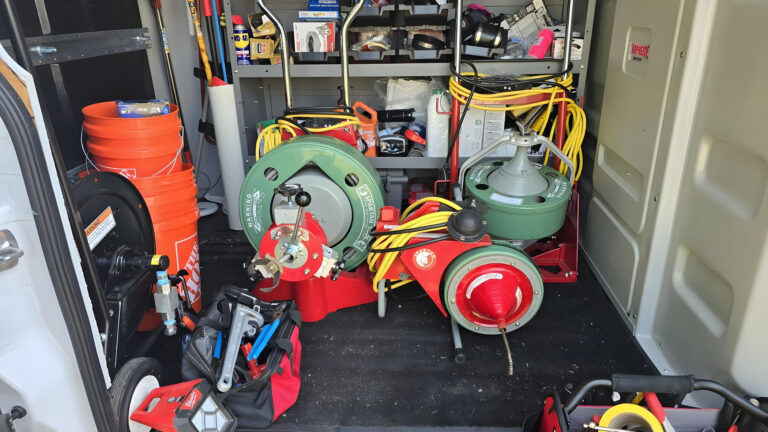
Depending on the blockage, a plumber may use a drain snake, specialized cleaning equipment, or hydro jetting. The correct method depends on the pipe’s condition and the type of obstruction.
Repeated clogs should not automatically be treated as ordinary drain problems. They may indicate a deeper blockage, damaged pipe, or issue in the main sewer line.
Sump Pump Installation and Repair
Homes with basements or areas vulnerable to groundwater may use a sump pump to help manage water accumulation.
A sump pump collects water in a designated basin and pumps it away from the house. When it stops working, water can accumulate around the foundation or enter the basement.
Common sump pump problems include electrical failures, damaged float switches, clogged discharge lines, and worn-out pump components.
Regular inspection is important, especially before periods of heavy rainfall. Homeowners should also make sure the discharge line is clear and directs water away from the property.
Water Filtration and Water Softening
Water quality is another part of residential plumbing.
Water filtration systems are designed to reduce specific contaminants or unwanted substances, depending on the equipment and its certified capabilities. Water softeners, on the other hand, are generally used to reduce hardness minerals such as calcium and magnesium.
These systems can be installed at the point where water enters the house or at individual fixtures, depending on the household’s needs.
Choosing the right equipment requires understanding the property’s water quality. A water test can help determine whether filtration, softening, or another treatment method is appropriate.
Why Is Residential Plumbing Important?
Residential plumbing affects sanitation, water availability, property protection, and everyday household activities.
A properly functioning system provides clean water for drinking, cooking, cleaning, bathing, and laundry. It also removes wastewater through drainage pipes, reducing the risk of unsanitary conditions inside the home.
There are several reasons homeowners should take plumbing maintenance seriously.
Protecting the home from water damage
Even a small leak can damage drywall, cabinets, flooring, insulation, and other building materials when left untreated. A leaking pipe inside a wall can be particularly difficult to notice until the damage becomes visible.
Maintaining proper water pressure
Low water pressure can make showers, faucets, and household appliances difficult to use. It may result from leaks, mineral buildup, damaged pipes, or problems with the water supply.
Preventing drainage and sewer problems
Blocked drainage pipes can cause wastewater to move slowly or back up into sinks, showers, and toilets. Sewer backups are particularly concerning because they can introduce contaminated wastewater into living spaces.
Supporting household sanitation
Drainage and venting systems must work correctly to remove wastewater and prevent sewer gases from entering the home.
Reducing unnecessary repair costs
Finding and correcting plumbing problems early can help prevent more extensive repairs. Replacing a damaged pipe connection is usually less disruptive than repairing a large section of water-damaged flooring or a wall.
What Are the Most Common Residential Plumbing Problems?
Most homeowners will experience at least one plumbing problem during the time they live in a property. Some are related to normal wear and tear, while others result from poor installation, improper use, or aging pipes.
The following are common issues worth recognizing.
Leaking Faucets and Pipes
Dripping faucets often result from worn washers, cartridges, seals, or internal components. Pipe leaks may come from loose fittings, corrosion, physical damage, or excessive water pressure.
Although a small leak may not seem urgent, continuous dripping can waste water and cause damage around the affected area.
Clogged Toilets
Toilets can become clogged when too much toilet paper or inappropriate materials are flushed.
Products such as wipes, paper towels, sanitary products, and other non-flushable materials can create blockages even when their packaging claims they are flushable.
A plunger may resolve a simple toilet clog. However, repeated blockages or multiple fixtures backing up may indicate a problem farther down the drainage system.
Slow Kitchen and Bathroom Drains
Slow drains are often caused by accumulated grease, hair, soap residue, food particles, and other debris.
Chemical drain cleaners are not always the best solution. Repeated use of harsh products may damage certain plumbing materials, and they do not correct underlying problems such as damaged or improperly installed pipes.
Professional drain cleaning can address stubborn blockages more effectively.
Low Water Pressure
Low pressure may affect one fixture or several areas throughout the house.
A problem limited to one faucet may involve an aerator or fixture valve. If multiple fixtures experience low pressure, the cause could involve a supply line, pressure regulator, leak, or another system-wide issue.
The source should be identified before replacing plumbing components unnecessarily.
Burst or Damaged Pipes
Pipes can burst because of freezing temperatures, corrosion, excessive water pressure, or physical damage.
A burst pipe can release a significant amount of water in a short period. If this happens, homeowners should shut off the main water supply if it is safe to do so and contact an emergency plumber.
When Should You Schedule Residential Plumbing Services?
Homeowners should not wait until a plumbing system completely stops working before arranging an inspection or repair.
Certain warning signs indicate that professional attention may be needed.
Consider scheduling residential plumbing services if you notice:
- Repeated leaks around faucets, toilets, or exposed pipes.
- Water pressure that suddenly becomes weak.
- Drains that remain slow after basic cleaning.
- Gurgling noises from sinks, showers, or toilets.
- Unpleasant sewer odors inside the house.
- Water stains or damp areas on walls and ceilings.
- An unexplained increase in your monthly water bill.
- A water heater that produces inconsistent hot water.
- Repeated toilet clogs or wastewater backups.
A professional plumbing inspection can help identify problems that are not immediately visible.
Crest Plumbing recommends that homeowners consider a professional plumbing inspection once a year. This can help identify hidden leaks, assess the condition of plumbing components, and catch developing issues before they become more expensive repairs.
However, an annual inspection should not replace immediate service when a serious problem appears.
How Is Residential Plumbing Installed or Repaired?
The process depends on the type of plumbing work required. Installing a new faucet is very different from replacing an underground water line or repiping an entire house.
However, most professional residential plumbing projects follow a similar process.
Step 1: Inspect the Plumbing Problem
The plumber begins by examining the affected fixture, pipe, appliance, or drainage area.
For more complicated issues, the inspection may involve checking water pressure, examining exposed pipe connections, or using specialized diagnostic equipment.
For sewer and drainage problems, a camera inspection may be used to look inside the pipe and identify blockages, cracks, or structural damage.
Step 2: Identify the Cause
The plumber determines whether the issue comes from a fixture, pipe connection, water supply line, drainage system, or another plumbing component.
This step matters because treating the visible symptom without correcting the underlying problem can lead to repeated repairs.
For example, clearing a clogged drain may temporarily restore water flow, but recurring blockages could indicate a damaged pipe or an obstruction farther down the system.
Step 3: Recommend the Appropriate Repair
Once the cause is identified, the plumber explains the available repair options.
Depending on the situation, the work may involve cleaning a drain, replacing a valve, repairing a pipe, installing a new fixture, or replacing damaged sections of the plumbing system.
The recommended solution should consider the condition of the existing plumbing, the property’s requirements, and applicable local codes.
Step 4: Complete the Repair or Installation
The plumber performs the necessary work using appropriate tools, materials, and installation methods.
This may include shutting off the water supply, removing damaged components, installing replacement parts, reconnecting pipes, and securing all fittings.
More extensive projects may require access through walls, floors, or outdoor areas.
Step 5: Test the Plumbing System
After completing the work, the plumber checks the affected components to confirm they are operating correctly.
This can include checking for leaks, testing water pressure, running fixtures, and confirming that wastewater drains properly.
Testing is important. A repair is not complete simply because the damaged component has been replaced.
Common Residential Plumbing Mistakes Homeowners Should Avoid
Some plumbing problems become worse because homeowners use the wrong repair methods or ignore early warning signs.
Here are several mistakes to avoid.
Using too much chemical drain cleaner
Chemical cleaners may help with certain minor blockages, but they are not suitable for every type of clog or pipe material. They can also create safety risks if mixed with other cleaning products.
Ignoring small leaks
A dripping faucet or damp pipe connection may seem minor. However, continuous leakage can damage surrounding materials and increase water consumption.
Flushing inappropriate materials
Toilets should not be used to dispose of wipes, paper towels, cooking grease, or household waste. These materials can contribute to blockages.
Attempting complicated pipe repairs without experience
Incorrect pipe connections, unsuitable materials, and poor installation methods can cause leaks and water pressure problems. Plumbing work that requires changes to the system should be handled by a qualified professional.
Ignoring recurring clogs
A drain that becomes blocked every few weeks may have a deeper problem. Repeatedly clearing the same obstruction without investigating the cause can delay the correct repair.
Forgetting the main water shutoff valve
Homeowners should know where their main water shutoff valve is located. During a burst pipe or major leak, shutting off the water supply can help limit additional damage.
What Happens If Residential Plumbing Is Not Maintained Properly?
Neglecting plumbing maintenance can lead to problems that affect both the property and the people living inside it.
A small leak may eventually damage flooring, cabinets, drywall, and insulation. Persistent moisture can also encourage mold growth, particularly in enclosed spaces with limited ventilation.
Drainage problems can become more serious when blockages are ignored. Wastewater may back up into sinks, bathtubs, showers, or toilets, creating sanitation concerns and requiring more extensive cleaning and repairs.
Damaged supply pipes can also affect water pressure and water quality. In some cases, homeowners may need sections of their plumbing replaced instead of receiving a simple repair.
Water heater problems can lead to inconsistent hot water, equipment damage, and leaks around the unit.
The cost of neglect is not limited to the plumbing itself. Water damage can affect multiple areas of a property, which is why identifying problems early is important.
Residential Plumbing Services in Barnegat, NJ
Homeowners in Barnegat, NJ, and surrounding Ocean County communities need residential plumbing systems that can handle everyday household use. From water heater problems and leaking pipes to clogged drains and sump pump failures, different issues require different repair approaches.
Crest Plumbing provides residential plumbing services for homeowners throughout Barnegat and nearby communities, including Waretown, Manahawkin, Stafford Township, Beach Haven, Toms River, Long Beach Island, Forked River, Little Egg Harbor, Ship Bottom, and Surf City.
Its residential plumbing services include fixture installation and repair, water heater services, pipe repair and repiping, water filtration and softening, sump pump installation and repair, and leak detection.
The company also provides sewer and drain services, including professional drain cleaning, sewer camera inspections, and pipe repair. For urgent situations such as burst pipes, major leaks, or overflowing toilets, 24/7 emergency plumbing services are available.
Working with licensed and insured plumbing professionals is important because residential plumbing work must be completed safely and in accordance with applicable requirements. Proper diagnosis, suitable materials, and correct installation methods all contribute to a reliable plumbing system.
Why Understanding Your Home’s Plumbing System Helps Prevent Costly Repairs
Residential plumbing includes every major system responsible for supplying water, delivering hot water, and removing wastewater from a home. It covers much more than faucets and toilets. Water heaters, drainage pipes, supply lines, sump pumps, filtration equipment, and sewer connections are also important parts of a home’s plumbing system.
Understanding these components makes it easier to recognize warning signs and know when professional repairs are necessary.
Homeowners should pay attention to recurring clogs, unexplained water bills, low water pressure, damp areas, and unusual plumbing noises. These problems may indicate an issue that needs further inspection.
For homeowners in Barnegat, NJ, and across Ocean County, Crest Plumbing provides residential plumbing, repair, maintenance, and emergency services to help keep household plumbing systems working properly. Addressing problems early and scheduling regular inspections can help protect the home and reduce the risk of unexpected plumbing repairs.